%20WHITE.png)

11 Major Artists You Never Realized Are Independent


The music industry has spent decades convincing artists that signing to a major label is the ultimate destination. But in 2026, that narrative is looking more outdated than ever.
Streaming, social media, direct-to-fan platforms, and artist-services companies have fundamentally changed the game. Today, some of the biggest names in music have built, or reclaimed, their careers outside the traditional major-label system, proving that global success no longer requires handing over ownership or creative control.
Some have never signed to a major label. Others walked away from blockbuster record deals to launch their own companies, buy back their catalogs, or partner with independent distributors instead. What unites them is one simple idea: ownership.
Here are 11 major artists proving independent doesn't mean small.
Bad Bunny
Despite becoming one of the biggest artists on the planet, Bad Bunny has never signed a traditional major-label recording deal. Instead, he releases music through Puerto Rico's independent powerhouse Rimas Entertainment.
That decision has allowed him to dominate global charts while maintaining significant creative control over his music, image, and career. With billions of streams, sold-out stadium tours, and record-breaking albums, Bad Bunny has become one of the strongest examples that independent infrastructure can compete with—and often outperform—the traditional major-label system.
Megan Thee Stallion

After a lengthy and highly publicized legal battle with her former label, Megan Thee Stallion emerged stronger than ever by taking ownership of her future.
Through her own company, Hot Girl Productions, she now releases music with distribution support rather than relying on a conventional label deal. The move gives her greater control over her masters, release strategy, and creative direction while continuing to perform at the highest level of mainstream success.
Mac DeMarco

Mac DeMarco has spent more than a decade building one of indie music's most loyal fanbases.
After establishing himself through Captured Tracks, he launched Mac's Record Label, allowing him to own his recordings and release music entirely on his own terms. Despite operating independently, DeMarco continues to sell out international tours while remaining one of alternative music's most influential artists.
Laufey

Few artists have risen faster than Laufey. Rather than following the traditional major-label route, the Grammy-winning singer-songwriter partnered with AWAL, an artist-services company designed to give musicians greater ownership while providing marketing and distribution support.
The model has helped Laufey earn billions of streams, Grammy recognition, and worldwide acclaim without sacrificing control of her career.
The 1975

The 1975 have become one of the world's biggest arena acts while remaining with Dirty Hit, one of the UK's most successful independent record labels.
Their long-standing relationship with the label has allowed the band to evolve creatively without outside interference, proving that independent labels can compete globally while still putting artists first.
Arctic Monkeys

Since exploding onto the scene with Whatever People Say I Am, That's What I'm Not in 2006, Arctic Monkeys have remained with Domino Recording Company.
The band has earned multiple No. 1 albums, headlined the world's biggest festivals, and sold millions of records without ever leaving the independent label that helped launch their career. It's one of the most successful artist-label partnerships in modern rock history.
Phoebe Bridgers

Phoebe Bridgers has become one of the defining singer-songwriters of her generation through an artist-first approach.
After releasing music through independent label Dead Oceans, she expanded her influence by launching Saddest Factory Records, where she's helping develop the next wave of independent talent while continuing to shape her own career on her own terms.
Franz Ferdinand

When "Take Me Out" exploded in the early 2000s, Franz Ferdinand quickly became one of rock's biggest bands.
What many fans still don't realize is that they've remained with Domino Recording Company throughout their entire career. That long-term partnership has produced multiple platinum albums, Grammy nominations, and decades of international touring, all without joining a traditional major label.
Chance the Rapper

Long before artist ownership became a mainstream conversation, Chance the Rapper was proving it could work.
By refusing traditional record deals and releasing his music independently, he became the first streaming-exclusive artist to win a Grammy. His success fundamentally changed industry conversations around whether artists still needed major labels to reach the highest level.
Zara Larsson

After spending more than a decade with Epic Records, Zara Larsson made one of the biggest career moves of her life by choosing independence.
She launched her own label, Sommer House, and regained ownership of her catalog, giving herself greater creative freedom and long-term control over her music as she enters a new chapter of her career.
Russ
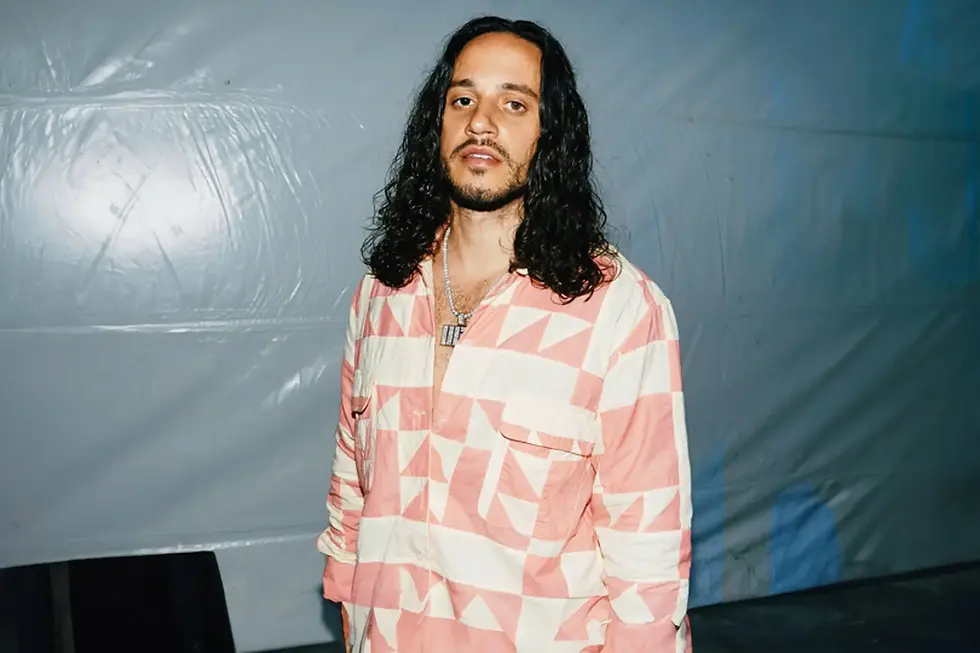
Few artists have championed independence more passionately than Russ. By writing, producing, mixing, mastering, and releasing his own music, he built one of hip-hop's biggest independent careers before partnering with distribution on his own terms. Along the way, he accumulated billions of streams, platinum records, sold-out tours, and became one of the industry's loudest advocates for artist ownership.
Independent Is No Longer the Alternative
For decades, independence was viewed as a stepping stone toward signing a major label deal. Today, for many artists, it's the destination.
Whether it's Bad Bunny filling stadiums, Megan Thee Stallion taking back control, Arctic Monkeys staying loyal to Domino, or Russ building an empire from the ground up, these artists demonstrate that ownership and global success are no longer mutually exclusive.
The modern music business isn't defined by who signs you.
It's increasingly defined by what you own.


