%20WHITE.png)

15 Iconic Rappers Who Changed the Game


Hip-hop has never been just music. It’s rhythmic journalism, street-level poetry, protest, confession, and cultural documentation happening in real time. Long before social media or 24-hour news cycles, rap was reporting from the ground, translating lived experience into bars, beats, and voices that refused to be ignored. It told the truth when no one else wanted to listen, and it did it loudly, creatively, and without asking for approval.
Over the decades, hip-hop grew from a local movement into a global force that reshaped how we talk, dress, move, think, and push back. It influenced fashion before fashion houses caught on. It shaped slang before dictionaries could keep up. It turned personal struggle into collective language and made survival sound like art. Rap didn’t just reflect culture, it actively built it, challenged it, and rewrote its rules.
So when people argue about the best rappers in the world or the greatest rappers of all time, they’re not really debating streams, awards, or chart positions. They’re asking something deeper: who actually changed the game? Who shifted the sound, the mindset, the message? Who left fingerprints on the genre that are still visible decades later?
This isn’t a nostalgia contest or a numbers game. It’s about impact, innovation, and legacy, the artists who expanded what hip-hop could say, who it could reach, and what it could stand for. The ones who didn’t just make hits, but made history.
Grandmaster Flash

You can’t even start the conversation without Grandmaster Flash. Full stop. Before hip-hop was a billion-dollar industry, Flash was in the lab figuring out how to bend turntables into instruments. His DJ techniques didn’t just level up production; they rewired how music could be constructed. And then there’s “The Message,” a track that proved rap could be socially conscious, uncomfortable, and brutally honest without sacrificing groove.
What made Flash legendary wasn’t just the technical skill; it was the intention. While a lot of early music leaned escapist, he zoomed in on the reality of urban life and refused to soften it. Poverty, pressure, survival, systemic neglect, it was all there. That decision cracked the door open for rap to become a vehicle for social commentary, not just party records. That influence still echoes through modern hip-hop, whether artists realize it or not.
With Grandmaster Flash and the Furious Five, storytelling stopped being optional. They made authenticity the standard and proved that real stories hit harder than surface-level flexing. Today’s rappers who prioritize truth, perspective, and lived experience are walking a path Flash helped carve. Love him or not, if you’re talking about the greatest rappers of all time, ignoring his legacy means you’re missing the foundation entirely.
Run-D.M.C.

Before hip-hop had a seat at the mainstream table, Run-D.M.C. kicked the door down. They didn’t ask for permission. They didn’t soften the sound. They fused rap and rock when that move was borderline illegal, and “Walk This Way” with Aerosmith didn’t just cross genres, it detonated the walls between them. That collaboration permanently expanded hip-hop’s audience and made genre-blending a power move instead of a risk.
And let’s be real, the music was only half the takeover. Run-D.M.C. changed how rappers looked. No flashy costumes, no disco leftovers. Adidas shell toes, street fits, wide-brim hats. They made authenticity the uniform. That aesthetic still echoes through hip-hop and streetwear today, from runway collections to everyday fits.
If we’re talking top 10 best rappers of all time, Run-D.M.C.’s legacy isn’t debatable. They proved hip-hop could dominate culture, not just survive inside it.
LL Cool J

LL Cool J was one of the first rappers to crack the code on crossover success without losing credibility. He could drop something soft and vulnerable like “I Need Love,” then swing back with full aggression on “Mama Said Knock You Out.” That range mattered. It showed rap didn’t have to live in one emotional lane.
Beyond the booth, LL played the long game. Acting, fashion, business, he understood early that rap careers don’t have to end at the charts. Today’s artist-entrepreneurs are basically following the map he drew decades ago. Longevity in hip-hop isn’t accidental. LL Cool J earned his status by evolving without erasing himself.
The Golden Age: 1990s Titans

Tupac Shakur
Any serious conversation about the best rapper of all time eventually circles back to Tupac, and not because of myth, martyrdom, or nostalgia. It’s because of the range. Emotional, ideological, and human range. Tupac could be confrontational, poetic, paranoid, reflective, and deeply tender, sometimes all within the same verse.
He didn’t compartmentalize feelings; he let them collide. Albums like All Eyez on Me and Me Against the World didn’t just soundtrack the '90s, they documented its chaos, its pain, and its contradictions in real time.
What made Tupac essential was that he refused to be clean or comfortable. He forced hip-hop to sit with opposing truths: activist and antagonist, prophet and product of his environment, softness and rage existing side by side. He spoke for the marginalized while wrestling publicly with his own flaws, which made his music feel urgent instead of polished.
That complexity is why his influence hasn’t faded. Tupac normalized emotional vulnerability long before it was marketable. Today’s artists who speak openly about trauma, identity, and internal conflict are standing on ground he helped break open. His legacy isn’t just in what he said, it’s in the permission he gave rap to feel everything at once.
The Notorious B.I.G.

Biggie didn’t yell for attention; he pulled you in. His delivery was calm, conversational, and almost effortless, which somehow made every bar hit harder. He narrated Brooklyn life with cinematic clarity, turning everyday moments into scenes you could see, feel, and replay in your head. His storytelling wasn’t rushed or flashy; it was precise, confident, and lethal in its honesty.
“Juicy” and “Big Poppa” are still untouchable because they strike a balance most artists never figure out, aspiration without delusion, realism without misery. Biggie made success feel earned, not fantasized, and struggle feel observed, not exploited. His charisma lived in the details: the pacing, the pauses, the way he let stories breathe instead of forcing punchlines.
Even with a career cut brutally short, Biggie permanently reshaped East Coast rap. He set a storytelling standard that artists are still chasing decades later, proving that flow, narrative, and presence matter as much as lyricism. Longevity isn’t always measured in years; sometimes it’s measured in influence, and Biggie’s influence is still loud.
Nas

Illmatic didn’t just raise the bar; it picked it up and moved it somewhere most rappers still haven’t reached. Nas entered the game with a level of precision, introspection, and lyrical discipline that forced everyone else to recalibrate their standards. His storytelling was cinematic but restrained, vivid without being flashy, emotional without slipping into melodrama. Every verse felt intentional, every detail placed with care, like he was documenting life rather than performing it.
What separates Nas from many of his peers is longevity with integrity. Across decades, he proved that growth doesn’t have to mean dilution. He evolved sonically and thematically while protecting hip-hop’s core values: lyricism, truth, and perspective. In an industry that often rewards reinvention at the expense of substance, Nas remained grounded, thoughtful, and razor-sharp. That consistency is why he’s not just admired, but respected, as one of the greatest lyricists of all time.
Modern Innovators: 2000s and Beyond
Jay-Z

Jay-Z isn’t just successful, he’s instructional. He’s the blueprint for turning rap into an empire without losing credibility. Bars, business, branding, he mastered all three and made them coexist. Tracks like “99 Problems” show razor-sharp lyrical control, while “Empire State of Mind” feels like a cultural monument. He knew how to make records that hit the streets and the world stage, without talking down to either.
But Jay’s biggest contribution isn’t a song, it’s a mindset. He normalized ambition in hip-hop. Before him, openly chasing wealth, ownership, and long-term power was often framed as selling out or betraying the culture. Jay flipped that narrative. He made it clear that building generational wealth, owning your masters, and thinking beyond the next album wasn’t corny; it was actually necessary.
More than a rapper, Jay-Z became a case study in evolution. He showed that you could grow louder in influence while getting quieter in your need to prove anything. His legacy lives not just in his catalog, but in the countless artists who now see rap as a launchpad, not a finish line.
Eminem
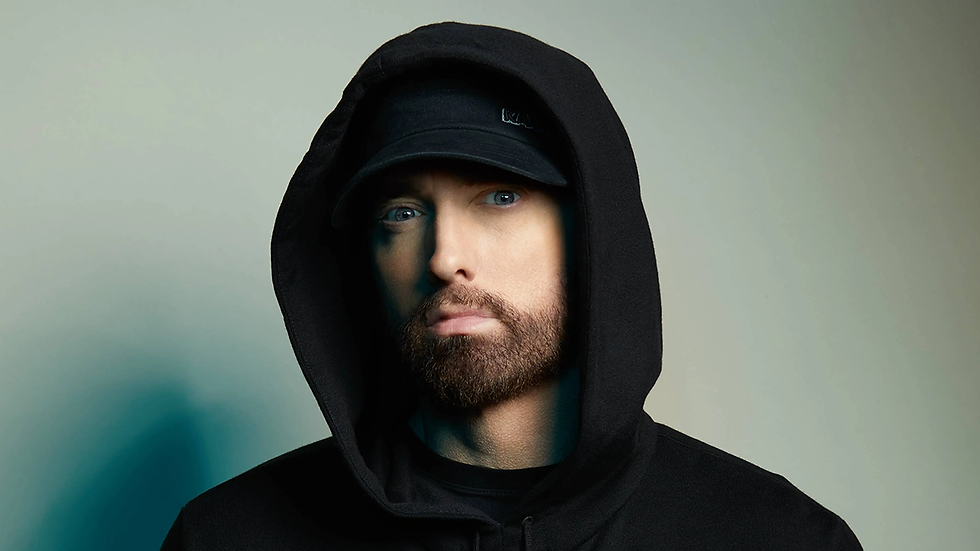
Eminem’s technical ability isn’t up for debate; it’s surgical. His speed, internal rhyme schemes, breath control, and structural precision reset the ceiling for lyrical complexity in mainstream rap. Albums like The Marshall Mathers LP didn’t just push buttons; they smashed them. He forced listeners to sit with discomfort, hypocrisy, rage, and dark humor all at once, whether they were ready or not. His music wasn’t designed to be easy; it was designed to be felt.
What separates Eminem from imitation is intention. The shock value was never empty; it was a delivery system for storytelling, trauma, and self-examination. He weaponized language to expose insecurity, addiction, family dysfunction, and societal double standards, all while maintaining elite technical control. That balance influenced an entire generation of rappers who realized lyricism could be both raw and mathematically precise.
He also shattered stereotypes simply by existing at the highest level in a genre that was never built for him, while consistently acknowledging that hip-hop is rooted in Black culture and history. Eminem didn’t try to rewrite those origins or claim ownership; he studied them, respected them, and earned his place through skill. Love him or hate him, his impact is locked in. You can trace modern lyrical rap’s obsession with complexity straight back to him, and that influence isn’t going anywhere.
Kendrick Lamar

Kendrick Lamar didn’t just evolve rap; he raised the bar so high it made the rest of the genre uncomfortable. Albums like To Pimp a Butterfly and DAMN. don’t play in the background; they demand attention. His work treats hip-hop like literature, sociology, and spiritual confession all at once, weaving personal trauma with systemic critique in a way that feels intentional, layered, and unflinchingly honest. Every project feels built, not rushed, like it actually means something beyond streams and rollout cycles.
The Pulitzer Prize wasn’t a fluke or a novelty award; it was overdue recognition that hip-hop can hold the same intellectual and cultural weight as any other art form. Kendrick forced institutions to take rap seriously by refusing to water it down. He proved you can be experimental without being inaccessible, political without being preachy, and successful without chasing trends.
More than anything, Kendrick represents a generation that demands substance without sacrificing sound. His influence shows up in artists who prioritize message, structure, and depth while still caring about how the music hits. He didn’t just give listeners songs; he gave them frameworks, conversations, and a reminder that rap can still challenge, educate, and unsettle in the best way possible.
Lil Wayne

Lil Wayne didn’t just tweak the sound of rap; he rewired its DNA. His unmistakable voice, relentless punchlines, and nonstop work ethic shifted what mainstream hip-hop valued.
Before him, bars were often rigid and structured; after him, they became playful, unpredictable, and drenched in personality. Lil Wayne made it cool to sound weird, to bend words until they snapped back differently, to treat the mic like a playground instead of a podium.
The Carter III wasn’t just a commercial peak; it was a cultural pivot. That album influenced cadence, lyricism, and confidence across an entire generation of rappers. You can hear Wayne’s fingerprints in modern flows, ad-libs, vocal inflections, and the idea that volume and creativity matter just as much as polish. It redefined what a rap superstar could sound like without sanding down originality.
And Wayne’s impact didn’t stop with his own catalog. Through Young Money Entertainment, he became an architect of the next era, launching careers that now dominate charts, playlists, and pop culture at large. By betting on raw talent and individuality, Wayne didn’t just stay relevant; he multiplied his influence. His legacy lives on not only in his music but in the artists who carry pieces of his style forward, knowingly or not.
Drake

Drake mastered emotional accessibility in a way few rappers ever have. By blending rap with R&B, vulnerability with bravado, he turned introspection into chart dominance. He made it acceptable, even profitable, for rap to sound unsure, heartbroken, reflective, and soft without losing mainstream appeal. His music feels diaristic, like late-night thoughts turned into hooks, which is exactly why it connects so easily and so widely.
Scorpion marked Drake’s commercial peak, turning emotional introspection into full-scale chart domination. Packed with era-defining hits like “God’s Plan” and “In My Feelings,” it proved vulnerability could rule the streaming era without sacrificing mass appeal.
Love him or side-eye him, his consistency is undeniable. Drake doesn’t just follow the moment; he becomes it. His cultural pull keeps him permanently at the center of hip-hop conversations, whether people are praising him, critiquing him, or arguing about him online. That level of relevance isn’t accidental; it’s the result of understanding audience emotion as well as sound. And in an era where attention is currency, Drake has mastered both.
J. Cole
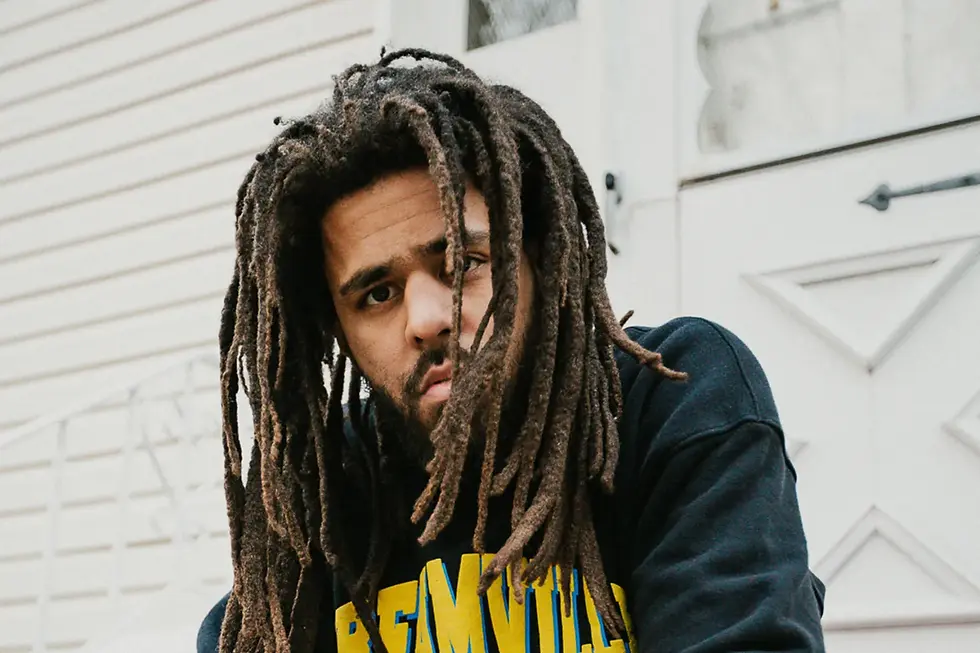
J. Cole built his career on honesty at a time when rememberability often mattered more than meaning. No gimmicks, no exaggerated personas, no overproduction masking weak ideas, just lived experience, sharp storytelling, and a willingness to say the quiet parts out loud. His music feels grounded because it is grounded, rooted in observation, self-reflection, and moral tension rather than spectacle.
Albums like 2014 Forest Hills Drive proved something the industry kept doubting: introspection can still sell out arenas. Cole showed that you don’t need viral hooks or controversy cycles to build a massive audience; you need clarity, consistency, and trust with your listeners. His success revalidated substance in mainstream rap and made space for artists who care more about message than moment.
Female Powerhouses in Rap
Lauryn Hill

One album. That’s it. And somehow it still outshines entire multi-decade discographies. The Miseducation of Lauryn Hill didn’t just blur genre lines between hip-hop, R&B, soul, and reggae; it emotionally rewired them. Lauryn Hill brought vulnerability, spirituality, rage, softness, and sharp social commentary into the same space without diluting any of it. She proved that rap could be deeply feminine, deeply political, and deeply personal all at once. To this day, artists across hip-hop and R&B are still borrowing her blueprint, whether they admit it or not. Influence like that doesn’t expire.
Missy Elliott

Missy Elliott is innovation without a pause button. Sonically, visually, culturally, she was always five steps ahead while everyone else was still catching up. Her music videos didn’t follow trends; they invented them. Her production bent genre rules, her delivery was playful but precise, and her confidence never relied on conventional industry standards.
Releases like Supa Dupa Fly and Under Construction didn’t just produce hits; they reshaped what hip-hop could sound and look like. Missy made space for creativity without compromise, especially for women who didn’t fit the mold, and her influence still echoes across pop, rap, and visual culture today.