%20WHITE.png)

Ali Mills Explores Love on the Edge in “Mercury Rising”

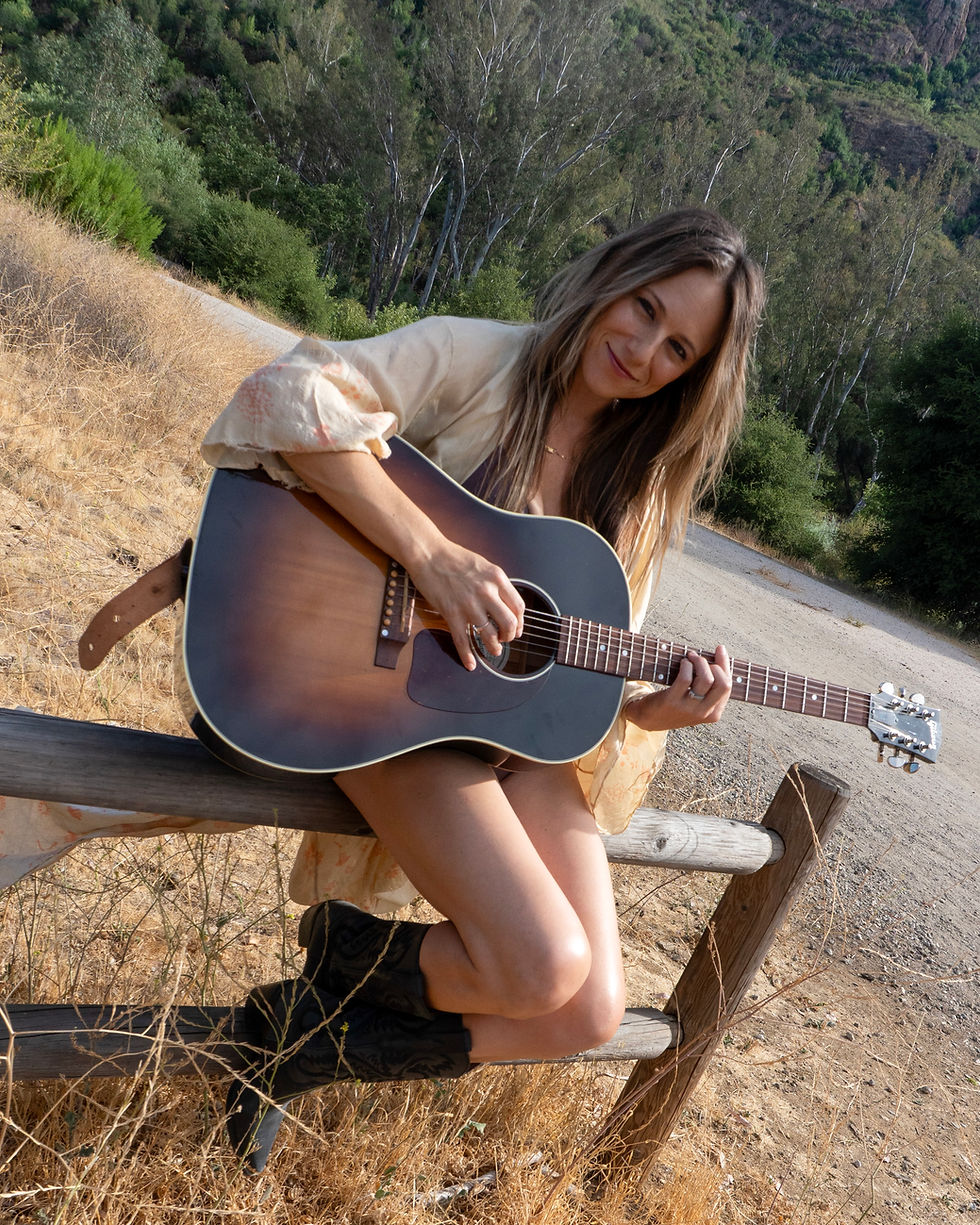
Southern California singer-songwriter Ali Mills brings emotional tension and cinematic storytelling together on “Mercury Rising,” a standout track from her 2026 debut solo album, released through independent label Dog + King Records.
Rooted in indie rock and Americana, “Mercury Rising” examines the complicated reality of a relationship that has continued long past its expiration date. Rather than presenting heartbreak as a clean departure, Ali Mills explores the uncomfortable territory between wanting to leave and finding reasons to stay.
The song unfolds through moments of confrontation, suspicion, silence, and emotional distance. Its central metaphor, a steadily rising temperature, captures the pressure building between two people who remain deeply connected despite their increasingly fractured relationship.
Ali Mills approaches the subject with a songwriting sensibility that draws from folk traditions while embracing the broader arrangements of contemporary alternative rock. The result reflects an artist comfortable exploring difficult emotions without forcing them toward an easy resolution.
The accompanying music video takes that tension into the California desert, transforming the song's emotional landscape into a visually striking relationship drama. Directed by Neil Cabana and filmed primarily in Joshua Tree, the video features Ali Mills and Neil Cabana portraying a couple navigating attraction, distrust, and mounting frustration. A colorful retro home, expansive desert highways, and a vintage 1970s El Camino establish an atmosphere influenced by classic California cinema.
With “Mercury Rising,” Ali Mills demonstrates that some of the most compelling relationship stories aren't about falling in or out of love, but recognizing when love alone may no longer be enough.
“Mercury Rising” explores the difficult space between wanting to leave a relationship and feeling unable to let go. What inspired you to write about that emotional contradiction, and how much of the story comes from personal experience?
When I started writing the song, the melody and words “Mercury Rising” came to me without much prompting or searching. Similar to how you get a song in your head and can’t stop humming it, I kept humming what later became the chorus of “Mercury Rising”. I later returned to those lyrics to interpret what they might mean to me. I imagined an impending breakup, similar to ones I’ve had in my past where two people are clearly through with each other but still hold on to anything they can. The tension is so thick you can cut it with a knife… or watch the mercury on a thermometer as it rises.
The rising temperature serves as a powerful metaphor throughout the song. How did that imagery develop during the writing process, and what did you want it to communicate beyond the relationship itself?
I had this memory of driving down I-15 on my way into Las Vegas, and I would always notice “the world's largest thermometer” while passing through Baker, CA. That thermometer inspired the imagery behind the hook of the song. In some ways, I feel like the metaphor transcends the song in that the feeling that’s associated with the words: “Mercury Rising”, is pretty familiar to most anyone. I think we’ve all experienced tense relationships, or moments that we felt we were forced to make a decision that we didn’t want to make. The metaphor is there to represent tension and conflict.
The music video brings a distinctly cinematic perspective to “Mercury Rising,” particularly through its Joshua Tree setting and 1970s-inspired visuals. How involved were you in developing the concept, and what did the visual interpretation reveal about the song that the lyrics couldn't express alone?
A few years ago, I watched the Netflix series, “Daisy Jones and The Six”. I fell in love with the cinematography, style, and the storyline in the show, which also felt deeply personal to me. I wanted the video to capture some of that nostalgia. The 70s were a decade I wished I got to experience. The song easily fit into the classic rock vibe of the era; in fact, when tracking it in the studio, we made many conscious choices to keep it 70s-inspired, so I went to my Director, Neil Cabana, and he helped me bring that vision to life.
Your debut album, Under The Bougainvillea, moves between the California daydream of “Canyon” and the emotional turbulence of “Mercury Rising.” What connects these contrasting stories, and what do they reveal about where you are creatively today?
The songs on the record were written over the better part of a decade, the oldest from 2013 and the newest in 2024. Many in the height of the pandemic. During that time in my personal life, several big life changes occurred- I got married, moved out of the city (of LA), had three children, and lost my Dad to dementia. The record and its songs represent all of those chapters in that span of time. Having experienced the biggest love(s) of my life, immense loss, and still harboring regret and resentment from my past, these contrasting stories are all connected to the human experience.
As an artist today, I give myself more grace. Grief doesn't go away, and neither do the experiences of my past that occasionally return to haunt me. Allowing myself to step into my creative power and use it for prose has been a cathartic escape for me. I’m deep into writing a second record that revisits some of these themes, but from a fresh perspective.
After years of performing with bands and establishing yourself on the live circuit, you've stepped forward as a solo artist. What has that transition taught you about your creative identity, and what are you willing to explore now that you might have held back from earlier in your career?
I thought I was finished writing music after having kids. The mental load of being a mother, let alone a new mother, was so all-encompassing that I just didn’t have the space for it anymore. It took some years to find my rhythm in that part of my life, but once I did, I felt the urgent need to start writing immediately and pretty much daily. Rediscovering that passion gave me a whole new identity. I no longer felt the need to hide behind bandmates to make my music sound more digestible. I was ready to step forward as a solo artist with a lot to say.