%20WHITE.png)

The End of MTV Music: How the Network That Built Pop Culture Slowly Walked Away From It


There was a time when turning on the TV meant discovering music that could reroute your entire personality. Not because an algorithm guessed correctly, but because a channel with real authority decided something mattered and dared you to pay attention. For decades, that channel was MTV.
MTV didn’t just play music. It explained it. It framed it. It gave songs a visual language and turned artists into cultural landmarks. It taught generations how to dress, how to rebel, how to feel seen. If you wanted to understand what music meant in a specific moment in time, MTV was the translator. Which is why the end of MTV music doesn’t feel like a cancellation. It feels like abandonment.
This wasn’t a sudden collapse or a single bad programming decision. MTV didn’t die in a blaze of irrelevance. It slowly unhooked itself from music, decade by decade, compromise by compromise, until the thing that once defined it became optional. What’s left is a brand that still wears the logo of a cultural giant, but no longer carries its weight.
To understand how we got here, you have to look at the long arc, not the soundbite version.
The 1980s: When MTV Rewired the Music Industry

In the 1980s, MTV didn’t just enter the music business. It reshaped it entirely. Before MTV, music lived on the radio and record shelves primarily. After MTV, music lived on screens, in bedrooms, in fashion choices, in posture, and in attitude. Image became inseparable from sound.
Music videos weren’t marketing tools yet. They were the art form itself. Seeing a song was often the first point of contact, not the follow-up. MTV trained audiences to watch music, not just hear it, and that shift permanently changed how artists were built.
MTV also operated as a cultural gatekeeper with real conviction. That power came with flaws, especially in its early resistance to diversity, but once the walls cracked, the impact was seismic. When MTV fully embraced artists who challenged norms, it didn’t do it quietly. It did it relentlessly. The channel wasn’t neutral. It had taste, and it stood by it.
The 1990s: Peak Authority, Peak Trust

The 1990s were MTV at full confidence. This was the era where music programming didn’t feel like filler between shows. It was the show. Genres collided without apology. Rock, hip hop, pop, metal, alternative, and R&B shared space on the same channel, and MTV trusted its audience to keep up.
This trust mattered. MTV didn’t flatten music into vibes or demographics. It treated genres as cultures, each with its own weight and voice. Shows like MTV Unplugged forced artists to strip away spectacle and stand on songwriting alone, while late-night programming and specialty blocks exposed audiences to scenes they might never have found on their own.
MTV didn’t wait for artists to prove themselves elsewhere. It took risks first. That’s what made it powerful.
The Early 2000s: TRL and the Shift Toward Hype
The early 2000s complicated the relationship between MTV and music. Total Request Live turned fandom into something visible and competitive, and for a while, it worked. Crowds in Times Square screaming for artists created a shared experience that felt electric and communal.
But this era also introduced a subtle shift. Attention spans shortened. Popularity became more quantifiable. Music began to feel like a scoreboard instead of a conversation. TRL didn’t kill MTV music, but it nudged it toward performance over substance, hype over longevity. Music was still central, but the balance was starting to tilt.
The Mid-to-Late 2000s: When Reality TV Took Over
This is the point of no return. Reality television arrived with a business model MTV couldn’t ignore. It was cheaper to produce, easier to scale, and didn’t require licensing music or coordinating artists. From a financial standpoint, it made perfect sense. From a cultural standpoint, it hollowed out the network.
Music programming wasn’t canceled in one dramatic move. It was slowly starved. Pushed to off-hours. Moved to secondary channels. Treated like a legacy feature instead of the foundation. MTV didn’t announce it was leaving music behind. It simply stopped investing in it. Artists noticed. Fans noticed. The channel that once broke careers now waited for artists to prove themselves somewhere else first.
The 2010s: From Tastemaker to Trend Chaser
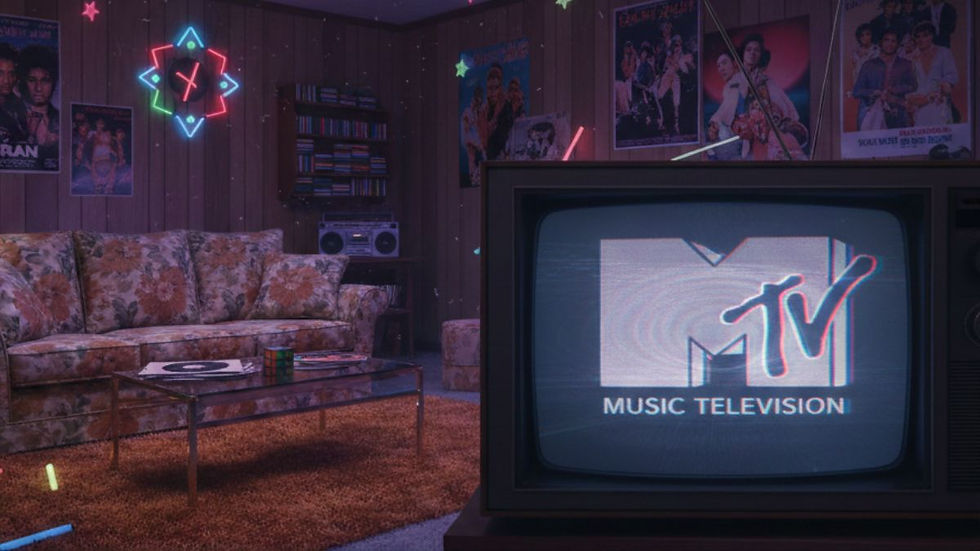
By the 2010s, MTV had fully shifted from cultural leader to cultural follower. YouTube handled distribution. Streaming handled listening. Social media handled discovery. Instead of redefining its role as a curator, MTV chose to chase relevance.
Award shows became factories for viral moments. Performances were engineered for clips, not memory. Musical credibility was quietly replaced by engagement metrics. MTV no longer introduced audiences to what mattered next. It reflected what was already popular and hoped proximity would keep it relevant. Once a tastemaker loses authority, branding can’t save it.
The End of MTV Music: How MTV Finally Signed Off On December 31, 2025
For decades, MTV wasn’t just a TV channel; it was a cultural earthquake. From the first notes of “Video Killed the Radio Star” blasting through living rooms in 1981 to the final chords fading out on December 31, 2025, when MTV Music officially closed its doors, the network’s lifespan reads like a history of modern media itself.
If you grew up watching those fast-cut clips, obsessing over VJs, or debating whether your favorite artist deserved Total Request Live, this feels like the end of an era, because it is. MTV wasn’t perfect, and honestly, it lost its way a few times, but its influence on how we consume and think about music is impossible to ignore.
What We Lost When MTV Walked Away

What disappeared wasn’t just music videos. It was shared discovery. Collective attention. The feeling that music belonged to a moment larger than the listener. Independent artists gained tools, but lost infrastructure. Everything became available, but nothing felt definitive.
This isn’t nostalgia. It’s a case study. MTV didn’t fail because culture moved on. Culture moved on because MTV stopped showing up for it.
When MTV stepped away from music, it didn’t leave behind a single successor. It left fragments. Pieces of the experience are scattered across platforms that each do one job well, but none carry the full responsibility MTV once held.
YouTube became the archive. It preserved the music video as a format but stripped it of context. Videos lived forever, but they no longer lived together. There was no shared schedule, no anticipation, no sense that everyone was watching the same thing at the same time. Discovery became solitary. You didn’t stumble into a video because it aired between two others. You found it because you were already looking.
Streaming platforms took over listening and rewired behavior around convenience. Playlists replaced programming. Algorithms replaced curators. The upside was scale. The downside was meaning. Music became endless and weightless, something you could skip in half a second without consequence. Songs weren’t introduced. They were served.
Social media finished the transformation. TikTok, Instagram, and short-form video didn’t just change how music spreads. They changed what music is rewarded for. Hooks matter more than arcs. Moments matter more than messages. Songs break faster than ever, but they also disappear faster than ever. Virality doesn’t build legacy. It builds spikes.
None of this is inherently bad. Artists have more access, more control, and more tools than ever before. But what disappeared in the process was a centralized cultural editor. A place willing to say this matters, even if it doesn’t yet have numbers to justify it.
MTV once slowed the audience down. It asked for attention, not reaction. Everything that replaced it was optimized for speed.
Why No One Has Filled the Void
The uncomfortable truth is that replacing MTV would require something most platforms are unwilling to offer: restraint. A willingness not to host everything. To not chase every trend. To stand behind choices that might fail. Modern platforms are designed to scale endlessly. MTV was designed to curate tightly. Those philosophies don’t coexist easily.
A true MTV successor would need to accept cultural responsibility over growth metrics. It would need to invest in music without demanding instant returns. It would need to believe that discovery is a shared experience, not a personalized feed. That kind of platform doesn’t fit neatly into today’s tech logic, which is why it hasn’t happened.
When music loses trusted tastemakers, it doesn’t disappear. It fragments. Scenes still exist, but they rarely collide. Artists still build careers, but fewer moments feel collective. Everything becomes niche by default.
For independent artists, this is both freeing and exhausting. You can exist without permission, but you’re also responsible for everything. Discovery, context, narrative, and longevity all fall on the artist’s shoulders now. MTV once absorbed some of that weight. It gave artists a stage and gave audiences a reason to care.
The Real Legacy of MTV Music

The end of MTV music isn’t just a story about television. It’s a warning about what happens when culture is treated as disposable content instead of something worth protecting.
MTV mattered because it believed music deserved attention, framing, and risk.
When it stopped believing that, the culture adapted, but something essential was lost in the transition. Music didn’t need MTV forever. But it did need what MTV represented. And nothing that replaced it has fully stepped up to do the same job.


