%20WHITE.png)

Madam Sutra Turns Internet Backlash Into Fuel on “Call Him Daddy”

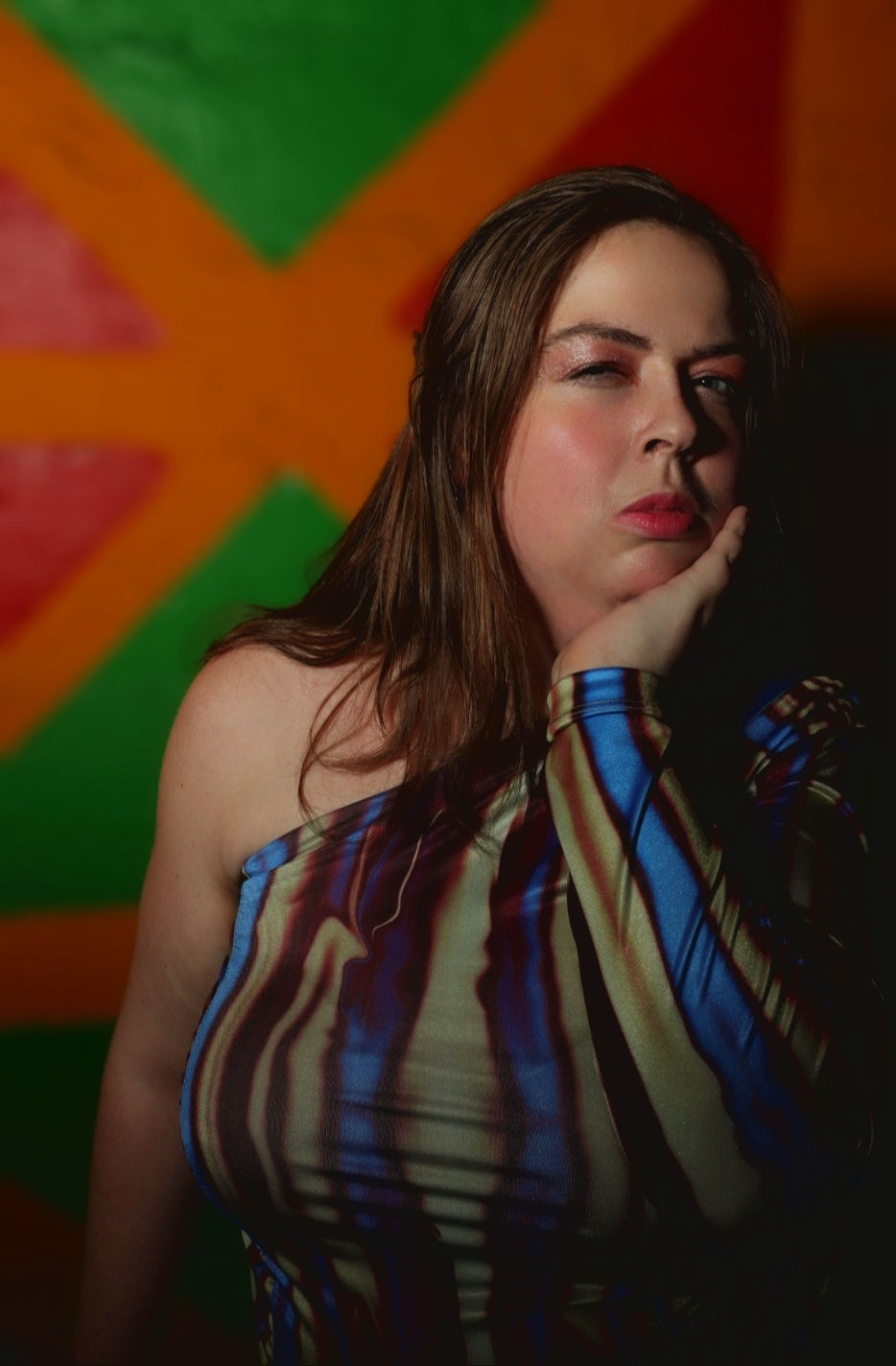
There’s a certain type of artist the internet loves to tear apart before they even get the chance to fully arrive. One viral clip, one awkward moment, one performance people decide to meme for engagement, and suddenly the conversation becomes bigger than the music itself. But what makes artists interesting is what they do after that backlash. Madam Sutra’s new single “Call Him Daddy” feels like the sound of someone refusing to disappear after becoming the target of public criticism.
The New York-based artist leans fully into a darker, nightlife-driven electropop lane here, trading safety for confrontation. “Call Him Daddy” doesn’t try to make itself digestible for everyone, and honestly, that’s part of why it works. The production is hypnotic and cold in all the right ways, pulling influence from underground club culture while still carrying enough pop structure to stay stuck in your head long after the track ends.
Lyrically, the song operates on confidence, seduction, and power dynamics, but underneath the provocative delivery is a deeper sense of reclamation. Madam Sutra’s story matters to the context of this release. After leaving abusive relationships and rebuilding herself in New York City, her music carries the energy of someone actively trying to take ownership of her identity in public, even when the audience isn’t always kind.
What makes “Call Him Daddy” stand out is that it doesn’t feel overly manufactured. A lot of electropop artists chasing edgy aesthetics end up sounding algorithmically assembled. Madam Sutra still sounds rough around the edges in places, but that imperfection actually gives the record personality. You can hear the hunger in it. You can hear someone trying to evolve in real time.
The internet already gave Madam Sutra millions of views during a moment designed to embarrass her. “Call Him Daddy” feels like her response to all of it: louder, more self-aware, and completely unwilling to shrink herself to make strangers comfortable.
After your viral performance received heavy criticism online, was there ever a moment when you questioned continuing music entirely, or did the backlash push you deeper into your artistic identity?
Nope, not questioning that all well-known artists and celebs have moments like that! All artists receive criticism.
“Call Him Daddy” feels provocative on the surface, but underneath it, there’s a strong sense of reclaiming power. How much of this record was inspired by your personal experiences with survival and reinvention?
Growing up, I was never really supported despite trying to find ways to move to Nashville or New York to get studio time as a teenager. When I was in early adulthood, I really had trouble because I eventually got the role of family caretaker that I didn't want. Now I have the freedom to express myself and live how I choose. Live my life for myself, not others.
Moving from West Virginia to New York completely changed your environment and your opportunities. What parts of your personality do you think only existed because of that move?
I became a better person when I moved to New York, more positive and open to new opportunities.
A lot of artists become more cautious after going viral for controversial reasons. Instead, you leaned harder into boldness and individuality. Was that intentional rebellion against public perception?
Yes! I'm living my life for myself and don't care too much about what others think. I mean, I'm grateful for the critics, because they are the ones who made me viral anyway.
Electropop right now can feel extremely polished and manufactured. How do you balance creating something visually and sonically glamorous while still keeping it emotionally real?
When I was writing the lyrics, I wanted to be as genuine, realistic, and detailed as possible. Polished production in the studio and balancing it with powerful real lyrics. The bold contrast overall.


