%20WHITE.png)

Maiden Lane Turns Punk Into Protest on 'BEDOUIN MEDICINE'


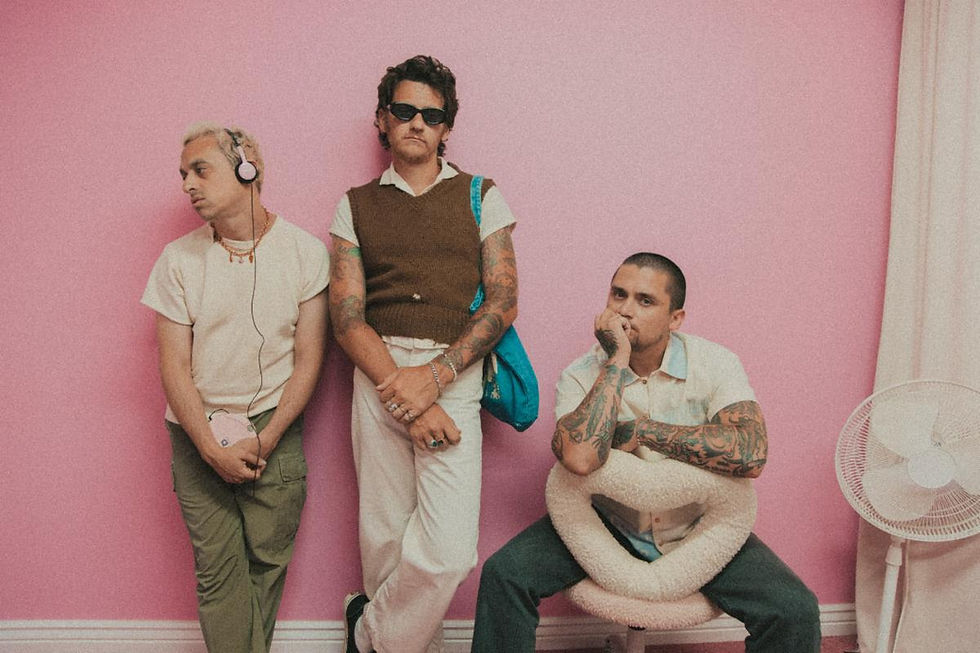
On BEDOUIN MEDICINE, the Ontario two-piece Maiden Lane brings punk back to what it’s supposed to be: uncomfortable, political, and actually rooted in something real. Led by Palestinian frontman Yousif Abusitta, this isn’t just music about frustration. It’s music about erasure, displacement, and the kind of identity crisis that doesn’t go away when the song ends.
From the jump, the album carries a raw, almost unfiltered energy. Tracks like “MY CREEPY DOORBELL” and “ELEVATOR” feel chaotic in a way that works, like they’re barely holding themselves together on purpose. There’s a scrappy, DIY edge throughout the project that makes everything feel immediate. Not perfect, not polished, but honest.
That tension really starts to land on “CHAINED,” where the weight of the album’s themes becomes harder to ignore. You can feel the frustration underneath the instrumentation, but it never turns into something overly theatrical. That’s kind of the point. Maiden Lane doesn’t exaggerate what’s already heavy.
Then there’s “WHEN I’M GONE,” which hits differently. Sonically, it leans almost uplifting, but lyrically, it’s one of the most cutting moments on the album. The line about being remembered carries this quiet accusation, like it’s asking the listener what they’ve actually done with the awareness they claim to have. It’s uncomfortable in a way that lingers.
“OLIVE TREE” stands out as one of the more symbolic tracks, grounding the album in cultural identity while still fitting into the project’s broader sound. It doesn’t feel forced or overly poetic. It just exists as a statement, which makes it hit harder.
What makes BEDOUIN MEDICINE work is that contrast. The music can feel almost loose, even fun at times, while the subject matter is anything but. That push and pull creates a kind of uneasiness that keeps you locked in. You’re not just listening, you’re processing.
And behind all of it is a level of intention that goes beyond the music itself. This isn’t a band using politics as an aesthetic. Maiden Lane has been actively organizing benefit shows, raising real money for Palestinians affected by ongoing violence, including funding prosthetics and mobility devices. That context matters because it proves the message isn’t performative.
Even the way the album was made reflects that same ethos. Written, recorded, and mixed entirely by Abusitta, BEDOUIN MEDICINE leans fully into the DIY spirit. It doesn’t ask for permission, and it doesn’t wait for approval. It just exists because it needs to.
For a band that’s only been around since 2022, Maiden Lane already sounds locked into their identity. Between international shows, community impact, and a growing presence in the Canadian indie scene, they’re not building slowly. They’re building with purpose.
Bedouin Medicine sits in this tension between almost “feel-good” punk energy and extremely heavy subject matter. Was that contrast intentional, or did it naturally come out that way?
The subject matter is so personal to me. I feel like it is always on my mind to some degree, and it comes out naturally in various ways when I’m writing. In this particular song, I thought it was interesting how it came out.
The dynamic between the darker lyrics and brighter music reveals an unserious approach to communicating this message since nothing else seems to be working.
The traditional methods of raising the alarms are shifting, and this song really captures the current mood of the people who feel like the memory of our humanity is drifting from us.
You’re speaking on real-world oppression and identity, not just abstract rebellion. Do you ever feel pressure to represent something bigger than yourselves when you’re writing?
I embrace the pressure. I feel guilt knowing what’s going on and our own complicity in these atrocities. A lot of people think that there isn’t much we can do about these problems because we are so far away from them, but the reality is, we can.
I represent the Palestinians with honor, and through my music, I take the opportunities I have very seriously. I realize there are projects I lead and contribute to that are larger than my band and me.
Our experience doing benefit shows has shown that we as individuals can directly impact the lives of these victims. I feel responsible for being a voice for these issues and all people who face injustices.
“When I’m Gone” feels like it’s quietly calling out the listener. Do you think audiences are ready to actually sit with that kind of accountability, or do they just consume it and move on?
I don’t know. It could be one of those things that hits later in time. I feel like the current landscape of fast consumption prevents a lot of listeners from truly diving into an artist’s creation. I’m just here hoping to make people feel something. If a feeling of accountability comes from someone listening to my song, then that’s cool; it should make people feel uncomfortable. With everything going on, the least we can do is hear the stories of these people.
You’ve been organizing benefit shows and raising real money for people affected by what you’re talking about in the music. Do you think more artists should be expected to take action beyond just releasing songs?
I would obviously love to see more artists taking action to raise awareness or money for these causes. Putting out a song about it or making a video waving the flag can do something, I guess, but in my opinion, the situation is so dire that these people need money most importantly. The way I started looking at it was I need to figure out how I can use what I’m talking about or releasing to help more victims. As much as I do, I still feel like it’s not enough. It’s different for me because I got skin in the game when it comes to the genocide in Gaza. I fear that if we don’t take steps towards more action against these injustices, there will be a collective consciousness depression in the world. I know how beautiful life can be, and right now it isn’t. I can’t sit here enjoying what I have knowing my people are dying back home.
The project is fully DIY, from recording to release. At what point does independence feel empowering versus limiting, and have you hit that line yet?
Recording myself is just where I came from, so for the most part, it definitely is super empowering to hear a mix back on the speakers that you recorded from scratch. I love building and seeing an idea come together. There is definitely a point of limitation, specifically when it comes to recording drums. When I record myself, I use programmed drums to make the beat to my music, and it doesn’t hit the same as when you hear us live, or on our self-titled project, which was recorded professionally live off the floor with a drummer and bass player. I believe there are people who can do certain things better than I, and I love working with those kinds of people because there is no ego involved and it’s just about making the best possible music. On the other side of doing a project DIY, the marketing rollouts for promotion can be more difficult independently. It becomes limiting when you might not always have the funds to allocate to certain aspects of promotional content, tours, etc. It is nice to have a team of creative people who are motivated to elevate your brand and music in every way possible.