%20WHITE.png)

SoundCloud Is Letting Artists Sell Music Directly to Fans With 0% Commission

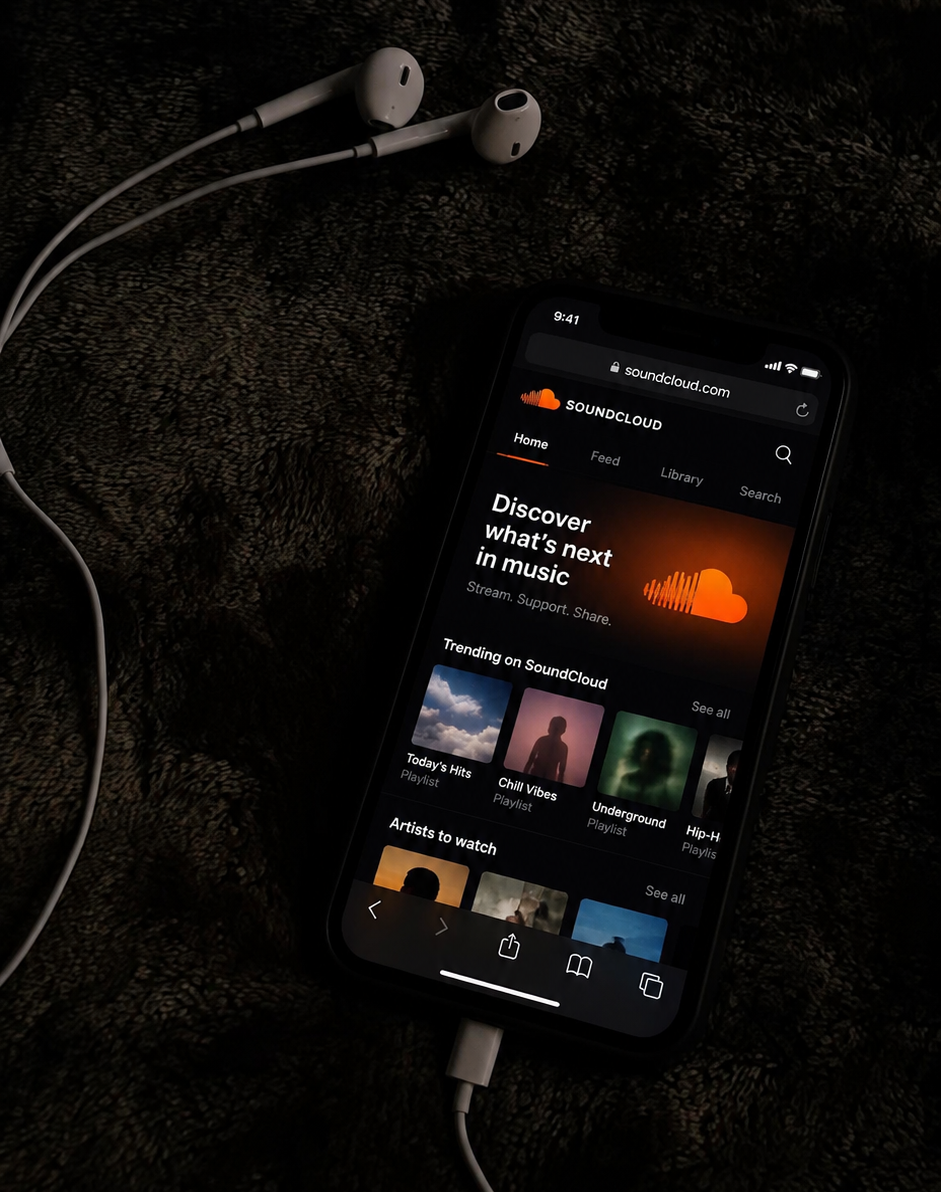
For years, SoundCloud has been one of the internet’s most important places for discovering new music, particularly for independent artists operating outside the traditional label system. Now, the platform is pushing further into direct-to-fan commerce with a new feature that allows artists to sell downloadable music directly from their SoundCloud profiles, keeping the discovery and purchase experience in the same place.
SoundCloud launched the direct music sales feature in beta on August 26, initially opening it to approximately 200 U.S.-based Artist Pro creators with Fan Support enabled. Participating artists can select eligible tracks they want to sell, set their own prices and offer downloadable files in formats such as MP3 and WAV. Fans can then purchase the music directly through SoundCloud instead of being redirected to another storefront.
Perhaps the biggest part of the announcement is SoundCloud’s decision to take zero commission from these music sales during the beta. Artists receive the proceeds from purchases minus applicable payment processing fees and taxes, giving independent musicians another potential source of income beyond streaming royalties.
At a time when artists continue to question how much streaming actually pays, the ability to turn even a relatively small number of dedicated listeners into direct customers could carry significantly more value than simply generating additional plays.
SoundCloud Is Bringing Music Purchases Back to the Platform
SoundCloud already has evidence that its audience is interested in purchasing music. According to the company, more than 250,000 artists have linked over 2.4 million tracks on SoundCloud to external purchasing platforms, while more than half a million users leave the platform each year to buy music elsewhere. Bringing those transactions directly onto SoundCloud removes an extra step between discovering a song and financially supporting the person who made it.
The move also points toward something bigger happening at SoundCloud. Rather than competing solely as another streaming service, the company has steadily been building an ecosystem around independent artists and their most engaged listeners. Artist Pro includes distribution and monetization tools, while SoundCloud has also developed Fan Support, artist storefronts, fan-powered royalties, follower-exclusive releases and options for artists to sell or promote physical products.
Taken together, those features suggest SoundCloud increasingly wants to occupy the entire relationship between an artist and their audience. An independent musician can upload a song, find listeners, build a following, distribute a release to other streaming services, monetize their audience and potentially sell music directly without having to build that entire infrastructure somewhere else. For emerging artists already using SoundCloud as a discovery platform, that could make staying within its ecosystem considerably more attractive.
Why Direct-to-Fan Sales Matter for Independent Artists
The direct-sales feature also arrives as the music industry pays increasing attention to superfans. Streaming made listening incredibly convenient, but it flattened much of music consumption into the same monthly subscription. Whether someone casually plays a song once or listens to an artist every day, the opportunities for that fan to spend directly with the artist can still be limited. Giving listeners the ability to purchase music creates another level of engagement beyond simply following, liking or streaming a track.
For independent musicians, that distinction matters. A single fan purchasing a $5 or $10 release can potentially represent the financial equivalent of a significant number of streams, depending on the platform and royalty structure involved. More importantly, a purchase signals that someone values the artist enough to actively spend money on their work, creating the kind of fan relationship that can later translate into ticket sales, merchandise purchases, physical releases and long-term support.
SoundCloud also occupies an unusual position in this conversation because discovery has always been central to its identity. The platform became synonymous with emerging rappers, electronic producers, DJs, remixes, demos and independent musicians uploading work before much of the traditional music business knew who they were. Adding direct purchases to that environment could make the distance between discovering an unknown artist and financially supporting them considerably shorter.
SoundCloud Is Building More Than a Streaming Service
There are still limitations. The direct music sales feature remains in beta and is not currently available to every SoundCloud artist. Its long-term impact will depend on how widely SoundCloud expands access, how prominently purchasing is integrated into the listening experience and, most importantly, whether listeners actually develop the habit of buying music directly through the platform.
Still, SoundCloud’s broader direction is becoming increasingly clear. The platform appears less interested in winning a straightforward streaming war against Spotify or Apple Music and more interested in becoming infrastructure for independent artists. Discovery remains part of that equation, but distribution, monetization, fan relationships and commerce are becoming equally important.
Streaming changed the industry by making access to music nearly frictionless, but it also created an environment where massive listening numbers do not necessarily translate into meaningful income for emerging musicians. SoundCloud’s latest move suggests the next phase of music platforms could focus less on generating another stream and more on figuring out what happens after someone becomes a fan.
If SoundCloud can successfully connect discovery with direct spending, its biggest advantage may ultimately be something it has had all along: an audience that goes there specifically looking for artists they have not discovered yet. Now, the platform is building a business model around giving those listeners more ways to support the artists they find.


