%20WHITE.png)

Stephen White Finds the Hardest Kind of “Hope” in Knowing When You Don’t Belong


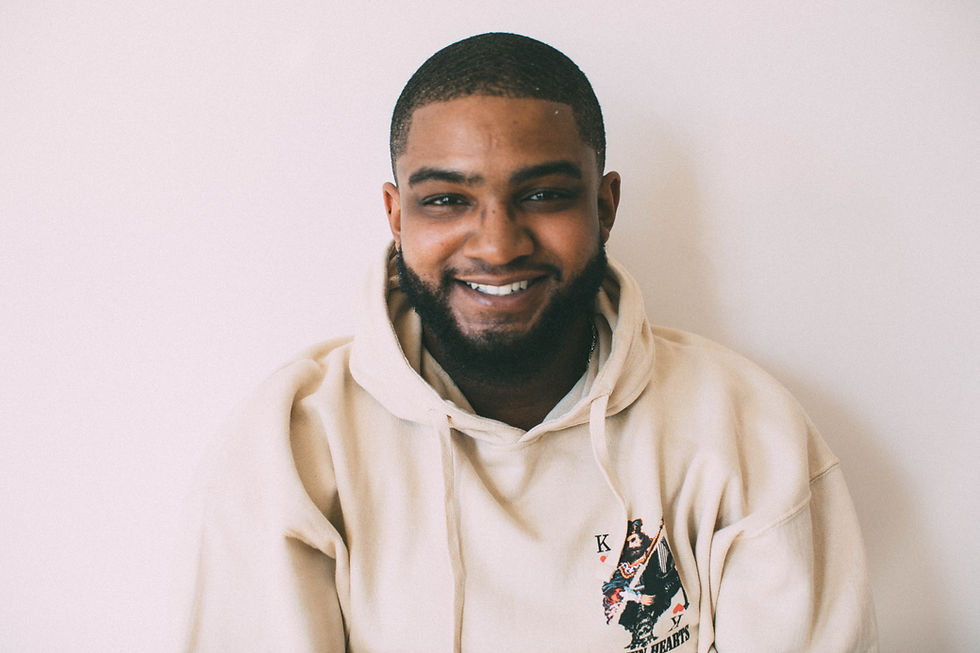
Mexico City-based alternative rock artist Stephen White returns with “Hope,” a deeply conflicted release about holding onto someone even after recognizing that your place in their life may already be gone. Closing out his five-part A Novel Hope: Live Sessions series, the single arrives as White steps back into live performance following time away from the stage.
Blending cinematic alternative rock with a songwriter’s attention to small, revealing details, White avoids turning “Hope” into a sweeping declaration of devotion. Instead, the song lives inside unanswered questions. Its narrator shows up at someone’s door without knowing whether his presence is noticed, wanted, or even acknowledged. What he offers is equally restrained: a lullaby, something intimate and almost painfully modest in exchange for remaining connected.
The most compelling tension comes from White allowing his narrator to understand exactly what he is doing. There is no illusion that persistence will necessarily lead somewhere better. When he admits a willingness to “fall and suffer” only to return again, hope begins to look less like optimism and more like a conscious inability to let go.
For White, that uncomfortable emotional honesty is precisely the point. “Hope” is not interested in romanticizing staying. It captures the far messier reality of knowing you should leave and hoping anyway.
“Hope” presents its narrator as someone who understands the relationship may be over but continues returning anyway. Why was it important for him to have that level of self-awareness?
There's a contrast I wanted in there. On one side there's the guy whose relationship ended and can't quite let go. But the real story is a little rawer than that; it's someone who was never actually with her, who chased someone who never felt the same way back. That's where "I need to fall and suffer" comes from. He already knows he doesn't belong there, but he'd rather she keep throwing him some thread of hope, because he needs to believe that someday, somehow, she'll feel it too, and I believe at some point, we've all been there.
The song leaves several questions unanswered. What interested you about letting uncertainty drive the narrative instead of giving the listener resolution?
I try not to get too specific in my lyrics, because I want people to make it their. Someone could read this as a queer relationship, or as something that isn't even about romance at all. I'd rather leave it open enough that people bring their own story into it and make it theirs.
The word “interlope” dramatically reframes the narrator’s place in the story. How did that word become part of the song, and what does it represent to you?
I actually looked that word up at some point, and it ended up representing exactly what the whole song is saying. Funny enough, the song was originally going to be called "Interlope." But "Hope" made more sense in the end — the whole time, the narrator is really just asking this person to give him hope of being something he's probably never going to be, like...ever.
Your background spans both film and music. How does thinking visually influence the way you build a song like “Hope,” particularly when the lyrics already contain such specific scenes?
I like creating a contrast between what you hear and what's actually being said — sometimes atmosphere matters more than the literal lyrics. I can drop in certain Easter eggs that guide what ends up on screen, but I don't need to literally show a guy chasing someone he can't have — that's too obvious, and I'd rather make something interesting than something obvious. Like the Foo Fighters' "Everlong" video — it looks like a completely unrelated dream sequence, but the song is about something else entirely. That's the kind of disconnect I'm aiming for with the "Hope" video, which is still in development.
“Hope” closes A Novel Hope: Live Sessions as you also return to performing in Mexico City. Does this release feel like the ending of one creative chapter or the beginning of the next?
Like it or not, an artist today has to become a content creator — it's one of the few real ways people find you now. I've seen Grammy winners who are frustrated today because nobody's paying attention anymore, while other artists who seem to have less to offer just understand how to connect with audiences right now.
After more than a year of almost no activity, I put together a live session with new members of the band — a kind of return, playing my most notable songs according to my own Spotify data, and obviously including "Hope." So I'd call this the start of a new chapter, not the end of one. Honestly, the inactivity is what hurt this project the most, so this is me making sure that doesn't happen again.