%20WHITE.png)

15 Music Producers Behind the Songs You Have on Repeat


Producers are the quiet architects of modern music. They shape tone, emotion, pacing, and identity long before a song ever reaches an audience, yet in independent music, their names are often buried beneath artist headlines. While mainstream conversations focus on vocalists and front-facing personas, it’s producers who are building the sonic frameworks that define entire scenes.
This list isn’t about the most famous producers or the ones already collecting industry trophies. It’s about producers whose influence outweighs their recognition, the people shaping independent music’s sound, direction, and emotional language without major-label infrastructure or algorithmic favoritism. If you care about where music is actually headed, these are the names you should know, and the work you’ve definitely heard.
Kenny Beats

Kenny Beats is often framed through internet culture, but his real impact lives in adaptability. He’s produced pivotal work for Vince Staples (FM!), Denzel Curry (TA13OO sessions), Rico Nasty, slowthai, and JPEGMAFIA, helping bridge underground credibility with broader cultural reach. What makes Kenny underrated isn’t visibility; it’s the depth of his influence across scenes that rarely overlap cleanly.
His strength lies in collaboration. Kenny doesn’t impose a signature sound; he creates environments where artists sound more like themselves. For independent musicians navigating genre-blurring spaces, that flexibility has been game-changing.
Monte Booker

Monte Booker’s production is defined by restraint and rhythm. Best known for shaping Smino’s sound on blkswn and NOIR, he’s also worked closely with Noname, Saba, and Ravyn Lenae. His beats often feel slightly off-grid, swinging, imperfect, alive, which gives songs an organic, human quality rarely found in polished indie releases.
Monte’s influence is subtle but far-reaching. He proved that groove doesn’t need to be loud to be powerful, and that space can be just as expressive as complexity.
WondaGurl

The Toronto-born producer has been operating at an elite level since her teens, long before most people even figured out their DAW. At just 16, she was already placing beats with Travis Scott and Jay-Z, which alone should’ve permanently shut down any debate about her credibility.
Her breakout moment came after winning Toronto’s Battle of the Beat Makers in 2012, where guest judge Boi-1da immediately clocked her talent and brought her into his creative orbit. That relationship opened doors fast, but WondaGurl still had to walk through them with skill. And she did. A few years later, she was in the studio producing for Rihanna, casually adding another global icon to her résumé.
Since then, her credits have stacked up quietly but relentlessly, spanning artists like Drake and Mariah Carey. No gimmicks. No overexposure. Just consistently sharp, dark, forward-thinking production that shapes the sound without begging for attention.
Fun fact that feels almost symbolic: one of the prizes she won at that original beat battle was a Roland GAIA SH-01 synthesizer. One competition, one synth, and a career that went on to influence some of the biggest records of the last decade. WondaGurl didn’t chase the industry. She made the industry come to her.
Jim-E Stack

Jim-E Stack lives in the emotional margins of indie and pop. His work with Bon Iver (i,i sessions), HAIM, Charli XCX, Dominic Fike, and Lorde (Solar Power sessions) prioritizes atmosphere over immediacy. His production often feels intimate and understated, designed to be felt before it’s noticed.
What makes Jim-E Stack essential is his ability to amplify vulnerability without overproducing it. He creates sonic spaces where artists can exist honestly, which is why his work resonates deeply even when it feels quiet.
Kaytranada

Before festival stages and award shows, Kaytranada was reshaping independent music culture online. His early work with Anderson .Paak, GoldLink (“Crew”), Aluna, and Vic Mensa introduced a groove-driven, genre-fluid approach that influenced an entire generation of producers.
Even now, his early independent impact is often overlooked because his sound feels ubiquitous. That’s the mark of real influence, when innovation becomes the standard.
Catherine Marks

Catherine Marks is a Melbourne-born, London-based producer and engineer whose career has steadily developed over nearly two decades. She began her journey in the industry as an assistant engineer and gradually built a reputation for her careful, detail-oriented approach to production across a wide range of genres.
Many listeners became familiar with her name more recently after she co-produced The Record by boygenius, which went on to win three Grammy Awards. The project marked a major moment of wider recognition for Marks and highlighted her ability to support emotionally resonant, artist-driven work.
Prior to this success, Marks had already contributed to an impressive and diverse body of work. Her credits include collaborations with artists such as Alanis Morissette and The Killers, spanning rock, jazz, and folk. Her production style is known for enhancing the core of a song while preserving the artist’s voice.
While her work may have flown under the radar for some time, Catherine Marks’ recent achievements have brought deserved attention to a career defined by consistency, versatility, and long-term dedication to the craft of music production.
Vegyn
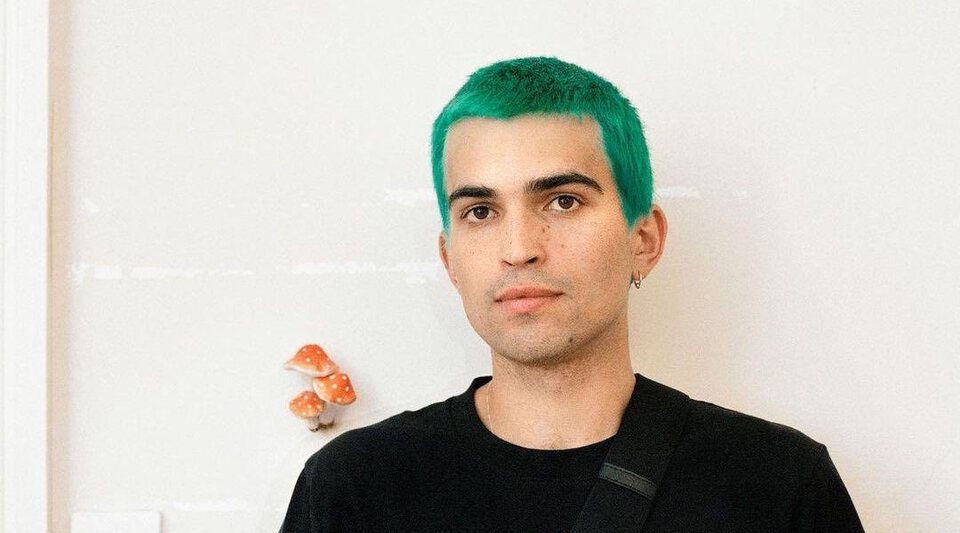
Vegyn’s production exists between clarity and chaos. Best known for his work on Frank Ocean’s Blonde and Endless, as well as collaborations with James Blake and JPEGMAFIA, his beats often feel unfinished in a deliberate, emotional way.
Vegyn’s strength lies in discomfort. He allows distortion, silence, and imbalance to coexist, creating music that feels personal rather than perfected. His influence is deeply embedded in experimental indie spaces, even when his name isn’t.
Rodaidh McDonald

Rodaidh McDonald has quietly shaped some of the most emotionally raw albums in modern indie music. His production credits include The xx (Coexist, I See You), Sampha (Process), King Krule, and Daughter. His approach prioritizes texture, tension, and emotional honesty over polish.
He doesn’t chase hits. He captures moments. That philosophy has made him one of the most trusted producers for artists navigating vulnerability and restraint.
Emily Wright

In mainstream pop, vocal production is everything, and Emily Wright has been a trusted presence behind some of the genre’s most recognizable records. Based in Los Angeles, Wright is a highly sought-after vocal producer whose work has helped shape the sound of modern pop for more than two decades.
Her credits span an impressive list of chart-defining hits, including Party in the U.S.A. by Miley Cyrus, Teenage Dream by Katy Perry, and Till the World Ends by Britney Spears. These records are known not just for catchy hooks but for vocals that feel polished, confident, and emotionally clear, a testament to Wright’s technical skill and musical sensitivity.
Rather than drawing attention to herself, Wright’s work focuses on elevating the artist and delivering performances that connect with a wide audience. Her consistency across eras and artists has made her a quiet mainstay in pop music, contributing to songs that continue to define playlists, radio rotations, and pop culture moments years after their release.
Sylvia Massy

Sylvia Massy is an American sound engineer and music producer whose career spans more than four decades. Active since the 1980s, she began her professional journey as an assistant engineer, gaining hands-on experience while working with legendary artists such as Barbra Streisand, Queen, Prince, and Elton John.
As her career progressed, Massy established herself as a respected mixing engineer, contributing to projects by artists including Red Hot Chili Peppers, R.E.M., and Johnny Cash. Her work during this period helped shape recordings across rock and alternative music, earning her a reputation for technical precision and creative experimentation.
One of the most notable chapters of Massy’s career came through her collaboration with Tool. She produced and mixed the band’s debut album, Undertow, which went triple platinum in the United States and played a significant role in defining the band’s early sound.
Today, Sylvia Massy continues to work from her private studio in Ashland, Oregon, where she remains active as a producer, engineer, and educator, contributing her extensive experience to new projects while maintaining a lasting influence on the craft of music production.
Nick Mira

Nick Mira played a key role in redefining how producers break through independently. His work with Juice WRLD (“Lucid Dreams,” Goodbye & Good Riddance), Iann Dior, and Lil Tecca helped normalize melodic vulnerability in internet-first rap.
Beyond hits, Mira’s biggest contribution was structural. He proved producers could discover, develop, and break artists without traditional industry backing, reshaping entry points into the music business.
Jennifer Decilveo

Jennifer Decilveo is a songwriter and producer who took an unconventional path into music, leaving a full-time career in finance to pursue her creative work. The transition paid off quickly. In 2015, she co-wrote and co-produced Cheers to the Fall, the Grammy-nominated debut album from Andra Day, marking a major breakthrough early in her production career.
She went on to serve as the sole producer for Fake Sugar by Beth Ditto and produced the majority of tracks on Sing to Me Instead by Ben Platt. Each project highlighted her ability to adapt to different vocal styles while maintaining a clear and cohesive sonic direction. More recently, Decilveo contributed as a co-producer on Unreal Unearth by Hozier.
Decilveo’s work is often defined by its versatility. While many of her projects carry strong pop sensibilities, she consistently blends influences across genres, incorporating elements of EDM, soul, and alternative music. This genre-fluid approach has made her a sought-after collaborator and a distinctive voice in contemporary music production.
BADBADNOTGOOD

As a collective, BADBADNOTGOOD operates as producers who think like musicians first. Their collaborations with Tyler, The Creator, Kendrick Lamar (To Pimp a Butterfly sessions), Frank Ocean, and Ghostface Killah reintroduced live instrumentation into modern hip-hop and indie production.
They showed that musicianship still matters, and that it can coexist with contemporary sound design without sounding nostalgic or forced.
Arca

Arca’s influence on independent and experimental music is massive, though often misunderstood. Her production for Kanye West (Yeezus), FKA twigs (LP1), and Björk, alongside her own solo work, dismantles traditional structure entirely.
For independent artists unafraid of transformation, Arca represents creative freedom at its most radical. She doesn’t just produce songs; she challenges the very idea of form.
TOKiMONSTA

TOKiMONSTA is a Korean-American producer and DJ known for blending electronic music with hip-hop, soul, and experimental textures. Early in her career, she attended the Red Bull Music Academy, an experience that helped shape her technical and creative approach. Soon after, she was signed to Brainfeeder by Flying Lotus, marking a major step in her rise within the electronic music scene.
Alongside releasing a steady catalog of solo albums and EPs, TOKiMONSTA has built a strong reputation as a remixer and collaborator. Her remix work includes tracks for artists such as Justin Timberlake, Beck, and Maroon 5, showcasing her ability to adapt her sound across genres while maintaining a distinct identity.
In addition to her own work, TOKiMONSTA supports emerging artists through her label, Young Art Records, helping develop new talent such as Daktyl.
In 2015, she faced a major personal and professional challenge after being diagnosed with Moyamoya disease and undergoing two brain surgeries. During recovery, she had to relearn how to process music, a process that deeply influenced her creative outlook. She later returned with Lune Rouge, a Grammy-nominated album that reflected both her resilience and continued evolution as a producer.


