%20WHITE.png)

Search this site
13575 results found with an empty search
- día Steps Into Her Confidence With Sultry New Pop Single “Can’t Get Enough”
New York City-born independent artist día is stepping into a brighter, bolder era with “Can’t Get Enough,” an upbeat pop single built around confidence, self-love, and the simple pleasure of making something that feels good. After exploring pop-rock and heartbreak on recent releases, día wanted a change of pace. Working alongside her producer, she set out to create something upbeat with a slightly darker, sultry edge. The result came together almost instantly, with the beat inspiring a song that felt natural, playful, and refreshingly uncomplicated. That sense of freedom is exactly what makes “Can’t Get Enough” click. Rather than dressing the track up with an overly serious message, día lets confidence take the lead. It is music for strutting down the street, dancing alone in your room, or remembering who you are when your energy needs a reset. For día, that feeling also reconnects her with the uninhibited creativity she had as a kid, when writing songs and staging living-room performances came without second-guessing. Now, with years of growth behind her, she channels that same instinct into a more mature celebration of self-assurance. The release continues an independent career that has already produced significant momentum, including more than 12 million combined streams for her standout track “Liar.” día is also preparing an official music video for “Can’t Get Enough,” promising choreography, diamonds, and bright lights to bring the song's confident energy to life visually. “Can’t Get Enough” is available to stream now on all major platforms. “Can’t Get Enough” came after a pop-rock EP and a heartbreak single. What made this the right moment to leave the heavier emotions behind and make something purely fun? My whole life, I've experienced really big and intense emotions, which can be scary to deal with at times. I found a way to channel all of that emotion directly into my music and express myself through lyrics, which is a great outlet for me until it starts to take over a little too much. I was feeling pretty down after writing song after song about trauma, sadness, and heartbreak, and decided I needed a pick-me-up. I knew I had to switch up the vibe and write a fun, fast-paced pop song that would not only lift me out of my funk, but make me feel good. I wanted to feel confident, powerful, and sexy, which were the driving forces behind this song, and of course feeling all of those things made "Can't Get Enough" a purely fun experience for me... I hope it shows! You described wanting the production to feel upbeat while still carrying a darker, sultry edge. How did you and your producer find the right balance between those two sides? I am so lucky to be blessed with the best producer ever (shoutout trvst). He knows my voice and my sound without me even saying anything, so the process was pretty natural. He actually made the beat on the spot and I immediately starting writing to it as we just let the music and the melodies flow. After we recorded the demo the first time, we recorded it at a different studio the second time, then again at his home studio for the third time before the vocals sounded right. From there, he mixed the song about a million times, and every time I heard a new version, there was always a small addition somewhere in the beat that made the song sound even more cinematic, more intentional, and more cohesive. When two perfectionists work together, it takes a while to get it just right, so after a year of playing around with the song, we finally found the perfect balance. You’ve said this song reconnects you with the confidence you had putting on living-room performances as a kid. What parts of that younger version of yourself have you tried to bring back into your artistry? This question makes me so giddy because I'm doing exactly everything that I always dreamed of doing as a kid. I've always dealt with insecurity and feelings of inadequacy, which in many ways has held me back. In this new era of my life, I'm doing this for my inner child who never thought she was good enough. Everytime I sing, instead of thinking of the boy who laughed at me for trying to sing in front of the class, I think about the times I sang my heart out in chorus or for my parents when we used to play "American Idol" in the living room. Now when I perform, I reshape my thoughts about being embarrassed into thoughts about conquering the stage. How can I give it my best and show the world that I now know exactly who I am? I want to give myself the confidence I deserve and I want to help people realize their own self-confidence and give them permission to absolutely love themselves, just like they did when they were a little kid before society interrupted that. “Liar” has now reached more than 12 million combined streams. How has seeing a song connect on that scale changed your perspective as an independent artist? Full transparency, I am so proud that "Liar" has surpassed 12 million streams, but what I found out as an artist is that the numbers don't always equate to financial or visibility growth. So what it's done for me is show me that my music is good and that people want to listen to it, but it's also shown me that that's not always enough. With this motivation, I can use the outcome to guide me towards a path more focused on marketing, branding, and vision. I find myself asking questions like, why should people care about my songs or even me? What can I do as an artist to keep people coming back for more instead of just listening to one song they like? I am so glad people can relate and resonate with this song, which is actually the first song I released on all streaming platforms, and I'm glad it continues to get love, but I've got a lot more to share with the world, and I can't wait to further that connection with my audience The upcoming “Can’t Get Enough” video includes choreography, diamonds, and bright lights. What can you tell us about the visual world you’re creating for this era? The "Can't Get Enough" music video has officially dropped! The visual world I've created is meant to be glamorous, enticing, and full of confidence & individuality. I surrounded myself with dancers who are amazing at what they do, and through the screen you can see and feel their boldness, dedication, and charisma. We filled the room with blue, purple, and red lights to keep the atmosphere sultry, which paired perfectly with the rain falling from the ceiling (shoutout to FD Photo Studio's rain room). We really gave this our all and I encourage you to check it out before I give too much away. Thank you to the videographer, my dancers, and choreographer (Storm is the best in the game!), and once again my producer for all making my vision come to life.
- Ali Mills Explores Love on the Edge in “Mercury Rising”
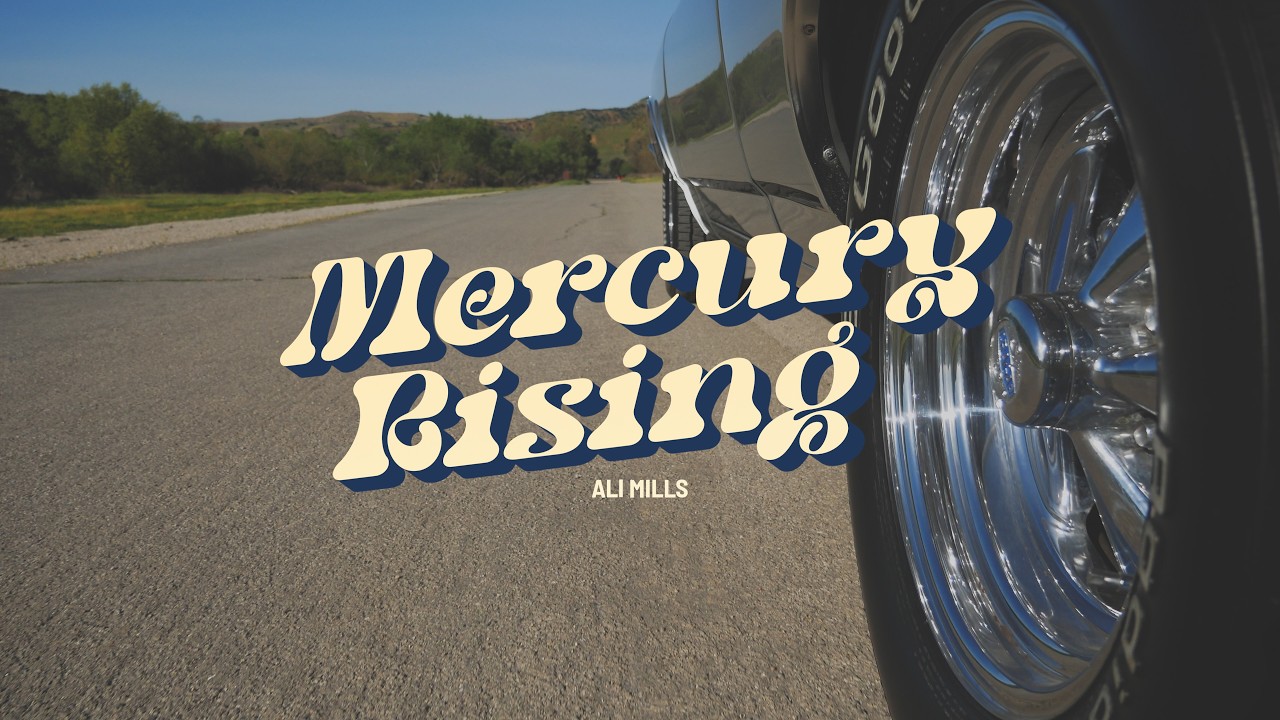
Southern California singer-songwriter Ali Mills brings emotional tension and cinematic storytelling together on “Mercury Rising,” a standout track from her 2026 debut solo album, released through independent label Dog + King Records. Rooted in indie rock and Americana, “Mercury Rising” examines the complicated reality of a relationship that has continued long past its expiration date. Rather than presenting heartbreak as a clean departure, Ali Mills explores the uncomfortable territory between wanting to leave and finding reasons to stay. The song unfolds through moments of confrontation, suspicion, silence, and emotional distance. Its central metaphor, a steadily rising temperature, captures the pressure building between two people who remain deeply connected despite their increasingly fractured relationship. Ali Mills approaches the subject with a songwriting sensibility that draws from folk traditions while embracing the broader arrangements of contemporary alternative rock. The result reflects an artist comfortable exploring difficult emotions without forcing them toward an easy resolution. The accompanying music video takes that tension into the California desert, transforming the song's emotional landscape into a visually striking relationship drama. Directed by Neil Cabana and filmed primarily in Joshua Tree, the video features Ali Mills and Neil Cabana portraying a couple navigating attraction, distrust, and mounting frustration. A colorful retro home, expansive desert highways, and a vintage 1970s El Camino establish an atmosphere influenced by classic California cinema. With “Mercury Rising,” Ali Mills demonstrates that some of the most compelling relationship stories aren't about falling in or out of love, but recognizing when love alone may no longer be enough. “Mercury Rising” explores the difficult space between wanting to leave a relationship and feeling unable to let go. What inspired you to write about that emotional contradiction, and how much of the story comes from personal experience? When I started writing the song, the melody and words “Mercury Rising” came to me without much prompting or searching. Similar to how you get a song in your head and can’t stop humming it, I kept humming what later became the chorus of “Mercury Rising”. I later returned to those lyrics to interpret what they might mean to me. I imagined an impending breakup, similar to ones I’ve had in my past where two people are clearly through with each other but still hold on to anything they can. The tension is so thick you can cut it with a knife… or watch the mercury on a thermometer as it rises. The rising temperature serves as a powerful metaphor throughout the song. How did that imagery develop during the writing process, and what did you want it to communicate beyond the relationship itself? I had this memory of driving down I-15 on my way into Las Vegas, and I would always notice “the world's largest thermometer” while passing through Baker, CA. That thermometer inspired the imagery behind the hook of the song. In some ways, I feel like the metaphor transcends the song in that the feeling that’s associated with the words: “Mercury Rising”, is pretty familiar to most anyone. I think we’ve all experienced tense relationships, or moments that we felt we were forced to make a decision that we didn’t want to make. The metaphor is there to represent tension and conflict. The music video brings a distinctly cinematic perspective to “Mercury Rising,” particularly through its Joshua Tree setting and 1970s-inspired visuals. How involved were you in developing the concept, and what did the visual interpretation reveal about the song that the lyrics couldn't express alone? A few years ago, I watched the Netflix series, “Daisy Jones and The Six”. I fell in love with the cinematography, style, and the storyline in the show, which also felt deeply personal to me. I wanted the video to capture some of that nostalgia. The 70s were a decade I wished I got to experience. The song easily fit into the classic rock vibe of the era; in fact, when tracking it in the studio, we made many conscious choices to keep it 70s-inspired, so I went to my Director, Neil Cabana, and he helped me bring that vision to life. Your debut album, Under The Bougainvillea, moves between the California daydream of “Canyon” and the emotional turbulence of “Mercury Rising.” What connects these contrasting stories, and what do they reveal about where you are creatively today? The songs on the record were written over the better part of a decade, the oldest from 2013 and the newest in 2024. Many in the height of the pandemic. During that time in my personal life, several big life changes occurred- I got married, moved out of the city (of LA), had three children, and lost my Dad to dementia. The record and its songs represent all of those chapters in that span of time. Having experienced the biggest love(s) of my life, immense loss, and still harboring regret and resentment from my past, these contrasting stories are all connected to the human experience. As an artist today, I give myself more grace. Grief doesn't go away, and neither do the experiences of my past that occasionally return to haunt me. Allowing myself to step into my creative power and use it for prose has been a cathartic escape for me. I’m deep into writing a second record that revisits some of these themes, but from a fresh perspective. After years of performing with bands and establishing yourself on the live circuit, you've stepped forward as a solo artist. What has that transition taught you about your creative identity, and what are you willing to explore now that you might have held back from earlier in your career? I thought I was finished writing music after having kids. The mental load of being a mother, let alone a new mother, was so all-encompassing that I just didn’t have the space for it anymore. It took some years to find my rhythm in that part of my life, but once I did, I felt the urgent need to start writing immediately and pretty much daily. Rediscovering that passion gave me a whole new identity. I no longer felt the need to hide behind bandmates to make my music sound more digestible. I was ready to step forward as a solo artist with a lot to say.
- Rachel and George Turn Grief Into Something Haunting on “No Way Left”
Americana husband-and-wife duo Rachel and George confront the parts of grief that refuse to resolve neatly on their deeply personal single, “No Way Left.” Based in Orlando and also known for their work with Oak Hill Drifters, Rachel and George bring years of shared musical history into the project. But “No Way Left” reaches much further back, beginning with a song Rachel Decker first wrote more than a decade ago following the sudden death of her then-fiancé, Jeff Schultz. Written only months after the loss, the song emerged during an evening alone at home when Rachel Decker picked up a guitar and found herself immediately overwhelmed. After performing it once, Rachel Decker put the song away, believing she might never return to it. More than ten years later, George Dimitrov helped bring it back to life. Working from Rachel Decker’s original melody and sparse lyrics, George Dimitrov helped shape “No Way Left” into an unflinching portrait of sudden loss. Rather than forcing grief toward some comforting resolution, Rachel and George lean into its heaviness. Detachment, despair, anger, and that paralyzing feeling of being unable to move forward all exist without being cleaned up for the listener. That choice gives “No Way Left” its weight. There is no tidy ending or obligatory promise that tomorrow will immediately feel better. Instead, Rachel and George acknowledge that sometimes being deep inside grief is simply where someone is. What makes the song even more affecting is where Rachel Decker stands today. Now married to her musical and writing partner George Dimitrov, Rachel Decker describes a life filled with gratitude she once could not have imagined. “No Way Left” sat untouched for more than a decade. What ultimately made you feel ready to return to the song and share it with other people? Rachel: It never really left my mind. But maybe there was something magical or healing about that round number of ten that seemed like, “Ok. It’s been a decade. You can go back to that headspace from a safe distance and start actively getting into this song now.” It felt important to me. It’s such an odd and unique place to be emotionally. Thankfully, not everyone experiences the violent loss of a loved one, but I was compelled to try to represent the aftermath of it. It was a way of honoring Jeff’s memory as well as being a way to finally put the weight of that song down. Being in a solid and loving space with George, where I utterly trust him, had an enormous amount to do with it. No way could I have put it in the hands of someone abrasive. George, when Rachel trusted you with something this personal, how did you approach developing the song without losing the rawness of what she originally wrote? At this point, I was ready to connect with this kind of loss and deep void. The idea was to preserve the melancholy and sadness and add subtle mood changes via key changes and harmony. We decided to take the song from its singer-songwriter shell and place it in 1970s-style soft/country rock. The classic rock approach is not far-fetched from the singer-songwriter realm, but it helps add more nuances. Sadness and pain tend to fade away with time, but the memories are there. In later stages, they can be revisited and injected into the song with more optimistic realism. I think ultimately Rachel found a way to get there. I leaned towards key changes to give it a lift instead of relying on plain harmony devices, which are useful with minimal orchestration. I was looking to implement soaring harmonies and "crying" style guitar - the instrumentation and tone add to the message and language of the music. Contrast is another favorite music production device for me. Contrasting dynamics keep the listener's interest and validate the storyline. You intentionally chose not to give “No Way Left” a hopeful or comforting ending. Why was it important to let the song remain unresolved? Because sometimes life is unresolved. It can be unfair, and it can be cruel. Maybe it’s not an optimistic or happy message, but it is often a real part of life, and we wanted people who are unfortunately in “the club,” and who are or were in the thick of it, to know that they aren’t alone in their experience. No one wants to be in that club, and I wouldn’t wish it on anyone, but it matters that there is art that represents it. Music is connection, and it’s important to be able to find that connection, even when we’re in the depths. Especially then. Rachel, how did your relationship with the song change between writing it during one of the darkest periods of your life and recording it from where you are today? I’ve always loved it from that first shambling version, but I also couldn’t really face it. It took over a decade. A decade! I’d tiptoe around it when someone asked if I had a song about Jeff. Once we committed to getting it recorded, I got more comfortable with the lyrics and the idea of changing things. I could be more analytical about it. Now I can listen to it, and it’s still powerful, but it feels bigger than just my story now. Whether it’s well received or not, or gets any traction, I’m glad to have it out. It’s a snapshot of a life-altering period of time. Has creating “No Way Left” together changed the way you approach vulnerability or difficult subjects in your songwriting moving forward? This is by far the most vulnerable song I’ve ever written and potentially could have been the most hurtful to George. To know that he treated it with such respect and care is truly indicative of, first, what a stand-up guy he is, and second, he’s a true musician and artist. I especially learned from this song that we can trust each other to take ideas and work towards elevating them. It does take a lot of faith to let go of my preconceived ideas of what the song should be, but it’s exciting and often startling where we end up versus where we started.
- San Tropez Hand "The Oval" to Skot Kremen
San Tropez spent their first two records building a particular kind of haze: American dream pop with a cinematic streak, shot through with the guitar-wash reverence of My Bloody Valentine and Slowdive. Their third album, Exit Through the Gift Shop, doesn't push that sound forward so much as turn it sideways. Across eight songs pulled from the band's history, it collects remixes, live recordings, a cover, a demo, and a previously unreleased alternate version. The band frames it less as a "what might have been" and more as a different angle on what already was, and they're upfront that it's built to win new listeners as much as reward old ones. It opens with "The Oval (Milestar Mix)," a fresh reworking by Skot Kremen, whose credits include You Shriek, Model Behavior, Project Sphere, and Provocateur. Kremen's version is a slow drift, with the vocals floating over something closer to the dreamier moments of Prefuse 73 or the unhurried patience of Mogwai than to the band's usual guitar wall. It's spacey and nocturnal, and it's in no rush to get anywhere, which suits an album about taking the long way around. The collection follows 2025's Museum of Modern History, which pulled in guests including Marissa Paternoster (Screaming Females, Noun), saxophonist Zack Sandler, and vocalist Victoria Benesch (The Slow Circuit). Rebel Noise called "Swear Off the Sunlight" a "sublime collision of isolation and spectacle," New Noise Magazine heard a "deep-seated sense of nostalgia" in "Baby Bells," and Alt Recess likened the record to "opening a photo album you forgot you had." That album followed the band's 2023 debut, Maybe Tomorrow, released through Mint 400 Records. San Tropez began as a set of demos Ralph Nicastro (Wreaths, Aviso Hara, Sparks Fly From a Kiss) started making in 2016 and passed around to friends on SoundCloud. In January 2018, Frank Bridges (Magic Mountain, Duochrome, kiaro skuro) posted a photo of a newly acquired Guild Starfire bass on Facebook asking who wanted to start a shoegaze band. Within hours he had one, with Nicastro and longtime friend Albie Connelly (Angular Brothers, Stuntcocks, Urchins) on guitars. They kept Nicastro's working title for the project. Drummer Andy Fountas (Magic Mountain, The Border States, Duochrome) came aboard in late 2018, and keyboardist Phil Pirri (Blaa Fugl) completed the lineup in late 2022. Listen to "The Oval (Milestar Mix)" below.
- The Star Prairie Project Confronts the Dark Reality of Alcoholism on “Drunk Out of Your Mind”
The Star Prairie Project isn't interested in romanticizing another night at the bottom of a bottle. On “Drunk Out of Your Mind,” the Wisconsin-based recording project delivers a blues-rock anthem that confronts alcoholism, its devastating consequences, and the difficult road toward recovery. The track is the third featured release from Shadows on the Wall, the project's tenth studio album, released August 24, 2026. Led by songwriter Nolen R. Chew Jr., The Star Prairie Project brings together international musicians to transform deeply personal experiences into compelling rock compositions. “Drunk Out of Your Mind” features vocals from Sandrine Orsini, guitar work from Ricardo Dikk, and music composed by Marcello Vieira and Ricardo Dikk. Its blues-driven foundation and haunting narrative explore the destructive cycle of excessive drinking, from broken promises and personality changes to the emotional damage experienced by loved ones. What makes this release particularly significant is its autobiographical foundation. Nolen R. Chew Jr. draws from firsthand experience growing up in an alcoholic household and navigating personal recovery. Rather than celebrating the reckless lifestyle frequently associated with rock music, the songwriting examines what happens when the party ends and reality sets in. The song's message is ultimately one of accountability and hope. Nolen R. Chew Jr. explains that the intention is to reach someone who may be struggling to recognize the consequences of their drinking, even if that message only resonates with one listener. With “Drunk Out of Your Mind,” The Star Prairie Project demonstrates how blues-rock storytelling can tackle uncomfortable subjects without losing its emotional impact. It's a cautionary tale rooted in lived experience, reminding listeners that destructive patterns have consequences, but change remains possible.
- Colleen D’Agostino Chooses a Fresh Start on New Single “Secret”
Los Angeles singer-songwriter Colleen D’Agostino steps forward on her own with “Secret,” a new electronic single centered on leaving old chaos behind and choosing a future with someone you love. A Grammy-nominated artist with roots in both alternative rock and electronic music, Colleen D’Agostino first gained recognition as the frontwoman of The Material before expanding into the electronic space. Her career has since included the platinum-certified deadmau5 collaboration “Seeya,” alongside releases through mau5trap, Armada, and Hypnovizion, and collaborations with artists including REZZ, Will Sparks, and EDDIE. “Secret,” however, feels intentionally more personal. The track captures that complicated point in a relationship where moving forward requires both people to stop allowing the past to dictate what happens next. Colleen D’Agostino spends the verses reaching toward someone who has yet to fully open up, creating an emotional tension that gives the chorus greater weight when it arrives. Rather than romanticizing starting over, “Secret” recognizes that choosing a future together often means consciously releasing what came before it. There’s longing in the song, but also a noticeable sense of optimism. Colleen D’Agostino ultimately frames letting go as an act of freedom rather than loss. Production from Jordan Orcaz complements that emotional progression, giving Colleen D’Agostino’s commanding vocals enough space to remain at the center of the record. After releasing music this year with Julian Gray, REZZ, and AZRUM, “Secret” arrives without a label or featured collaborator. That independence makes the release feel particularly significant, offering a direct glimpse at where Colleen D’Agostino wants to take her own music next. “Secret” is about choosing a future with someone while leaving old chaos behind. What did you have to understand about your own past before you could write about letting it go? As a female in the music industry, I’d say life has always been a bit unpredictable. When I was touring with my band The Material, I had to give up all expectations of what I thought my life would look like, in exchange for chasing a dream. I think in some ways, it’s allowed me the ability to follow my own path and embrace change as it comes. There’s tension in the verses between wanting someone to open up and realizing you can’t force them to. How have you learned to navigate that line between fighting for a relationship and knowing when something is beyond your control? I don’t think trust can be forced. A good relationship takes time, and trust forms when you choose to keep showing up for each other, even in the chaos. After collaborating with artists like deadmau5, REZZ, and Julian Gray, “Secret” puts the focus entirely back on you. What did you want this release to establish about Colleen D’Agostino as a solo artist? I love writing and collaborating with other artists, but I felt like it was time to put something out there by myself. It’s easy to become labeled as “just a featured artist”. I want people to know that it’s me writing all the melodies and lyrics, recording my own vocals, and putting in the work. Each year I’m learning and growing. I love every moment of this job I get to do as a songwriter. Jordan Orcaz’s production gives your vocals and the emotion behind them a lot of room to breathe. What conversations did you have about how the production should support the story without overpowering it? Jordan and I go way back to when we were both signed to deadmau5’s label, mau5trap. I’m always in awe of his production, mixing, and mastering skills. We’ve written so much music together over the years that we don’t usually need to discuss what to do with the vocals. We’ve got it down to a science; I record my own vocals and send him a bunch of dry vocal stems. I honestly credit him for getting me excited to write music again after being away for a while to start my family because he’s always been so kind to pitch me for projects. In return, I try to bring him into every project that I’m a part of because I trust his ear 100%. You’ve moved between alternative rock and electronic music throughout your career. At this stage, are you still interested in defining your sound by genre, or are you more focused on following whatever a particular song needs? I started in the rock world with my band The Material and honestly never considered the EDM world until I got sent a deadmau5 song to write to. After that, there were more opportunities for me in electronic music, so I just kind of stayed! I’m really excited about bass music at the moment. I feel there’s a lot of crossover. The songs I did with Rezz and Azrum have some moody guitars that feel reminiscent of what I started with in rock music, so for now, I’m focused on doing more of that. I hope that I get to tour again someday with my husband and bandmates. Always.
- Ariane Campbell Calls for Peace on “Lay Down Your Guns”
Australian-born, New York-based rocker Ariane Campbell is turning frustration into something louder on “Lay Down Your Guns,” a guitar-driven anti-war anthem that questions why violence continues to be treated as an answer. Written by Ariane Campbell, the track began with a deceptively simple thought: if everyone put their weapons down, wouldn’t everyone be safer? From there, Ariane Campbell looks beyond global conflict and toward the anger people carry within themselves, confronting the instinct to fight back before ultimately choosing something more difficult: peace. Musically, “Lay Down Your Guns” has no interest in delivering that message quietly. A deep, gritty guitar riff drives the track with the weight of vintage rock, while Ariane Campbell’s commanding vocal performance gives the song its urgency. There is muscle behind the production, but enough restraint to keep the message from getting buried beneath it. Ariane Campbell assembled serious players to bring that vision to life. Nat Allison, known for work with Suzi Quatro, takes lead guitar, while The Preatures’ Luke Davison handles drums. Lewis Mitchell engineered the recording at Forbes Street Studios while also playing bass, giving the track a tight, live-band foundation. The result fits naturally within Ariane Campbell’s history of uncompromising rock songwriting while pushing toward a bigger question. “Lay Down Your Guns” acknowledges anger rather than pretending it does not exist, then asks what happens when we decide not to act on it. For Ariane Campbell, the takeaway is ultimately uncomplicated: original guitar music is still alive, and love remains the better answer. “Lay Down Your Guns” makes that argument with distortion turned all the way up. What was happening in your life or in the world when the idea for “Lay Down Your Guns” first started taking shape? In my life, I was going through an era of reflection, contrition, and creativity. Some demos I had landed with some really great people in the music industry, so approaching recording, I wanted to bring something strong to the table. This track was one that I felt was really honest. The world, in some significant and scary ways was in a state of chaos, with wars escalating, I was reflecting on that as well. Getting into some universal truths about conflict and communication. You’ve described the song as both an anti-war anthem and an exploration of your own anger. Was there anything you learned about yourself while writing it that surprised you? Lay Down Your Guns is definitely an anti- war anthem. There are so many other/ better ways to go than to pick up a weapon for any reason and point it at a perceived enemy. There’s no power nor glory in that. And yes, I had become fired up over injustice, lies, and subterfuge to the extent that I knew I’d rather retreat to resolve it rather than fuel any flames through continued confrontation. I was surprised to learn how powerful quiet honesty can be. The song carries a message of peace through a gritty, unapologetic rock sound. Why was it important for you to deliver that message with this much intensity? Thanks for saying that! I’ve always admired strident, unapologetic cats like Joan Jett. I’m learning. I’d love to amplify that aspect of my work, to be honest. I love that you think of this song as intense. I appreciate that. What did working with Nat Allison, Luke Davison, and Lewis Mitchell bring out of the song that wasn’t there when you initially wrote it? Far out, what didn’t those legends bring? Nat Allison always brings a certain type of magic to music anytime she plays it. The way Nat heard Lay Down Your Guns was at a level that I hadn’t even imagined, and you can hear she’s got it right behind the sentiment of it. Completely. Luke Davison is a heartfelt man, who also listened carefully to the song and brought some lovely light touches in at the end, where you can hear in his hits that consideration of world peace whilst being up in arms over any conflict. Brilliant. Lewis Mitchell is such a masterful engineer. Lewis brought heart and soul and deep thought to all that the song had to give and all that I had to give as a songwriter. He brings out what’s honest, true, and vital in any track for sure. So lucky to get to work with all three on this. You’ve said that “love is the answer here and now.” What do you hope “Lay Down Your Guns” makes listeners question about the way we respond to anger, division and conflict? Well, yes, it’s John Lennon who said: “Love is the answer, and you know that, and I know that for sure.” With Lay Down Your Guns, I hope to carry that message forward and that listeners will as well. We’re all only human, after all. And at the end of the day, I believe we just want to be loved, really. Am I right?
- Starleen Pushes Electronic Pop Into New Territory on Evolution // Rebirth
Dallas experimental electronic duo Starleen steps into a new era with their debut album, Evolution // Rebirth, a dark, immersive release that explores the tension between human emotion and an increasingly digital world. The album draws on alt electro pop, IDM, dance, and darkwave while refusing to settle comfortably into any one lane. Instead, Starleen builds a deliberately unstable atmosphere. Glitch-heavy percussion collides with distorted synths, cinematic textures, and ethereal vocals, creating a record that feels as psychological as it does electronic. That unease is part of the point. Evolution // Rebirth circles themes of modernity, identity, personal freedom, technological alienation, and the complicated process of becoming something new. The project has a futuristic quality throughout, but Starleen never sacrifices emotion for experimentation. “Modernity” is one of the album’s clearest examples. Psychedelic synth movement and fractured electronic production create a disorienting backdrop that feels caught somewhere between physical reality and digital overload. Elsewhere, the title track expands that world visually. Its accompanying music video has been selected for the Dallas International Film Festival this October, continuing Starleen’s growing connection between music and visual art. Formed after meeting in a high school music theory class, Starleen have spent years developing their sound independently from a home studio. Previous projects Life Is Strange and To Give In, alongside singles like “Let Me Go” and “Replica,” laid the groundwork, but Evolution // Rebirth feels like the duo committing fully to their most ambitious instincts yet. For listeners tired of electronic music playing it safe, Starleen offers something stranger, darker, and far more interesting.
- Kristeen Young Confronts Modern Excess With 'Full Scrotal Scorpio'
New York experimental rock artist Kristeen Young is preparing to release Full Scrotal Scorpio on October 23, 2026, a fiercely DIY album confronting overconsumption, greed, digital culture, technology, and the increasingly numbers-driven ways we measure our lives. Written, produced, and mixed by Young, the project was created alongside longtime drummer Jefferson Wayne “Baby Jef” White, with Young spending nearly a year teaching herself the tools needed to complete the mix on her own. The album arrives during another active chapter in Young’s career, following a 2026 invitation from Billy Corgan to arrange and record a cover of The Smashing Pumpkins’ “Bullet with Butterfly Wings.” With the latest single “Numbers” already introducing the record’s criticism of capitalism and our obsession with metrics, Young will release the title track on October 20 before celebrating Full Scrotal Scorpio with an album release show at TV Eye in Brooklyn on October 23. Below, Young takes us further inside the ideas, frustrations, and creative process behind the new record. You wrote much of Full Scrotal Scorpio quickly, but then spent nearly a year mixing it yourself. How did living with these songs for that long change your relationship with what you originally wanted to say? I don’t think it did. At all. I think it intensified what I originally wanted to say. The album confronts greed, overconsumption, violence, technology, and the language we use to avoid uncomfortable realities. Why was it important to address those subjects without sacrificing energy, humor, or a “fun beat”? Because music comes first; if it were all about lyrics, I’d write a poetry book. And I think the music can be an antidote to all that’s happening or a contrast to the lyrics. Yeah, what we are living through every day is a hellscape, and it has to be acknowledged, but also here’s something to make you jump up and down or dazzle the ears to hopefully make you feel better in the meantime. I need to feel better. Even playing the songs at shows or in practice lifts me. “Numbers” challenges the importance we assign to numbers across capitalism and online culture. What kinds of numbers do you think have become the most dangerously influential in how people measure their lives today? All of them. People don’t dig deep enough with other people. They don’t even have the desire to. Themselves, yes. You’ve worked with artists like David Bowie, Tony Visconti, Dave Grohl, and more recently Billy Corgan, yet you remain intensely DIY. What have those major collaborations taught you about protecting the parts of your work that should remain entirely your own? I don’t have to learn that lesson because I’m unable to be anything else. I’ve tried. Everything just sounds like me. And I think that’s even why they wanted to work with me. You’ve said that all you want is for people to “really feel something” when they hear this record. What would concern you more: someone being offended by Full Scrotal Scorpio, or someone hearing it and feeling absolutely nothing? Oh, the latter. I don’t really care if someone is offended (if I’m saying something I really believe in) because it’s going to happen throughout life. The only way to not offend someone is to say nothing. So, it’s impossible. It’s the same way with audiences. I’d rather people shout obscenities than have no energy at all. No energy is death.
- How To Build A 2026 Playlist For Your Online Casino Session
Sound gets skipped past constantly, which is strange considering how much it actually shapes a session. Headphones replace a slot machine's own jingle with something chosen on purpose. Get the tempo wrong, and a session drags on; get it right and the hands or spins just keep coming. Each Game Picks Its Own Speed Jackpot slots like Mega Moolah share space with live dealer tables streamed straight from a studio floor inside the betway casino zambia lobby, and a rotating run of game shows like Crazy Time fills its own separate tab. Table games round things out too, titles like Casino Hold'em and Infinite Blackjack showing up alongside a few baccarat and sic bo variants. Mobile access shrinks that lobby down to fit a phone screen, and a live dealer runs Lightning Roulette for a room of players watching through a screen instead of standing at a table. Volume works for the fast-paced slots, something calmer for when you need to focus on the poker bluff. A big amount of money moves through this end of the industry. Traditional casino floors in the US pulled in $13.43 billion during Q2 2026 alone, a 4.5% jump from the year before. iGaming, the online half of that same business, tacked on another $3.03 billion, up 16.5%. 28 of 38 states with legal gaming posted revenue gains in that same stretch. Why Tempo Reaches The Brain Before Logic Does Ever notice how a song can bend time? 10 minutes with the right track shrinks. 10 minutes with the wrong one crawls. Researchers at Northeastern University's Music, Imaging and Neural Dynamics Lab have tracked how rhythm syncs with heart rate and breathing, and the sync runs deeper than most people realize. Dopamine spikes right before a favorite chorus lands. Slot reels spike too, half a second before the symbols stop. Live blackjack on betway casino zambia rewards someone who stays sharp without getting rattled. Steady, mid-tempo backdrops do exactly that, quietly, without demanding attention. Fast, chaotic tracks pull focus in the wrong direction mid-hand. Slower, groove-heavy playlists hold concentration across a longer poker session instead. Some pairing habits worth trying: Fast tracks, somewhere past 120 beats per minute, suit quick slot spins and fast-moving game shows Mid-tempo grooves suit blackjack and roulette without rushing a decision Slower, moodier tracks suit a long poker session Big, anthemic choruses suit a live game show running at full volume Matching 2026 Songs To Games On The Site Aviator runs on nerve, plain and simple. Its multiplier climbs, and the only real decision left is when to bail. Tinashe dropped a single called "Crash Out" back in July, all murmured vocals over a beat that never quite resolves. It fits pretty nicely. Live bands deal with a version of this problem too, arranging a set so a room stays locked in from the first chord to the last one. Sequencing songs by tempo rather than by release date, then grouping close BPMs before nudging the pace up or down on purpose, keeps a room's energy from collapsing between songs, verse after verse. Olivia Rodrigo picked "Drop Dead" as the lead single off her new album this spring. Lightning Roulette runs on one clean beat too: a ball drops into a pocket, end of story. Infinite Blackjack, over on betway casino zambia, wants a beat that never yanks focus sideways mid-hand. BTS came back this year with "Swim," an upbeat alternative pop track built around a theme of moving forward without stopping, a fitting backdrop for a game that rewards staying sharp hand after hand. Phoebe Bridgers released "Lost Boys" in June, horns blaring, a song that keeps its energy climbing past the bridge instead of settling down. Casino Hold'em moves at a quicker clip, hand after hand, the dealer barely pausing between rounds. What A Session Playlist Actually Looks Like Get the queue sorted before locking into a session. Messy queues derail momentum fast, especially mid-hand. Betway's app runs a game and a playlist side by side without much fuss, whether that session lands on betway casino zambia's slots or its live tables. "American Girls" (Harry Styles) for the fast spin of Starburst "Crash Out" (Tinashe) goes with Aviator "Drop Dead" (Olivia Rodrigo) for Lightning Roulette "Swim" (BTS), built for Infinite Blackjack "Lost Boys" (Phoebe Bridgers) for Casino Hold'em "Talk To Me" (Robyn) goes with Crazy Time "Hooligan" (BTS) for Dream Catcher Swap a song that doesn't fit the vibe of a game at the time. Mix it up on the next log-in, and see what actually gets you moving. What you prefer in music right now always influences gaming playlist curation.