%20WHITE.png)

Matthew Flowers Captures the Psychological Collapse of Modern Life on “This Is Wrong”

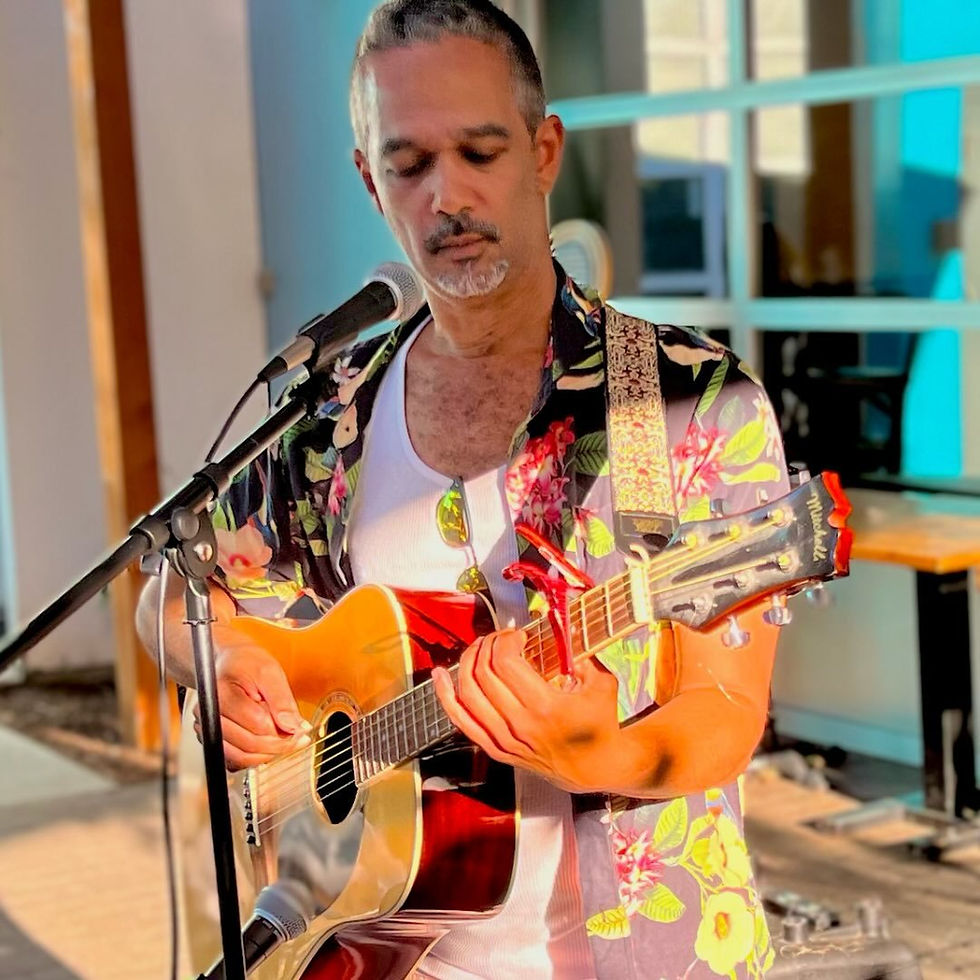
There’s something deeply unsettling about “This Is Wrong” by Matthew Flowers, and that discomfort is exactly what makes it hit so hard. Rather than writing a protest anthem full of slogans and certainty, Flowers takes a far riskier route. He documents the emotional paralysis that happens when fear, burnout, and constant chaos start eating away at a person’s ability to function.
Built around soft folk instrumentation, jazz-influenced textures, and a weary vocal performance that sounds genuinely drained, “This Is Wrong” feels less like a song and more like someone quietly unraveling in front of you. The production never becomes overwhelming. Instead, it lingers in this hauntingly intimate space, where every lyric lands heavier because everything feels so restrained.
What separates Flowers from a wave of politically charged singer-songwriters is his refusal to pretend he has answers. He openly leans into confusion, grief, numbness, and disillusionment. That honesty gives the track its weight. During a time where outrage has almost become performative online, “This Is Wrong” explores what happens to the people who emotionally shut down instead.
You can hear the influence of French chanson throughout the writing style, particularly in how cinematic and observational the lyrics feel. There’s also an old-school soulfulness embedded in the performance, which makes sense given Flowers’ family roots in Washington D.C.’s historic soul scene.
Most importantly, the song carries empathy. Flowers doesn’t judge people for feeling hopeless. He understands the psychological damage that modern society can inflict when people are trapped between fear, anger, isolation, and endless noise. “This Is Wrong” is not protest music for the streets. It’s protest music for the people quietly breaking down at home.
This Is Wrong” feels emotionally heavier than a traditional protest song. Did you intentionally want to focus more on psychological exhaustion rather than political outrage?
I’m from DC and have written my fair share of protest songs over the years, definitely fueled by outrage and defiance. With this song, I wanted to speak to people who feel like giving up, hiding, and staying silent in order to feel safer. But that safety is an illusion, and we all know it. I wrote this when I was in a deep depression, and I struggled with deciding to release it. But I think depression can be a healthy response to trauma, and I wanted to share this as an anthem of despair. It can’t all be rage and fists in the air. Sometimes we need a space to fall apart, and a soundtrack for our dark moments. Part of healing from depression is admitting it’s there, rather than being aggressive and overconfident, as we are trained to be in American society.
Your music blends folk, soul, jazz, and French chanson in a way that feels incredibly natural. How did artists like Serge Gainsbourg and Jacques Brel shape your songwriting approach?
Gainsbourg taught me the importance of word play, how to make little bilingual jokes, and how the resonance of words is like its own percussion. From Brel, I learned vocal drama and character building. He had an incredible talent for revealing both the personal, like “Jeff”, where he is consoling a friend in despair, and “Les Bourgeois", where he skewers the upper middle class. He was a master storyteller,, both in his lyrics and his melodies.
You talk openly about how lockdown affected your mental health and career. Was writing this song therapeutic, or did it force you to confront emotions you were trying to avoid?
Music is always therapeutic! When I first wrote this song, I thought I was singing about someone else — “look at this person avoiding the truth." But once it came to recording and releasing it, I realized: wow, this is actually my story. How could I not have seen that? I wanted to hide from all of it, to stay out of the fight, which was out of character for me. It was an indicator of how depressed I really was back then. In fact, I stayed isolated long after the lockdown; that’s how bad it was. Healing for me came from releasing the song, accepting what I had felt, and letting it go, so I could move forward. Now I’m part of the world again, and that numbness is gone.
There’s a recurring theme of grief throughout your work. Do you think modern society has lost its ability to process grief in a healthy way?
I think grief must be the most difficult thing for anyone across all societies and eras. There’s a bit of madness, a bit of self-pity, and a sense that you have somehow been diminished. On top of that, American society is so brutally optimistic and cheerful that there’s not enough space accorded for grief, but we still try. Some people are very talented at guiding us through that - public figures, artists, faith leaders - and I see more discussion of it on social media, which is a good sign. I think the next generation will be much more comfortable expressing their pain without shame, which was not allowed for us Gen X kids. I really hope they fight for that emotional space and never apologize.
The line between political awareness and emotional burnout feels thinner than ever right now. How do you personally protect your humanity without becoming numb to everything happening around you?
Turn off the computer, put the phone away, and go live in the physical world. I live in Oregon, so there are a million incredible places to hike, rivers you can swim in, street fairs, food, and concerts. I started reading again, especially history and biographies. People have survived much tougher times than this, so that really puts things in perspective. I talk to my friends and family regularly, having long rambling chats about whatever is on our minds. It pulls my focus off my own story and onto others, it reactivates my heart and gets me smiling again. And when I am on social media, I make sure to follow people and topics that inspire me. It’s not all bad news out there.