%20WHITE.png)

Search this site
13583 results found with an empty search
- Nicol River Explores Identity and Spiritual Discovery on “Human Being”
London-based singer, composer, and multi-instrumentalist Nicol River continues to carve out a distinctive space between contemporary folk and jazz with "Human Being," a deeply introspective composition that reflects years of artistic exploration. While the track has become one of River's defining works, it also marks the moment she believes she truly discovered her own musical voice, blending global influences with thoughtful songwriting to create something entirely her own. Rather than chasing convention, "Human Being" unfolds with patience and intention. A melodic bass line anchors the song as subtle touches of Indian classical music, including the rhythmic pulse of the tabla and expressive guitar phrasing inspired by the sitar, give the arrangement an organic sense of movement. The result is a composition that feels expansive without becoming overwhelming, allowing every musical choice to serve the song's emotional core. Lyrically, River reflects on identity, purpose, and spiritual awakening through a lens that feels philosophical without becoming inaccessible. Her warm contralto vocal carries the weight of each lyric with quiet confidence, inviting listeners into a space of reflection rather than offering easy answers. The gradual build toward the song's uplifting conclusion mirrors its central message: embracing uncertainty while remaining open to personal transformation. What makes "Human Being" especially compelling is its authenticity. River has shared that the song evolved over three years, emerging through intuition rather than strict musical theory. That organic creative process is evident throughout the recording, giving the track an honesty that resonates long after the final note. As both an accomplished educator and an artist committed to meaningful expression, Nicol River continues to prioritize substance over trends. "Human Being" is a beautifully crafted reminder that some of the most rewarding musical journeys begin not with certainty, but with curiosity, self-discovery, and a willingness to keep evolving.
- Firerose Finds Hope in Healing on "Love Knows How"
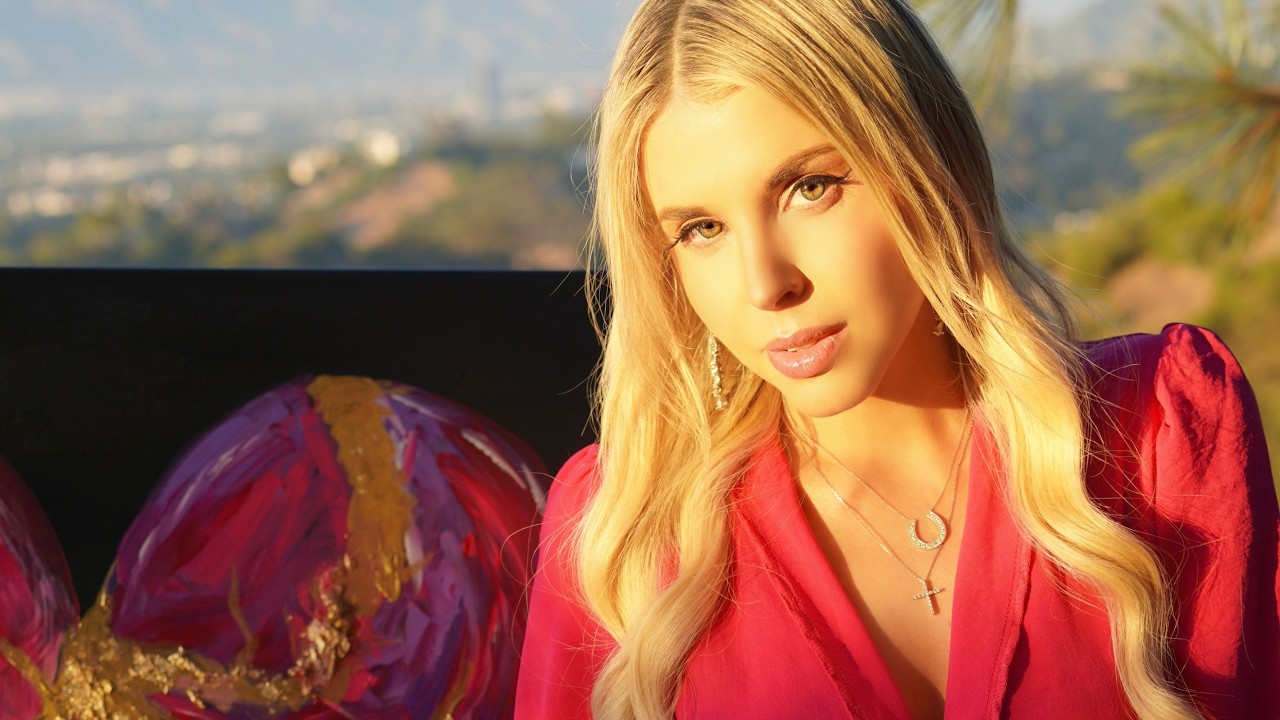
Firerose continues her musical journey in the next chapter with "Love Knows How," a heartfelt pop ballad. Following the release of songs centered on resilience and self-discovery, her latest single shifts the focus toward what comes after survival, offering a message of healing, grace, and learning to trust again. Built around a simple yet powerful chorus, "Love Knows How" explores the slow process of putting a broken heart back together. Rather than promising quick fixes, Firerose acknowledges that healing takes time. The song speaks to anyone who has experienced loss, betrayal, or emotional pain, reminding listeners that even life's deepest wounds don't have to define the future. Vocally, Firerose delivers one of her most personal performances to date. Her voice carries a quiet strength that never feels forced, allowing the emotion behind every lyric to come through naturally. The production stays understated, giving the song space to breathe while creating an atmosphere that feels both intimate and uplifting. The accompanying music video adds another layer to the story. Directed by Firerose herself, it features her painting a shattered heart that is carefully restored with gold, inspired by the Japanese art of kintsugi. It's a fitting visual for a song built around the idea that our scars don't have to be hidden; they can become part of what makes us stronger. What makes "Love Knows How" stand out is its honesty. Firerose doesn't pretend healing is easy, nor does she ignore the pain that comes before it. Instead, she focuses on the hope that can grow from difficult experiences, creating a song that feels comforting without becoming overly sentimental. With "Love Knows How," Firerose continues to prove that some of the most meaningful pop songs aren't driven by spectacle but by truth. It's a moving reminder that while heartbreak may change us, love still has the power to rebuild what once felt beyond repair. “Love Knows How" explores what comes after surviving heartbreak. Was there a specific moment in your life when you realized healing had truly begun, and how did that shape this song? Healing from abuse is a specific and acute kind of heartbreak to heal from. You’re literally learning to trust yourself again, and you’re also learning to accept that your heart itself, was used as a weapon to hurt you by someone who intended to do so. That harsh reality takes time to process. I wrote Love Knows How about that long healing journey, and how although you can’t change what’s happened to you, you can choose not to let those scars define you. You can, in fact, use the wisdom that the deepest cuts gave you to help others survive what you did. The music video uses the image of a broken heart restored with gold, inspired by kintsugi. Why did that symbolism resonate so deeply with your own story, and what do you hope viewers take away from it? I always felt that kintsugi was one of the most beautiful artistic representations of beauty from ashes. I’m an artist to my core, and there’s nothing more powerful to me than being able to creatively alchemize something that was intended to destroy us, and turn it into something meaningful instead. That’s gold to me. It means the world to me when I hear from people that my music is inspiring them to get through the impossible. It was so fun to get to paint for the first time in one of my videos too! I’m honored that the imagery is resonating with others’ souls. Your recent releases have formed a powerful arc, from finding your own strength to choosing faith and now embracing healing. Was that progression intentional, or did these songs naturally reveal themselves in that order? I’d love to say it was intentional, but it’s really just the natural evolution of my artistic process. Ever since I can remember, I wrote songs to process life, always seeking a deeper understanding and the meaning behind the things we go through. My recent releases, Shining Armor, Do Not Be Afraid, and now Love Knows How, tell a very personal story that only the raw truth can. I’m always searching for some wisdom and the silver lining in anything, no matter how dark. That’s just my optimistic nature, so it’s very much reflected in my lyrics and melodies. I always create with the intention of uplifting others. You've started speaking more openly about your personal experiences and have built a community of people who relate to your story. How has hearing from other survivors influenced your songwriting and your purpose as an artist? I struggle to find words strong enough to express how truly much it means to me when I hear from so many survivors that my art is having a direct impact on their lives. Hearing that sharing my story is helping them find courage to leave their abusers, survive, and hope again is profound. With thousands of survivors relating, I feel a great responsibility because one of the common things about abuse is that your voice is purposefully taken from you. So by using my voice again to speak truth, write truth, and sing truth, to be a voice for the voiceless, it’s an honor that I take very seriously. Many artists write about heartbreak, but "Love Knows How" focuses on restoration instead of the pain itself. Why was it important for you to tell the story of what comes after the hardest chapter, rather than staying in it? I believe that our broken parts can either destroy us or become fuel to empower us. The excruciating things we never thought we’d survive, with a lot of hard work, faith, and resilience, can become our most relatable and transformative testimony. I’ve made it through some extremely hard seasons in my life, some that lasted years and at the time looked like they’d be the end of me. The fact that now I’m in a better place than ever, creating every day and only just getting started, is nothing short of a miracle. No matter how insanely dark it’s gotten, I never stopped reaching for the light. That’s what I want people to feel when they hear my music: the relentless pursuit of divine light.
- Douyé Invites Listeners to Slow Down and Savor the Moment on ‘Stay With Me’
In an era where music often competes for attention through volume and speed, Douyé takes the opposite approach. On Stay With Me, the internationally acclaimed jazz vocalist embraces the quiet power of timeless songwriting, delivering an album that feels both deeply personal and universally inviting. Built around themes of love, hope, vulnerability, and human connection, Stay With Me captures the essence of jazz as a living conversation rather than a museum piece. Douyé's expressive vocal delivery never overshadows the songs themselves. Instead, she allows every lyric to breathe, creating performances rooted in sincerity, warmth, and emotional nuance. What makes the album particularly compelling is its accessibility. While longtime jazz listeners will appreciate its respect for the genre's rich traditions, newcomers will find an inviting entry point through elegant arrangements and heartfelt storytelling. Rather than reinventing jazz, Douyé reminds listeners why its emotional honesty continues to resonate across generations. Her artistic vision is perhaps best summarized in her own words: "I hope people walk away reminded that great jazz never loses its ability to connect us." That philosophy echoes throughout every performance, making Stay With Me feel less like a collection of recordings and more like an intimate shared experience. With the album's release, Douyé continues to establish herself as one of contemporary jazz's most authentic voices. Fans will also have the opportunity to experience these songs live when she performs in Redondo Beach, California, on July 11, where the intimacy and emotional depth of Stay With Me are likely to resonate even more powerfully.
- Keeymo Turns Personal Betrayal Into One of His Most Compelling Releases Yet with "RAT50"
Toronto artist Keeymo is entering a defining chapter of his career with the release of "RAT50," a deeply personal new single that arrives as he continues building momentum following his distribution deal with Authentic Empire Global alongside industry executive Boomman. More than just another release, "RAT50" signals an artist leaning fully into vulnerability while refusing to let life's obstacles interrupt his creative momentum. Inspired by the collapse of a real-life friendship, "RAT50" transforms betrayal into an introspective record that examines loyalty, trust, and the emotional aftermath of discovering someone was never truly in your corner. The title itself references a former friend whose actions permanently shifted Keeymo's perspective, giving the record an authenticity that immediately cuts through. Produced by Andre Mina, the instrumental creates an uneasy atmosphere that mirrors the weight of the story without overwhelming it. Dark textures, restrained melodies, and hard-hitting percussion provide the perfect backdrop for Keeymo's reflective delivery, allowing every lyric to land with purpose. Rather than relying solely on aggression, he balances frustration with moments of self-awareness, making the record feel far more layered than a typical betrayal anthem. What makes "RAT50" resonate is its emotional honesty. Instead of glorifying conflict, Keeymo focuses on the difficult lessons that betrayal leaves behind. His performance carries the conviction of someone documenting lived experience rather than simply telling a story, giving the song a level of credibility that can't be manufactured. For an artist still carving out his place in hip-hop, "RAT50" feels like an important statement. It's raw without feeling reckless, introspective without losing its edge, and ultimately positions Keeymo as an artist whose strongest music comes from telling the truth, no matter how uncomfortable it may be. "RAT50" is rooted in a real friendship that fell apart. At what point did you realize this experience needed to become a song rather than remain a personal chapter of your life? It became a song the second I saw everything for what it really was. Being on house arrest for 11 months, you ain’t got nothing but time to watch people move. That’s when the fake starts separating itself from the real. People who swore they were solid started switching up and going back on their own word. That told me everything I needed to know. I don’t really do the back-and-forth. I’d rather put it in the music and let the record speak. RAT50 is me getting that off my chest from my point of view. The message is simple: your homie ain’t always your homie. Loyalty gets talked about every day, but when pressure hits, that’s when you find out who’s really built like that.This record came from a real place. I lived it, I felt it, and I turned it into something people can hear every time they press play. Loyalty is one of the biggest themes throughout the record. How has your definition of loyalty changed since the events that inspired "Rat50," both personally and professionally? My definition of loyalty got a lot smaller. I used to think loyalty was what people said. Now I judge it by what they do when things get ugly. Anybody can be around when everything’s going right. It’s different when you’re on house arrest, when life slows down, and people don’t get nothing out of being around you. That’s when you see who’s really locked in. Personally, I move different now. My circle got smaller, but it’s real. Professionally, it’s the same. The production creates a dark, uneasy atmosphere that perfectly matches the lyrics. What was the creative process like working with Andre Mina to make sure the emotion of the story came through sonically? Working with Andre Mina was easy because he understood the energy I was trying to bring before I even had to overexplain it. I told him I didn’t want the beat to sound comfortable; I wanted it to feel like the situation. Dark, tense, and like something was always about to happen. The sound is underground, but it’s also something fresh. We weren’t chasing trends. We wanted people to feel the emotion before they even caught every word. That’s what makes RAT50 hit different. You're releasing new music during a particularly challenging period in your life. How has creating music helped you stay focused, and has this chapter changed the kind of artist you want to become? Music kept me locked in when everything else around me felt out of my control. Being on house arrest can either break you or make you sharper. For me, it became fuel; Instead of letting the situation define me, I put it into the music.This chapter definitely changed me as an artist. I’m not interested in making records just to make records anymore. I want every song to mean something. I want people to hear my music and know it’s coming from somebody who’s actually lived what he’s talking about. At the end of the day, RAT50 isn’t just about one situation; it’s about growth. It’s about seeing people for who they are, staying solid, and keeping your eyes on where you’re headed. That’s why one of my favorite lines is, “These dudes mess with cops, I’m messing with Nashville.” While everybody else is caught up in their own moves, I’m focused on taking my music to the next level. "RAT50" feels like more than just a song about betrayal. It's also about resilience and moving forward. If listeners take away one message after hearing it, what do you hope stays with them long after the music ends? I hope people walk away realizing that not every loss is really a loss. Sometimes people remove themselves from your life, and that’s a blessing in disguise. Everybody isn’t meant to go where you’re headed.
- Jay Diener Finds the Bright Side of Human Connection on New Single "One In A Million"
At a time when much of today's music leans into heartbreak and conflict, Jay Diener is taking a different approach. The New Jersey artist has released "One In A Million," a new single that places gratitude, connection, and optimism at the center of its message. The release continues Diener's evolution as an independent artist whose music consistently balances heartfelt storytelling with an unmistakable sense of personality. While Jay's career was born from personal tragedy following the loss of his mother to leukemia, his latest release chooses hope over sorrow. Rather than dwelling on life's hardships, "One In A Million" celebrates the people and moments that remind us why genuine connection remains one of life's greatest gifts. Musically, the single reflects the same uplifting spirit. Blending polished pop melodies with elements of indie-pop and pop-rap, Diener creates a sound that feels bright, effortless, and immediately inviting. The production never overwhelms the song's message, instead allowing its memorable hooks and warm atmosphere to carry the listener from beginning to end. One of the record's greatest strengths is its openness. Instead of prescribing a specific narrative, Diener intentionally leaves room for listeners to connect the song with their own experiences. Whether "One In A Million" reminds someone of a partner, a lifelong friend, a family member, or simply a defining moment in life, the message remains universal because it belongs to whoever hears it. That sincerity has become one of Diener's defining qualities as an artist. His music embraces authenticity without becoming overly sentimental, delivering songs that feel genuine rather than manufactured. It's a refreshing approach in a landscape where emotional honesty often competes with spectacle. With "One In A Million," Jay Diener offers more than another catchy single. He delivers a thoughtful reminder to appreciate the people who make life richer, proving that sometimes the simplest messages are the ones that resonate the longest. "One In A Million" leaves its message open to interpretation rather than telling listeners exactly what to feel. Why was it important to create space for people to make the song their own? I've always believed that the best songs become part of someone else's story. Rather than telling people exactly what "One In A Million" means, I wanted to leave room for them to connect it to a person, a memory, or a moment in their own lives. If listeners can find their own meaning in it, I think the song has a better chance of staying with them long after it's over. Your music career was shaped by personal loss, yet your songs often lean toward optimism. How do you balance writing from difficult experiences while still creating music that leaves people feeling hopeful? Losing my mom changed the way I look at life, and there are definitely songs where I lean into pain, uncertainty, or difficult emotions because that's part of being human. At the same time, I never want to leave people without hope. Even when a song comes from a difficult place, I try to find something honest or uplifting within it. If someone finishes one of my songs feeling a little lighter than when they started, that's something I'm really proud of. Your artistic personality blends humor, unpredictability, and heartfelt songwriting. How do those different sides of you come together during the creative process without feeling forced? That's a great question; I don't think I've ever been asked that before. I've never really separated those sides of myself; they're all just part of who I am. I've always had a pretty random sense of humor and enjoy keeping people on their toes, but I also care deeply about writing songs that actually mean something. To me, life is a mix of both. Some moments make you laugh, some make you reflect, and I like making music that leaves room for both. In an era where many artists chase trends and algorithms, you've carved out a lane that's unapologetically your own. How important is originality to your identity, and have you ever felt pressure to conform to what's popular? I think every artist feels that pressure at some point, especially with how fast things move today. I pay attention to how people discover music, but I never want trends to decide what I create. For me, originality isn't about trying to be different; it's about making music that feels true to who I am. I'd rather build something authentic than chase a moment that doesn't really fit me. If someone discovers Jay Diener for the first time through "One In A Million," what do you hope they understand about you as both an artist and a person before the song ends? I hope they come away feeling like they've gotten to know me a little, not just as an artist, but as a person. More than anything, I want people to hear someone who's genuine, who loves making music, and who wants to add something positive to someone's day. If they finish the song with a smile, a chorus they can't get out of their head, or simply a few minutes that made their day a little brighter, that's the greatest compliment I could ask for.
- Why Crash Games Are So Similar to Indie Music
The last thing you think of when you're discussing Indie music is online casino games like jackpot city aviator, but you'll be surprised by how many common traits these two seemingly completely different experiences share. When you look at how major game studios and mainstream entertainment tend to rely on exorbitant budgets and flashy marketing, it's quite refreshing to see how crash games managed to make a name for themselves by intentionally stripping everything away. Sound familiar? Minimalist Aesthetics Over High Budget Productions Crash games like JackpotCity Aviator have completely discarded the over-produced spectacles that you'd normally associate with online casinos in favor of a more minimalist experience, similar to how an Indie artist can record an album on a laptop in their bedroom. Just like a raw acoustic track can rely on nothing more than a single melody as opposed to contracting an entire 50-piece orchestra, Crash Games keep it raw and authentic with: A clean interface A basic red plane A single climbing number Soft, non-distracting background music This is a sharp contrast when you compare it to other online casino games with their overly complex paylines, flashing lights and loud, overwhelming animations. It strips away the noise to focus on the core experience. Bypassing the Corporate Mainstream Formula The mainstream entertainment industry has always played it safe by relying on predictable, recycled formulas as a way to avoid taking financial risks. But Indie music and crash games have both chosen to actively disrupt these patterns. For decades, online casinos were dominated by traditional slot games where you spin a reel and then sit by passively and hope for the best. Crash games like Jackpot City Aviator have broken out of that mold by giving you control and making it an interactive experience. By giving you the power to decide when to pull the plug and cash out, these games have created a highly exhilarating, tense decision-making experience that doesn't conform to the norm. It's like when a band changes tempo in the middle of a song or avoids the standard verse-chorus structures to create a more authentic experience. The "Provably Fair" Garage Band Mindset Far removed from the mysterious boardrooms of major labels, Indie music is built on a culture of transparency, mutual respect and direct-to-fan authenticity. You know exactly what you're getting and where it comes from. This is very reminiscent of the provably fair systems implemented by crash games like Jackpot City Aviator that use a Random Number Generator (RNG) to ensure fairness in every game. This cryptographic technology means you can: Independently audit the results of every game Ascertain for yourself that the results are truly random and not rigged This openness and transparency are akin to the band that stands and the merch table after the gig, chatting to fans directly. There's no smokescreen or mystery surrounding the experience, and this helps build trust. Grassroots and Shared Underground Communities Indie music is rarely ever pushed by massive radio stations and instead relies on the tight-knit community to spread their art through the word-of-mouth underground scenes, where everyone feels like they belong to an elite club. Playing a game of Jackpot City Aviator feels like screaming the lyrics to a song along with a couple of hundred other people in a cramped, sweaty basement venue. The shared experience created through the multiplayer features has turned this game into a live-streamed spectator event. It's a far cry from the traditional online slot games that were normally very isolating because it was just you against an algorithm. The live multi-player feeds and chatrooms integrated into the games make it a community experience that's very reminiscent of attending a live show. You get to celebrate together when the plane hits a massive multiplier and share in a collective groan when it crashes out unexpectedly early. Something For the Rebels Not everyone is attracted to or interested in mainstream entertainment, and the thriving Indie music scene is proof of that. While the traditional online casino games have their market, some are looking for something a little different. Something a little less polished that feels more like an experience than a performance. For these people, crash games like Jackpot City Aviator have become a popular choice because they strip away all of the clutter and leave nothing but the core of the experience. It feels more raw and authentic than a high-definition video slot when you're feeling a little overwhelmed by all the flashing lights and blaring sounds. Indie music and crash games go against the corporate formula by charting their own course and creating unique experiences that resonate with people who are looking for something a little different.
- KINGS & Kelli Strawbridge Bring Vintage Funk Back to Life on "Take Me Over"
At a time when so much modern R&B leans into polished minimalism, KINGS and Kelli Strawbridge are looking in the opposite direction. Their single "Take Me Over" embraces the colorful, groove-heavy spirit of funk's golden era, delivering a playful love song that could have soundtracked a packed dance floor decades ago while remaining effortlessly enjoyable today. The Richmond, Virginia collaboration between producer DJ Harrison and vocalist Kelli Strawbridge is rooted in deep musical appreciation. Drawing inspiration from legendary acts like Rick James, Prince, Cameo, Slave, Con Funk Shun, Don Blackman, and The Gap Band, "Take Me Over" doesn't simply imitate its influences. Instead, it captures the energy, musicianship, and personality that made those records timeless. Built around infectious bass lines, tight rhythms, and vibrant instrumentation, the track immediately invites listeners to move. Lyrically, it's an entertaining tale of someone confidently pursuing a romantic interest, embracing the charm and charisma that defined many classic funk records. There's a refreshing sense of fun throughout, reminding listeners that love songs don't always have to be emotionally heavy to leave an impression. What makes the release especially rewarding is its authenticity. Rather than chasing current trends, KINGS fully commits to celebrating an era of music that continues to inspire generations of musicians. Every groove feels intentional, and every performance reflects a genuine passion for the genre's rich history. Originally released through Ropeadope Records as part of the KINGS album, "Take Me Over" continues to resonate thanks to its timeless sound. It's the kind of record that encourages listeners to dust off their vinyl collection, revisit funk's greatest classics, and appreciate the enduring power of musicianship that never goes out of style. "Take Me Over" feels like a genuine celebration of classic funk rather than simply borrowing from it. What elements of that era were most important for you to preserve, and where did you want to put your own stamp on the sound? Kelli: There are so many elements to the classic funk sound, but this song has elements of Cameo and Prince to me. Cameo, before they switched up to drum machines, would use a tight, dry drum sound, but their keyboards and guitars would be percussive and lush at the same time, plus the electric bass was always popping. My personal stamp on the sound is my lyrics and the melodic style of delivering the hooks. The imagination plays a big part with the lyrics, and I definitely want the lyrics to sound and feel good, but I hope people also think about whatever it is I'm talking about and the illusion or delusion, if you will. You draw inspiration from artists like Rick James, Prince, Cameo, and The Gap Band. Was there a particular record or moment during the making of "Take Me Over" that made you think, "We're capturing the feeling we were chasing"? Kelli: The idea is to do that in every song, and once we got Sam Reed and Nigel Hall to add to the mix, we definitely felt like this could make some impact. Sam Reed's vocal style is already solidified, so it brings the song to a new level, and Nigel, he literally nailed the Rick James vocal approach, which was the approach we had no idea we needed haha, but dammit it works so well. At a time when so much music is created digitally and quickly, your recordings emphasize live musicianship and groove. Why do you think that style still resonates with listeners today? Kelli: Having real instruments on your record, even if they are processed with digital or analog effects, it sounds like breathing. The breathing, the tension and release, the intimacy of live instruments is sorely missed on the radio; there are artists like Olivia Dean, Alex Isley, and Leon Bridges that are bringing that vibe back to the music and on the airwaves. It's like vinyl coming back; the phone screen is helpful and handy, but the actual art of looking at the credits is just the same as adding a real instrument to the music; it's a raw element of music unfolding that cannot be replaced. KINGS is built around collaboration, with DJ Harrison's production and Kelli Strawbridge's vocals creating a distinct chemistry. How do your different creative strengths complement one another when you're writing and recording together? Kelli: Well, I'm also a drummer and keyboardist, and I love to mess around with all other instruments, and I do my own solo music as well. So when I get to hang with DJ Harrison, it's like going to a good restaurant where the food is already done; you just get to pick what you want! In other words, I take pleasure in just listening to what he does. DJ Harrison does music with words and instrumentals, but I think he appreciates people bringing different vibes to his music. And when it really works, the artist really takes ownership of that music, and DJ enjoys that, I think. Funk has always been about more than just making people dance; it carries personality, confidence, and joy. What do you hope modern listeners, especially those discovering the genre for the first time through your music, take away from "Take Me Over"? Kelli: People can take what they want nowadays; I just hope they enjoy it, dive into both of our catalogs of music, and hopefully it can enlighten them to related artists or our inspirations and add it to their cookout playlists!
- Joshua Alxndr Finds Strength in Starting Over on "Brand New"
Walking away is rarely as simple as it sounds. Even when the signs are clear, people often stay in relationships, careers, or situations that no longer serve them because the fear of change outweighs the discomfort of staying. On his latest single, "Brand New," Canadian independent artist Joshua Alxndr transforms that emotional crossroads into an intimate and empowering R&B anthem about choosing yourself. Blending contemporary R&B, pop, and soul, Joshua delivers a performance that feels sincere rather than performative. His vocals carry a quiet confidence, allowing the emotion behind every lyric to take center stage without relying on unnecessary vocal theatrics. It's a restrained approach that gives the song its emotional weight, inviting listeners to sit with their own experiences rather than simply observe his. What makes "Brand New" particularly compelling is its balance between vulnerability and hope. The production creates a tension that mirrors the uncertainty of letting go, while subtle melodic shifts gradually introduce a sense of optimism. That progression reflects the song's central message: healing doesn't happen all at once, but every new beginning starts with a difficult decision. Joshua's songwriting also avoids clichés by focusing on emotional honesty over dramatic storytelling. Rather than assigning blame, he explores the internal conversations that lead up to someone finally deciding they deserve better. With influences ranging from Michael Jackson's artistry to the melodic craftsmanship of Usher and Chris Brown, Joshua Alxndr continues carving out his own identity. "Brand New" isn't simply a breakup song. It's a reminder that growth often begins the moment we stop waiting for things to change and choose to change ourselves instead. “Brand New” is about choosing yourself over familiarity. Was there a specific experience that inspired the song, or is it a reflection of multiple chapters in your life? Brand New is a reflection of multiple chapters in my life, but there was one experience that really became the catalyst for the song. Years ago, I was seeing someone I genuinely cared about. We connected effortlessly, had so much in common, and everything felt like it was moving in the right direction. Then one day we had an argument. I figured we’d do what most couples do: take some time to cool off and come back together to work through it. Instead, she chose to get involved with someone else simply because she was angry with me. That moment changed a lot for me. I was hurt and disappointed, but I also realized that sometimes the strongest thing you can do is walk away. I didn’t ask for an explanation or try to convince her to stay. I just accepted what happened and kept moving forward. Looking back, that experience became bigger than heartbreak. It taught me about self-worth and choosing peace over familiarity. That’s really what Brand New is about. It’s about understanding that sometimes the hardest decision is also the healthiest one, and believing that by letting go of what no longer serves you, you’re creating space for something better. Your music consistently focuses on emotional honesty rather than trends. How do you know when a song feels authentic enough to release? I have a small circle of people I trust who hear my music before anyone else. The biggest test isn’t whether they tell me they like the song, it’s whether they can describe the exact emotions I was trying to communicate without me having to explain them. When someone says, “I’ve been through this,” or tells me it reminds them of a chapter in their own life, I know the song has done its job. That’s the moment it stops being just my story and becomes something people can make their own. I’ve never wanted to chase trends. Trends come and go, but honesty lasts. If a song feels genuine and has the ability to make someone feel seen, then I know it’s ready to be released. You cite Michael Jackson, Usher, and Chris Brown as influences. What lessons have you taken from each artist that continue to shape your own sound? Each of those artists inspired me for different reasons. Growing up, Michael Jackson showed me what it meant to be a true performer. The way he commanded a stage, told stories through movement, and made every performance feel like an unforgettable experience made me fall in love with entertaining. Before I even wanted to become a singer, I wanted to dance because of him. Then artists like Usher and Chris Brown came along and expanded that vision. Their vocal styles, musical versatility, and ability to blend incredible performances with genuine emotion showed me what kind of artist I wanted to become. The biggest lesson I’ve taken from all of them, though, is the importance of vulnerability. Behind all the choreography, production, and performances was honesty. They weren’t afraid to express love, heartbreak, confidence, or pain, and that’s something I carry into my own music. I want every song to feel like a real conversation. Whether I’m celebrating, hurting, or growing, I want listeners to hear the truth because I believe people connect with authenticity more than perfection. The production on “Brand New” builds tension before arriving at hope. How intentional was that sonic journey while creating the record? It was completely intentional. Whenever I write a song, I don’t just think about the lyrics; I think about the emotional journey I want listeners to experience from beginning to end. I want people to feel like they’re stepping into the story with me, almost like they’re living those moments in real time. With Brand New, I wanted the production to mirror the emotional progression of the lyrics. It starts with uncertainty and emotional tension before gradually opening up into something more freeing and hopeful. That transition reflects the journey of choosing yourself. The production and lyrics were always meant to work together so that listeners don’t just hear the message; they feel it. You talk about wanting listeners to feel understood after hearing your music. What’s the most meaningful piece of feedback you’ve received from someone who connected with one of your songs? I’m still at the beginning of my journey as an artist, so I don’t think I’ve experienced that defining moment just yet, and honestly, I’m looking forward to the day it happens. Even now, though, hearing someone tell me, “It feels like you wrote this song about my life,” means everything to me. That’s when I know the music has connected on a deeper level. At the end of the day, that’s the impact I hope to have with every release. If someone can put on one of my songs after a difficult day and feel understood, comforted, or simply reminded that they aren’t alone, then I’ve accomplished exactly what I set out to do as an artist.
- The Subtheory Sounds the Alarm on Information Overload with "Things That Caught My Attention"
There's a feeling many people know all too well: spending hours consuming news, social media posts, opinions, and headlines only to realize none of it has actually been processed. On "Things That Caught My Attention," Oxford-based outfit The Subtheory transforms that modern condition into a dark, hypnotic listening experience. Blending trip-hop, post-punk, and psych-pop influences, the band's latest release feels like the soundtrack to a mind overwhelmed by information. Thick basslines pulse beneath anxious rhythms while moody textures swirl around vocals that sound both detached and urgently present. It's a track that doesn't simply describe the chaos of modern life; it immerses listeners inside it. Inspired by the relentless barrage of media, doomscrolling, and competing narratives that define contemporary culture, "Things That Caught My Attention" examines what happens when we absorb everything and process nothing. The song captures the exhaustion of living in an era where every platform demands attention, every headline competes for outrage, and every voice claims to have the truth. What makes the track particularly effective is that it avoids becoming purely cynical. While much of the song explores confusion, manipulation, and social fragmentation, The Subtheory ultimately leaves room for hope. Beneath the darkness is a message about connection and shared humanity, suggesting that the noise dividing us may not be as powerful as we're led to believe. Drawing from influences like Massive Attack, Portishead, Tricky, and Radiohead, The Subtheory continues to refine their distinctive sound, one that feels cinematic, unsettling, and strangely addictive all at once. As the band prepares for the release of their second album, the follow-up to 2024's Shark Tank, "Things That Caught My Attention" arrives as both a warning and a reflection. In a world constantly fighting for our attention, The Subtheory remind us that sometimes the most radical act is simply stopping long enough to think for ourselves. "Things That Caught My Attention" feels like a response to information overload and modern media culture. Was there a specific moment when you realized you were consuming more information than you were actually processing? It’s hard to say if there was a specific moment; it felt more like a creeping sense of overwhelm. We’re assaulted 24/7 by things vying for our attention. It’s shaping the way we see the world, and it feels like we’re being told to perceive things in a certain way, to fit a certain agenda. The truth can’t compete with the litany of lies and manipulation; it’s just not up to the job. When we don’t know what is true anymore, it then becomes easy to believe nothing. When we believe nothing, we believe anything. If you can keep the people in a state of credulity, then nothing is beyond the realms of possibility. That’s a long way to say that I feel like I’ve somehow sleepwalked into this. The song explores themes of manipulation, doomscrolling, and living in what you describe as "post-truth times." Do you think people are becoming more aware of these influences, or are we getting better at accepting them as normal? The documentarian Adam Curtis made a brilliant film called Hypernormalisation, which I think best describes the state of the world right now. We all know that these times are strange and fake, but we all go along with it as it’s easier than facing the complexities of the real world. I think on some level we are all aware that we are being influenced by outside forces, but we choose to live a “simpler” life by accepting this. The question we should be asking ourselves is whether our lives are better off than they were. Despite its darker themes, the song ultimately lands on a message of unity and hope. Why was it important for you to leave listeners with optimism rather than cynicism? I don’t believe that any situation is too far gone; we hold the power ultimately. It just starts with us realizing that we are stronger together than divided. The issue we all have is cutting through the noise to get to the heart of what really matters. Humanity matters, people matter. I don’t pretend to have the answers, but I feel we have a much better chance of helping each other out and seeing things from each other's point of view rather than pulling up the ladder and building walls around ourselves. Imagine how we’d treat each other if we realized we’re all connected? Imagine what we could achieve? The Subtheory draws from artists like Massive Attack, Portishead, Tricky, and Radiohead, but this track still feels distinctly current. How do you balance those classic influences with the realities of the world we're living in today? We really are a melting pot of influences; each of us brings something different to the table. I happen to take lead vocals on this track, but normally that’s Cate’s domain. She brings an often fragile, ethereal melodic quality to our music; I just tend to lean more into the restless, shouty side of things. I like to think of influences as roots of a tree that provide the foundations for what’s to come; we may be a little way away from them timewise, but we wouldn’t exist without them holding us up on their shoulders. As you work toward your second album, what role does "Things That Caught My Attention" play within the larger project? Is it setting the tone for what's to come, or is it just one piece of a much bigger conversation? On the surface, it’s quite different from what’s come before, but it’s really just reflecting a different side of the music we want to make. Everything we do is real and from the heart, so if we feel something, we want to reflect that in the music. It’s easy to get trapped into the idea of what a genre should sound like, but I want to make music that flows like a conversation or a series of conversations. Related but not always exactly the same. I wouldn’t want to limit ourselves by only sticking to our lane.
- Sam Macdonald and Rachel Hill Capture the Rush of New Romance on "Starry Eyed"
After taking a short break from releasing music, UK producer Sam Macdonald is back with a fresh creative chapter, beginning with the release of "Starry Eyed," a vibrant new collaboration featuring singer-songwriter Rachel Hill. As the first of several dance-pop releases planned throughout the summer, the single signals an exciting return for the award-winning producer while showcasing the effortless chemistry between two artists from very different musical backgrounds. Built around the exhilarating feeling of unexpected attraction, "Starry Eyed" pairs Macdonald's polished production with Hill's warm, expressive vocals to create a track that feels instantly uplifting. While Macdonald draws inspiration from contemporary pop alongside shimmering 80s funk and synth-pop influences, Hill brings an emotional sincerity that keeps the song grounded, transforming an infectious melody into something genuinely memorable. There is a certain kind of chemistry that can't be manufactured. It either exists the moment two artists come together, or it doesn't. On "Starry Eyed," Macdonald and Hill prove they have plenty of it, delivering a single that feels effortless from its first shimmering synth to its final harmony. That emotion comes alive through Rachel Hill's performance. Known for her folk roots and intricate live vocal looping, Hill steps comfortably into a more contemporary pop landscape, bringing warmth and authenticity that elevate every lyric. Her layered harmonies glide across Macdonald's production, capturing the intoxicating feeling of meeting someone who completely disrupts your emotional equilibrium. It's playful, romantic, and refreshingly sincere without becoming overly sentimental. Lyrically, "Starry Eyed" embraces the rush of giving into a connection before overthinking it. Rather than complicating the narrative, the song celebrates those moments when emotion wins over logic, delivering a chorus that feels tailor-made for repeat listens. With Rachel Hill also preparing for her next UK tour in support of her upcoming album, both artists enter exciting new chapters in their careers. Together, "Starry Eyed" serves as a reminder that the strongest collaborations are often the ones that feel completely natural, resulting in a release that is as emotionally engaging as it is endlessly replayable. "Starry Eyed" captures that split second when attraction completely changes your perspective. Was there a real-life moment that sparked the story, or is it more of a universal feeling you wanted to explore? Starry-eyed came about as a track written to brief for a food advert initially, so we wanted to explore a metaphor that could be applied to food as well as interpersonal attraction. I (Rachel) wanted the lyrics to be as universal as possible whilst also painting a picture of that moment you wake up and can’t think about anything except that one person you have just connected with. After taking a short break from releasing music, what did that time away teach you creatively, and how has it influenced the direction you're taking with this new chapter? Taking a break from releasing music resulted from a creative block period. This time allowed me to appreciate other hobbies and interests that I’ve not really spent a lot of time on. The break helped me reset and come back with fresh ideas and a proactive attitude of completing unfinished ideas that were sat on the hard drive. The break not only helped creatively, but more importantly, it helped with a change of mindset when working on music; I used to be overly critical of my own work, which resulted in having a creative block. Rachel, your background as a folk singer-songwriter brings a different emotional texture to the track. How did you approach stepping into Sam's pop-driven world while still staying true to your own artistic identity? I’ve experimented quite a lot with different genres when writing for briefs in the past but this is one of the first that has made it all the way to release day! I loved stepping into a different persona in this song and experimenting with flirtatious lyrics. Sam’s production really brings the energy that gives a songwriter confidence to step outside of their comfort zone. I’ve still been able to incorporate vocal textures and harmonic layering that feels authentic to me and my writing. The production on "Starry Eyed" feels nostalgic while remaining unmistakably modern. How intentional was that balance, and which musical influences helped shape the final sound? Production-wise, it was intentional from the get-go that I wanted to blend the feeling of nostalgia with a modern groove. The main influences were Rosé by Call Me Loop and Love On by Selena Gomez, which have a similar modernized nostalgic feeling. The choice of sounds, chord structures and percussive elements used in those songs inspired me to take Starry Eyed in that direction. To fully immerse myself in the retro pop world, it would have been amazing to use a Roland Juno or a Jupiter on the track. However, I worked with the tools that I had, and I’m still satisfied with the end result! This single marks the beginning of a busy year for both of you. Looking ahead, what excites you most about what's coming next, and what do you hope listeners will discover as they continue following your journey? Sam: Even though this is the first track I’ve released in 2026, I still have a few more singles planned for this year. These tracks are still in the same realm as retro pop but are very different to Starry Eyed. Rachel: I hope listeners find this release refreshingly different from the rest of my personal catalog. I love proving myself to be more than ‘just’ a folk artist.