%20WHITE.png)

Search this site
13583 results found with an empty search
- U.S. College Radio Stations Accepting Independent Artists Right Now
Independent artists spend so much time chasing Spotify playlists that a lot of them completely overlook one of the few music discovery systems that still feels human: college radio. And honestly, that’s a mistake. While the industry keeps pushing artists deeper into algorithm warfare, college radio stations are still being run by actual music fans, student curators, underground scene supporters, and DJs actively looking for something new before everyone else finds it. No fake engagement. No pay-to-play playlist politics. Just people searching for records they genuinely want to champion. For decades, college radio has been responsible for helping launch independent artists long before the mainstream caught on. Nirvana, R.E.M., Radiohead, MF DOOM, Death Cab for Cutie, and countless underground acts all benefited from early support in these spaces. That culture never disappeared. Most artists just stopped paying attention to it. A lot of these stations actively accept submissions from independent musicians, especially artists creating alternative, hip-hop, punk, indie rock, electronic, experimental, folk, and genre-bending music outside traditional industry systems. If your music actually has identity and substance, college radio can still become one of the strongest grassroots tools in your rollout. Here are U.S. college radio stations independent artists should absolutely have on their radar right now. WEGL (Auburn, AL) Auburn University’s long-running station has built a reputation for supporting independent artists through diverse student-curated programming. WEGL regularly features alternative, indie, hip-hop, and underground music that would probably never survive commercial radio formatting. Website: weglfm.com WIDR (Kalamazoo, MI) Western Michigan University’s station thrives on eclectic programming and independent discovery. WIDR is especially valuable for artists making experimental, niche, or genre-bending music that doesn’t fit clean playlist categories. Website: widrfm.org KHDX (Conway, AR) Hendrix College’s freeform station remains deeply connected to underground music culture. KHDX is known for adventurous programming and genuine support for emerging independent musicians. Website: khdx.fm KCSU (Fort Collins, CO) Colorado State University’s award-winning station continues to spotlight local artists and independent music discovery. KCSU has become one of the strongest stations for indie rock, folk, alternative, and regional scenes. Website: kcsufm.com WHUS (Storrs, CT) The University of Connecticut’s freeform station offers one of the widest genre ranges in college radio. WHUS consistently supports independent artists while maintaining strong community-focused programming. Website: whus.org WVFS (Tallahassee, FL) Florida State University’s influential alternative station has long been respected for breaking underground artists early. WVFS remains heavily tied to independent music culture and alternative discovery. Website: wvfs.fsu.edu WUOG (Athens, GA) Athens has one of the most legendary indie music histories in America, and WUOG continues that tradition. The station stays deeply connected to local scenes, independent artists, and alternative culture. Website: wuog.org KTUH (Honolulu, HI) KTUH might honestly be one of the most underrated stations in the country. The University of Hawaiʻi’s student-run station embraces eclectic programming and regularly supports artists operating outside mainstream expectations. Website: ktuh.org KUOI (Moscow, ID) The University of Idaho’s station focuses heavily on freeform programming and emerging music discovery. KUOI creates real opportunities for artists trying to reach listeners actively searching for new sounds. Website: kuoi.org WSND (Notre Dame, IN) Notre Dame’s student-operated station supports a broad range of independent and alternative artists while maintaining strong campus and community engagement. Website: wsnd.nd.edu KURE (Ames, IA) Iowa State University’s station has become known for genre-spanning programming and strong support for independent musicians across multiple scenes. Website: kure.stuorg.iastate.edu KBGA (Missoula, MT) The University of Montana’s freeform station carries deep roots in underground and local music culture. KBGA still feels connected to the original spirit of independent radio. Website: kbga.org WUNH (Durham, NH) The University of New Hampshire’s station is known for eclectic playlists and consistent support for emerging artists looking to build grassroots momentum. Website: unh.edu/wunh KXSU (Seattle, WA) Seattle University’s student-run station continues the city’s tradition of supporting independent discovery, alternative programming, and local music scenes. Website: kxsu.org WXVU (Villanova, PA) Villanova University’s station features diverse student-curated programming while creating opportunities for independent artist exposure and discovery. Website: wxvu.org KALX (BERKELEY, CA) KALX has stayed one of the most respected names in college radio because it never chased mainstream formatting. The UC Berkeley station is known for giving space to experimental, underground, indie, punk, hip-hop, electronic, and genre-defying artists that commercial radio would never touch. If your music actually has personality instead of sounding algorithm-built, KALX is the kind of station worth targeting. Website: kalx.berkeley.edu KVRX (AUSTIN, TX) Deeply tied to Austin’s live music culture, KVRX has built a reputation around discovering emerging artists before wider industry attention hits. The station’s student-run programming keeps it fresh, eclectic, and genuinely connected to independent scenes across indie rock, alternative, punk, electronic, and local underground music. Website: kvrx.org WERS (BOSTON, MA) WERS operates with a level of professionalism that makes it stand out within college radio while still maintaining strong independent roots. Emerson College’s station is especially respected for its curated AAA, indie, folk, and alternative programming, making it a valuable platform for artists creating polished but authentic records. Website: wers.org WRAS (ATLANTA, GA) Known historically as Album 88, WRAS has long been one of Atlanta’s strongest supporters of alternative and independent music culture. The station consistently spotlights emerging artists early, helping build grassroots momentum through programming that prioritizes discovery over trends. Website: wrasfm.org KUOM / RADIO K (MINNEAPOLIS, MN) Operating as Radio K, KUOM continues to carry one of the strongest independent music identities in college radio. The station blends local scene culture, eclectic programming, and adventurous curation while consistently championing independent artists across indie, hip-hop, electronic, punk, and experimental genres. Website: radiok.org WCBN (ANN ARBOR, MI) WCBN thrives because it fully embraces freeform radio culture. The University of Michigan station gives DJs room to program without rigid formatting, creating real opportunities for unconventional, boundary-pushing artists who don’t fit neatly into commercial playlists or industry expectations. Website: wcbn.org KXUA (FAYETTEVILLE, AR) KXUA has become an important platform for emerging independent artists through its flexible and community-driven programming. The station supports a broad range of genres while creating space for newer artists trying to build authentic regional and college-radio audiences. Website: kxua.com WVUM (MIAMI, FL) WVUM has earned cult status within underground music circles thanks to its commitment to alternative programming and artist discovery. The University of Miami station consistently supports independent and experimental artists while maintaining deep ties to Miami’s evolving music culture. Website: wvum.org WHPK (CHICAGO, IL) WHPK stands out for its highly diverse programming and strong community connection. The station has especially become known for supporting underground hip-hop, experimental music, jazz, electronic, and niche independent artists often overlooked by traditional music media. Website: whpk.org KZSC (SANTA CRUZ, CA) KZSC blends student and community programming into a station that feels deeply rooted in independent music culture. Known for eclectic playlists and adventurous curation, the station regularly supports emerging artists across indie, surf, punk, electronic, folk, and experimental scenes. Website: kzsc.org WPRB (PRINCETON, NJ) WPRB has maintained legendary status within college radio by fully leaning into DJ-driven discovery and unconventional programming. The station is known for supporting artists that challenge genre norms, making it especially valuable for independent musicians creating unique or left-field work. Website: wprb.com WESU (MIDDLETOWN, CT) Wesleyan University’s station combines student creativity with community involvement, resulting in programming that feels genuinely independent and diverse. WESU has become known for spotlighting underground artists and fostering music discovery outside mainstream industry systems. Website: wesufm.org WRBC (LEWISTON, ME) WRBC continues to support independent artists through wide-ranging programming that values discovery over popularity. The station’s long-running presence within college radio culture has helped countless underground and emerging musicians reach engaged listeners organically. Website: wrbcradio.com WAMH (AMHERST, MA) WAMH embraces open-format programming in a way that keeps independent discovery at the center of the station’s identity. The student-run station creates accessible opportunities for emerging artists seeking authentic grassroots airplay and early audience growth. Website: wamhradio.mixlr.com KRUA (ANCHORAGE, AK) KRUA plays an important role in Alaska’s independent music ecosystem by offering diverse programming and consistent support for emerging artists. The station’s student-run approach allows for eclectic curation and strong engagement with underground and regional music communities. Website: kruaradio.org KJHK (LAWRENCE, KS) KJHK has built a strong reputation for championing independent music through consistent indie rotation and active artist discovery. The station’s programming reflects the DIY spirit of college radio while continuing to introduce listeners to rising underground talent. Website: kjhk.org WTUL (NEW ORLEANS, LA) WTUL is widely respected for its deeply eclectic programming and strong connection to underground music culture. Tulane University’s station remains a major supporter of independent artists across genres, with DJ-driven shows that prioritize originality, experimentation, and real music discovery. Website: wtulneworleans.com Why Independent Artists Need to Stop Ignoring College Radio The music industry keeps convincing artists that streams are the only thing that matters. They’re not. Passive playlist streams don’t always create actual fans. College radio still creates discovery through trust. When DJs repeatedly champion artists because they genuinely believe in them, listeners pay attention differently. And beyond exposure, college radio still helps build credibility. Publicists, booking agents, blogs, and festivals still look at radio support as proof that real audiences are connecting with the music organically. The artists winning long-term right now aren’t just chasing algorithms. They’re building communities. College radio still helps make that happen.
- 11 Independent Music Blogs Supporting Independent Artists
The music industry loves to talk about “artist development,” but most independent artists already know the reality: a lot of platforms only care once the numbers are already there. That’s exactly why independent music blogs still matter. The right publication can introduce artists to new audiences, build credibility around a release, strengthen branding, and create an actual community around music that deserves attention. And while playlists and TikTok trends come and go overnight, strong editorial platforms still help shape long-term artist identity. These are 11 independent music blogs continuing to spotlight emerging artists, underground scenes, and independent culture without waiting for industry permission first. 1. BUZZMUSIC Run by women-led powerhouse Jenn & Vic, BUZZMUSIC has become one of the most recognizable independent editorial platforms supporting rising artists across multiple genres. The platform combines reviews, interviews, premieres, PR support, and strategy while consistently challenging traditional music industry gatekeeping. Rather than chasing industry politics, BUZZMUSIC focuses heavily on authentic storytelling, artist identity, and helping independent musicians build long-term visibility. What separates BUZZMUSIC from many other publications is its direct connection to artist culture itself. The platform doesn’t operate like detached media. It feels embedded inside the independent music world it covers. 2. Cult Machine Cult Machine focuses heavily on underground culture, experimental artistry, and alternative music scenes operating outside mainstream expectations. The platform gives space to artists pushing creative boundaries rather than fitting comfortably into algorithm-friendly formulas. Its editorial identity leans artistic, rebellious, and intentionally anti-generic, making it especially appealing for musicians creating darker, left-of-center, or conceptually driven work. 3. EARMILK EARMILK has built a strong reputation as a tastemaker platform for independent music discovery across electronic, hip-hop, indie, experimental, and alternative genres. The publication consistently introduces rising artists to larger global audiences while maintaining a strong focus on emerging sounds and genre evolution. Unlike many larger music platforms that have become overly corporate, EARMILK still feels rooted in discovery culture, which is exactly why artists continue targeting placements there. 4. The Music Enthusiast The Music Enthusiast has carved out a lane through thoughtful reviews, detailed artist interviews, and live music coverage that prioritizes substance over hype. The platform supports both developing and established artists while maintaining a strong editorial identity built around genuine passion for music itself. There’s a sincerity to the publication that stands out in an era where many outlets feel overly transactional. 5. NOIZE Magazine NOIZE Magazine blends independent music coverage with visual storytelling, culture reporting, and strong aesthetic-driven branding. The publication often highlights artists with distinct visual identities, making it particularly valuable for musicians building immersive worlds around their releases. For artists operating at the intersection of music, fashion, visuals, and culture, NOIZE offers a platform that understands presentation matters just as much as sound. 6. CRAVE Music Magazine CRAVE Music Magazine covers a broad range of emerging artists through interviews, reviews, premieres, and curated editorial content. The publication has steadily developed a reputation for championing new talent across multiple genres while maintaining approachable, accessible coverage. Its versatility allows it to support artists at many different stages of development without feeling locked into one specific scene. 7. Lyrical Muse Lyrical Muse focuses heavily on emotional storytelling, lyricism, and artist development. The platform regularly features independent musicians through reviews, interviews, and editorial pieces designed to create stronger connections between artists and listeners. Rather than chasing viral moments, Lyrical Muse tends to prioritize emotional depth and intentional artistry, which gives its coverage a more personal feel. 8. A&R Factory A&R Factory has become a major discovery platform for independent artists seeking industry visibility. Covering emerging music daily, the publication consistently spotlights rising talent from around the world while helping bridge the gap between independent artists and larger industry conversations. For many developing artists, A&R Factory often serves as one of the first larger editorial stepping stones in their rollout journey. 9. Under The Radar Under The Radar has long maintained a reputation for thoughtful independent music journalism and alternative culture coverage. The publication blends emerging artist discovery with deeper editorial coverage surrounding influential independent acts and creative movements. Its writing tends to carry more depth than quick-click music coverage, which has helped it maintain credibility within independent music communities for years. 10. Atwood Magazine Atwood Magazine is recognized for emotionally detailed music journalism and carefully curated artist features. The publication places strong emphasis on storytelling, artistic intention, and meaningful connections between musicians and audiences. Many artists gravitate toward Atwood because the platform often approaches coverage with a level of care and emotional understanding that feels increasingly rare in modern music media. 11. Stereofox Stereofox specializes in genre-blending discovery across indie, electronic, soul, chill, and alternative music. Through curated playlists, premieres, and editorial support, the platform has built a loyal listener community centered around music discovery rather than industry hype cycles. Its consistency in supporting independent artists has helped Stereofox become a trusted destination for listeners actively searching for new music beyond mainstream playlists. Why Independent Music Blogs Still Matter Despite constant claims that “music journalism is dead,” independent editorial platforms continue playing a massive role in artist development. They help artists tell stories, build identity, create searchable credibility online, and connect with listeners in ways algorithms simply can’t replicate. And honestly, in a time where so much music promotion feels automated and disposable, that human connection matters more than ever. For independent artists trying to cut through the noise, the right blog coverage still has the power to change everything.
- Jack Rush Is “Dreaming Again”
Jack Rush isn’t trying to reinvent summer music on “Dreaming Again (Here Comes The Summer).” He’s doing something smarter than that. He’s reminding people why these kinds of songs worked in the first place. At a time when so much rock feels weighed down by irony, algorithms, or overproduction, this track leans fully into feeling good without sounding fake. And honestly? That’s harder to pull off than people think. Built around crunchy pop-rock guitars, driving drums, and a hook that feels made for windows-down highway playlists, “Dreaming Again” captures that weird emotional space between heartbreak and freedom. The song never pretends pain didn’t happen. It just refuses to stay trapped inside it. Lines like “Now you're gone, and I still remain / But I still smile when I hear your name” land because they feel emotionally mature instead of bitter. That’s the difference. You can hear the influence of bands like Weezer and Stereophonics throughout the track, especially in the balance between nostalgia and melodic punch, but Jack Rush still manages to make the song feel personal rather than derivative. There’s a looseness to it that works. The imagery of ragtops, wrong turns, summer air, and chasing the breeze could’ve easily turned cliché in the wrong hands, but here it feels earned because the emotion underneath it is real. What really makes the single work is its timing. “Dreaming Again” arrives exactly when people start craving movement again. Longer days. Better moods. Escaping routines. The entire song feels like someone finally stepping back into their life after spending too long emotionally stuck. With “Dreaming Again (Here Comes The Summer),” Jack Rush delivers the kind of anthem rock has been missing lately: optimistic without being shallow, reflective without becoming heavy, and catchy without sounding disposable. If this is the energy leading into Chic Apocalypse, the album could end up being one of the more interesting rock releases to watch this year.
- Avenged Sevenfold Are Officially Independent After Buying Back Their Masters
For the first time in their 26-year career, Avenged Sevenfold are officially independent. The legendary California metal band recently confirmed that they have purchased back the master recordings and rights to The Stage, The Stage (Deluxe Edition), and Live at the Grammy Museum from Capitol Records, marking the end of a decades-long relationship with the major-label system. The announcement immediately sparked conversation across the music world, not just because of the band’s legacy, but because it reflects a much larger shift happening throughout the industry. More artists than ever are prioritizing ownership over traditional label structures, and Avenged Sevenfold joining that movement feels significant. For years, the band existed as one of modern metal’s biggest mainstream success stories. From arena tours and platinum records to becoming one of the defining rock acts of the 2000s, Avenged Sevenfold built their career during a time when major labels still controlled most of the industry’s infrastructure. But the landscape has changed dramatically since then, especially in the streaming era, where artists increasingly want direct ownership of their catalogs, fan relationships, and creative direction. The band described the move simply by stating that Avenged Sevenfold is now “a fully independent band,” a sentence that carries a lot of weight considering how rare this kind of transition used to be for artists operating at their level. The catalog acquisition specifically includes The Stage, the band’s 2016 album that explored artificial intelligence, technology, politics, and existential themes years before those topics became central to everyday conversation. In many ways, the album has aged into relevance rather than out of it, and fans have already started speculating about potential anniversary plans surrounding the record. The transition may temporarily affect streaming availability for some releases while rights and distribution systems update behind the scenes. The band warned fans that certain albums could briefly disappear from platforms, meaning listeners may need to re-save music to their libraries once everything is finalized. What makes this story especially interesting is the timing. While many legacy artists are currently selling their catalogs for massive payouts, Avenged Sevenfold is doing the opposite. They’re buying theirs back. That distinction matters. Owning masters today means controlling how music is distributed, licensed, monetized, archived, and preserved long-term. It also allows artists to operate without waiting on label approval cycles or corporate oversight. For a band like Avenged Sevenfold, whose audience has remained intensely loyal for over two decades, independence no longer looks risky. If anything, it looks strategic. The move also reflects a broader cultural shift happening across music right now. Independence is no longer viewed as something artists settle for before getting signed. Increasingly, it’s becoming the destination itself. And for one of modern metal’s biggest bands to fully embrace that reality this late into their career says a lot about where the future of the industry is headed.
- Brad Wolfe & The Moon Turn Grief Into Something Sacred on “Cover You in Flowers”
Most songs about loss try to comfort the listener. “Cover You in Flowers” does something much harder. It asks listeners to sit inside grief without looking away from it. Brad Wolfe & The Moon approach mortality with an unusual level of tenderness and emotional clarity, creating a song that feels less like a performance and more like witnessing a deeply personal moment unfold in real time. Built around soft acoustic textures, restrained percussion, and fragile vocal delivery, the song carries the emotional weight of a final conversation you never forget. Wolfe strips everything down to its emotional core, allowing every lyric to breathe with intention. You can hear the humanity in the pauses just as much as the words themselves. What makes “Cover You in Flowers” hit differently is the story behind it. Inspired by Grace Livingston, a member of Wolfe’s Reimagine community who faced terminal cancer with extraordinary openness and grace, the track becomes less about mourning and more about presence. Rather than framing death as something purely tragic, Wolfe focuses on the tenderness that exists around it: the promises kept, the love shown in small gestures, and the quiet courage required to stay emotionally available when someone you love is slipping away. Lines like “I made a promise to love you till your last breath” land with devastating sincerity because nothing about the performance feels forced. Wolfe isn’t reaching for poetic distance. He’s documenting a real moment that changed him forever. The accompanying visual deepens the emotional impact without becoming exploitative. The recurring floral imagery, the home videos, and the ritualistic creation of Grace’s flower altar all reinforce the same message at the center of the song: grief is not something to hide from. It’s something to move through together. At a time when vulnerability in music is often filtered through aesthetics and algorithms, “Cover You in Flowers” feels radically human. Brad Wolfe & The Moon aren’t just making folk music here. They’re creating space for conversations most people spend their lives avoiding.
- Andy&Eddie Step Into Their Sharpest Era Yet on 'Burgeon'
There’s honestly a true difference between artists making music and artists documenting transformation in real time. On their latest album, Burgeon, Andy&Eddie sound like they finally understand exactly who they are, and more importantly, who they are not trying to be. The Ottawa twin duo have always leaned into honesty, but Burgeon feels more focused, more disciplined, and far more self-aware than anything they’ve released before. The title says everything. This is an album about growth. This is the uncomfortable kind. The kind that comes from pressure, isolation, fake love, overthinking, ambition, setbacks, and learning how to keep moving when your mind is louder than the room around you. Across 12 tracks, Andy&Eddie build an album that balances confidence with emotional transparency without losing its edge. Songs like “Not the Same” and “R36” immediately establish the project’s mentality. There’s hunger in the delivery, but underneath it is exhaustion, reflection, and the weight that comes with trying to evolve while the world still expects the old version of you. “Dreamers” and “Habits” lean further into introspection, pulling apart routines, mindset, and emotional patterns that either build you or destroy you. Meanwhile, songs like “Adrenaline” and “No Fluff” bring a sharper energy, sounding driven without crossing into forced aggression. That balance matters because too much modern hip-hop mistakes intensity for depth. Burgeon actually has both. One of the strongest aspects of the album is its pacing. Nothing feels random. Atmospheric moments sit naturally beside harder records, creating a project that feels cohesive instead of playlist-assembled. “ISO” stands out as one of the emotional anchors of the album, capturing the feeling of wanting isolation while simultaneously fighting your own thoughts. Then tracks like “Clout Strings” take direct aim at superficiality and outside validation, themes that quietly run through the entire record. This is easily Andy&Eddie’s most refined work yet. The production feels cleaner, more cinematic, and more intentional without losing the rawness that made their earlier releases resonate. You can hear artists who are becoming more confident in experimentation while still protecting the core identity that separates them from trend-chasing acts floating through the algorithm every week. What makes Burgeon work is that it never pretends growth is linear. The album understands that becoming who you are meant to be often feels messy, isolating, and uncertain before it feels rewarding, and that's what gives the project its true weight. Burgeon is heavily centered around growth and transformation. What specific life experiences forced you both to evolve the most during the making of this album? The biggest thing that shaped our recent evolution is change. Changes in our relationships with friends and family. Some great, some not so great, but all of it is teaching us things about ourselves and others. Change in our goals/aspirations is another one. Discovering that what we want and aspire to be looks a lot different than what it was 5 years ago. Being twin brothers probably creates a level of chemistry most artists can’t replicate. How do you balance having similar perspectives while still pushing each other creatively instead of staying comfortable? We have a different level of chemistry that is certain but we try as much as possible to give each other space to create. As much as we are twins, we are also individuals with slightly varying life experiences and different perspectives on shared experiences. We try not to get involved too early in each other's creative process until we're both ready to share. Then we provide feedback/constructive criticism where necessary to make sure we are both pushing ourselves to make something great. The biggest thing for us is making sure we are not in the way of each other, and then understanding that when we do provide feedback, it's from a shared love and passion for what we do and wanting it to be the best it can be. Tracks like “Clout Strings” and “No Fluff” touch on outside validation and fake support. Has success changed the way you view relationships and the people around you? We wouldn't say we've achieved the type of success that would make people around us change. But circumstances and tough situations have definitely revealed the depth of character of not just ourselves but the people around us. It's been very enlightening and has also helped us crave and cherish deeper, meaningful relationships. The album moves between confidence and vulnerability without sounding forced. Was there ever hesitation about revealing certain personal struggles on the project, or did honesty feel necessary this time around? Honesty felt very necessary and urgent, but we have tried to be honest in all of our past projects. We believe this is an important point in our lives, and being true to our feelings and experiences is the only way to preserve the integrity of the project. Like previous albums and future albums to come, it is a timestamp that captures our thought process and feelings in this season of our lives. There was no hesitation in making the album, but closer to its release, there was a bit of uncertainty in how it would come across to a listener. Burgeon feels like a turning point sonically and mentally. Looking back at Undeniable and The Count, what do you think this version of Andy&Eddie understands now that the earlier versions didn’t? We think this version of us understands acceptance the most. Knowing where we are, trusting the process, trusting our work, and staying true to our core. This version of us really understands that not everyone will like us, connect with us, or relate to us, but the ones who do are the ones that matter.
- Heather Mall Finds Hope Inside Heartbreak on 'Calliope'
There’s something deeply unfiltered about Heather Mall’s Calliope. Not in the loud or chaotic sense, but in the way the album quietly refuses to hide from grief, longing, nostalgia, or vulnerability. At a time when so much singer-songwriter music feels engineered for TikTok captions and surface-level sadness, Calliope feels refreshingly human. The Chicago artist leans fully into emotional honesty without trying to dramatize it, and that restraint is exactly what gives the album its weight. From the opening moments of “Write Me,” Heather establishes the emotional language of the project. Soft piano lines, folk-inspired melodies, and delicate vocal performances create an atmosphere that feels warm yet fragile, almost like flipping through old letters or memories you’re not fully ready to revisit. Across twelve tracks, she explores heartbreak, grief, love, and self-discovery with a perspective that feels lived-in instead of performative. What makes Calliope stand out is how interconnected everything feels. The album isn’t just about romantic love or loss. It’s about the people and moments that shape how we understand love altogether. Heather cites her grandparents, Gus and Angie, as the emotional backbone of the project, and you can feel that influence throughout the record. Songs like “Seat At The Table” and “Dear Christopher” carry a quiet emotional gravity, while tracks like “Like The Willow Grows” and “Will I Ever Know?” wrestle with longing and uncertainty in a way that feels painfully relatable without becoming cynical. Sonically, the album floats between indie-pop, folk, and classic singer-songwriter influences. There are traces of Sara Bareilles’ emotional clarity, Joni Mitchell’s intimacy, and even subtle Beatles-inspired warmth woven into the songwriting. But Heather never sounds like she’s chasing another artist’s identity. Her voice carries the project naturally, balancing softness with conviction in a way that makes even the smallest lyrical details land harder. One of the strongest aspects of Calliope is its belief in hope, even when discussing heavy emotions. Heather doesn’t romanticize suffering, but she also doesn’t run from it. Instead, she frames heartbreak and grief as experiences that can deepen a person rather than destroy them. That perspective gives the album a comforting quality that lingers long after it ends. The recurring references to birds and nature throughout the album also add another layer of beauty to the writing. Rather than feeling overly poetic, they mirror the themes of growth, freedom, memory, and emotional connection that sit at the center of the record. Heather approaches songwriting like someone trying to notice every small detail life offers before it disappears, and that mindfulness becomes contagious while listening. For a debut album, Calliope feels remarkably self-assured. Heather Mall understands exactly what kind of artist she wants to be, and more importantly, she understands how she wants people to feel when they hear her music. This isn’t an album chasing trends or virality. It’s an album designed to sit beside people during the quiet moments of their lives, whether they’re healing, grieving, reminiscing, or simply trying to feel understood. In a culture that constantly encourages emotional detachment, Calliope feels almost rebellious in its sincerity. Heather Mall isn’t afraid to care deeply, and thankfully, neither is this album. Calliope feels deeply tied to memory and nostalgia. Was there a specific moment in your life where you realized this album needed to exist? Fantastic question! Honestly, it feels as though this album has been lingering throughout moments in my life, waiting to be fully seen, heard, and interpreted for years. I would say there was a moment last summer, July of 2025, where I had an epiphany and went, “if I want my dreams to come true, I have to be the one to create them. I can’t sit and wait around for someone else’s approval or for someone to ‘notice’ me. I have to share what’s on my heart and in my brain because at the end of the day, it won’t come to fruition unless I take the steps to make it happen.” After experiencing a minor vocal injury in early 2025 (I’ve since recovered, eternally grateful!), I recognized that there is no use in letting your dreams sit on a shelf, with layers of dust accumulating on them. It takes a lot of work, but if it’s something you believe in and have been called to share or create, it is worth it. You owe it to yourself to pursue your creativity and make art! After realizing the album needed to exist, I didn’t know what to name it or whether it should be self-titled. I love family history and genealogy. Shortly after July 2025, I discovered that my second great-grandmother’s name was Calliope. I thought the name was beautiful because there’s a Calliope hummingbird, and I am heavily inspired by birdwatching and nature. When I went to look up what “Calliope” means in Greek, it translates to “beautiful-voiced.” In Greek mythology, Calliope is the muse of poetry and writing; in that moment, it felt like kismet, and everything was happening the way it was supposed to. She is also the first of the nine muses, which I thought was fitting for my first album. Your music balances heartbreak with hope in a really intentional way. Why was it important for you not to let grief completely overpower the album emotionally? Because grief has a way of popping up in your life at unexpected moments, but there is always a balance between grief and joy or peace. It was important for me not to let it overpower the album, because the album represents the balance of grief and love in my life, and even though the grief can be heavy, I don’t want my music to feel so heavy; I want it to have the perfect balance of hope and realistic tough subjects. Personally, I tend to be more optimistic. But the fact that I feel so deeply is what often leads me to write ballads or heartfelt songs, because that’s how I process my feelings and the world. When friends or family are experiencing tough times, my first instinct is to comfort them, try to make them smile, and help them hold on to the hope that everything will eventually be okay, even when it doesn’t feel like it. The feeling of needing to be strong for someone else is something that I carry and then release in my songwriting. I’m glad that it comes across in my writing for this album! Songs about heartbreak are the easiest for me to write because, instead of lingering in the sadness for too long, I see the lessons that come from those experiences. The heartbreak and hope themes are definitely intentional most of the time. I’m always ready to analyze a situation and think, “what did I learn from that, and how can I make this beneficial in the future?” Hope is a crucial element of who I am to the core, so the balance between heartbreak and hope feels natural when it comes to songwriting. I always want the listener to remember that there will always be hope, even amidst chaos, heartbreak, and grief. Nature and birds appear constantly throughout your songwriting. What do those symbols represent to you personally, beyond aesthetics? The importance of nature and protecting it means everything to me. In a world where social media can feel controlling, people often reward themselves with “taking breaks” in nature. I feel that, collectively, people forget that we are all a part of nature. Nature isn’t something that we visit when we need a break; we are actively a part of it, always. When I became a wildlife photographer, birdwatching (or birding) came with the territory, and it expanded my songwriting world. The intricate details of birds' lives and nature were astounding. It was something I had noticed before, but never thought too much about it until I became immersed in it. The natural world is fascinating, educational, and overall beautiful. Everything has a purpose. Everything in nature is actively working together, and I think that’s a really important aspect that goes unnoticed in our day-to-day lives. Spending time with birds in natural places has done wonders for my nervous system, and their songs honestly hold so much healing. Back on the subject of grief, nature has taught me so much about the balance of grief and hope, as you had mentioned before. One time, I found a young bird in my yard struggling on the ground, so I put on gloves and picked it up to see what I could do to help. It was experiencing some type of neurological issue, but I held it in my gloves, and I sang to it, trying to offer comfort in any way I could. Moments later, the bird sadly passed, but other beautiful birds were still singing in the garden. Life continued for the rest of the world even though something heartbreaking had happened moments before. Grief, hope, love, heartbreak, joy, sadness, anxiety, stillness, all of these things exist at the same time. Nature always finds a balance, and as humans, I think music helps us balance all our emotions. Birds and their songs bring me so much joy. The best way I can give back to them is to write about them in my music, in hopes that the listener will pay more attention to the natural world and the birds around them. When we notice something and begin to care about it, we are more inclined to make a positive change and impact. When it comes to nature, I find that travel has been a consistent source of inspiration throughout my life and has helped shape my songwriting style. There is so much to see out in the world and nature that I am fascinated by, but there is also so much around you, no matter where you go. You don’t have to travel outside your backyard to notice the beauty nature gives us, and yet it expects nothing in return. I view songwriting that way; I don’t necessarily expect anything from it, but I do hope people can resonate with it and feel seen. A lot of artists today hide vulnerability behind irony or detached songwriting. You went the complete opposite direction on Calliope. Was that ever scary for you? It’s funny because I do love jamming out to songs where the vulnerability hides behind irony, but I find it scarier in my own writing to hide the vulnerability. Even if I try to do that when writing, the vulnerability sneaks in and basically says, “Hey, you need to be so transparent,” so I do what feels necessary to the song and the story. I’ve always struggled to develop an artist persona because I am very much unapologetically myself, and I want to encourage others to be unapologetically themselves! Vulnerability is always the hurdle or roadblock that can make someone shy away from being themselves. There’s no fun in being someone that you’re not, and I promise that you will find people in life who love you for being unapologetically you! Yes, there were a couple of songs on the album that scared me a tiny bit when I finished them, and I thought to myself, “Do I really share this in the song?” and then, ultimately, I didn’t let the fear of being seen get the best of me. I would be really scared if I were sharing something like “well this song is about my feelings for (insert name here)” but I will only share who a song is about if I’m dedicating it to people specifically, like my grandparents. But I will say that my songwriting is pretty specific and intentional for most of the songs on the album. I want people to hear these songs and relate to something deep in their souls or to feelings they try to mask. I also want this album to feel like conversations you would have with a friend who is experiencing heartbreak or trying to find themselves. Your grandparents are such a huge emotional influence on this project. What’s something they taught you about love that still shapes the way you write music today? There is always love to share with others without expecting anything in return. All of my music is rooted in the love they gave me, which allows me to freely write about my own perspective on love and how I see the world through music. I am so grateful for the strong relationship I had with them and for the fond memories I can look back on. One of the songs on this album is also inspired by my other late grandmother, Nancy, and I have more songs in the future dedicated to her and other people throughout my family’s history. Calliope is influenced by my maternal grandparents, who were the most giving people I’ve ever known. My grandma, Angie, wore her heart on her sleeve, gave car rides to complete strangers, would offer you a place to stay, whatever you needed; she was always ready to share and give. She was always so selfless. I definitely learned how to create boundaries after watching her wear herself thin sometimes from giving. But regardless, if you know your limits, you can still find ways to spread love in your day-to-day life. Like my grandpa, Gus, would do anything for the people that he loved, there was never a moment when you couldn’t count on him to be there for you or to give you advice. They taught me everything I know: never shy away from letting people know you love them, that you can be a shoulder to cry on if they need it, or that you just need someone to sit with you while you process your emotions. I wish they were still here today because they were loved by so many people, and the world deserves to know how special they are. I am eternally grateful for their love to look up to and cherish for the rest of my life. I am so proud to be their granddaughter. They were the driving force behind this project, not just because I want them to be remembered, but because I wouldn’t be the musician I am today if it weren’t for everything they taught me, the love they constantly gave to me, and their belief in me as a singer. They were my biggest supporters, making strangers and friends alike listen to recordings of me singing whenever they could. The music I make today and in the future will always be shaped by them; they live on in it.
- GUIDES Channel Raw Emotion and Heavy Atmosphere on New Single “DRAIN”
Pittsburgh-based hard rock outfit GUIDES is pushing their sound into darker and more emotionally charged territory with the release of their new single, “DRAIN.” The track serves as the first glimpse into a new collection of music that finds the band embracing a sharper creative direction while staying rooted in the heavy, atmospheric style that has defined their rise. Built around crushing riffs, layered textures, and emotionally driven songwriting, “DRAIN” captures GUIDES at their most focused and intense. The song reflects both personal struggle and creative growth, arriving during a period where the band experienced major highs alongside some of their most difficult moments offstage. The release also arrives just ahead of a major hometown performance as GUIDES joins Powerman 5000 and 12 Stones on May 18 at Crafthouse Stage & Grill in Pittsburgh. One of the biggest driving forces behind the band’s current evolution is their collaboration with producer Zac “ZROKK” Diebels, known for his work with Simon Says, Key to Arson, and Automatic Static. The partnership carries special meaning for vocalist Jonathan Joseph, whose longtime connection to Sacramento’s late 90s heavy music scene heavily influenced the direction of the project. Working with Diebels helped GUIDES refine their songwriting and production approach while capturing a raw energy that feels both nostalgic and modern. The result is a sound that leans into the emotional intensity of post hardcore while maintaining the groove and weight of classic nu metal influences. Since emerging onto the regional heavy music scene, GUIDES have built momentum through relentless live performances and emotionally resonant material. The band has previously shared stages with Sevendust, Taproot, Cold, Orgy, Attack Attack!, and Simon Says, steadily building a loyal following through their dynamic performances. Their debut EP, When Everything Reverses, introduced listeners to a band unafraid to blend melody, atmosphere, and aggression. Influences ranging from Deftones and Staind to Finch, Thursday, and AFI continue to shape their sound, but the newest material shows a band becoming more confident in its own identity. According to the band, “DRAIN” was written in real time during a season marked by instability, recovery, fractured relationships, and perseverance. Those experiences became fuel for the song’s emotional weight and lyrical honesty. While navigating those personal challenges, GUIDES were also experiencing career-defining moments, including sold-out performances and larger opportunities within the heavy music community. That collision of triumph and hardship ultimately shaped the tone of the band’s upcoming material. With Jonathan Joseph on vocals, Tim Evans on drums, and Zach Hess handling guitar and bass duties, GUIDES are entering 2026 with renewed purpose and momentum as they continue carving out their place in modern heavy music. “DRAIN” is available now on all streaming platforms, including Spotify, Apple Music, and YouTube.
- EMMANUEL Refuses to Be Categorized on 'Say My Name'
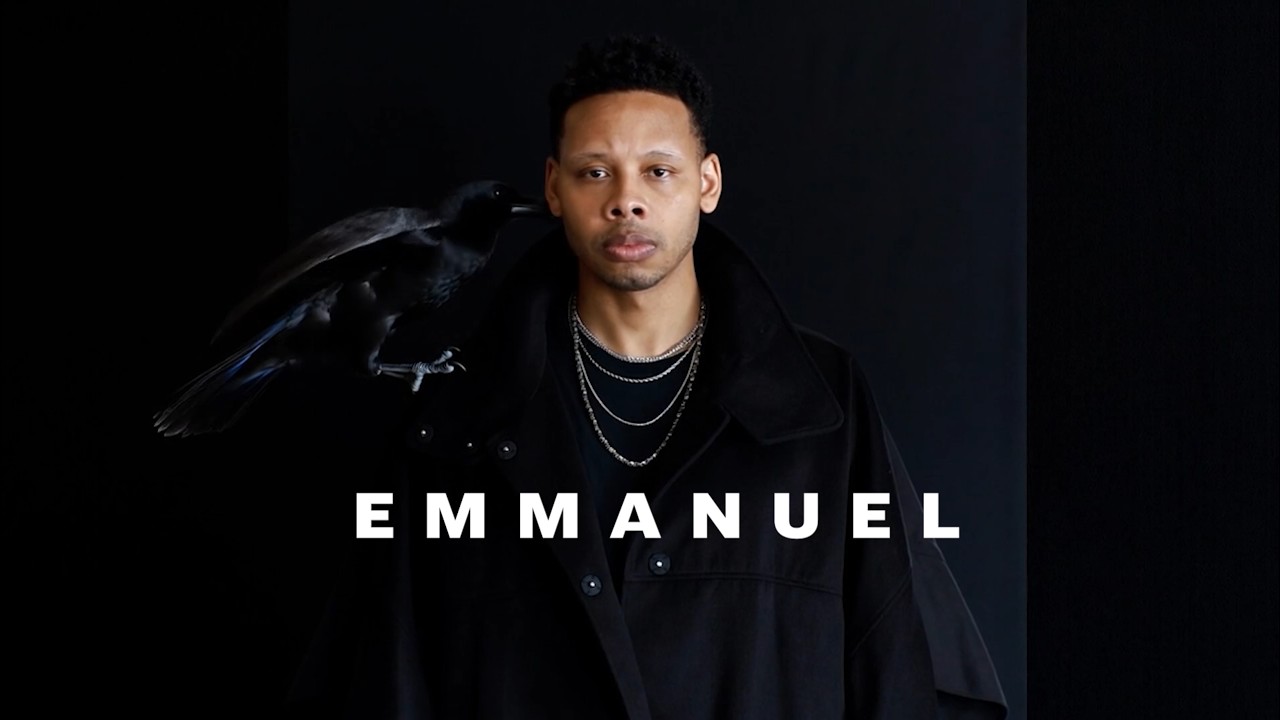
There’s a difference between artists who experiment with genres and artists who genuinely don’t belong to one. EMMANUEL falls into the second category. On Say My Name, EMMANUEL doesn’t sound interested in fitting into playlists, algorithms, or whatever label the industry wants to stamp onto him next. Rock crashes into R&B, rap bleeds into emotional confessionals, and cinematic storytelling ties everything together into something that feels intentionally unpredictable. Not chaotic, it's human, and that’s the entire point of the album. At its core, Say My Name is about rejecting the pressure to become a replica. EMMANUEL frames the project as an introduction to an “original,” arguing that artists are at their best when they stop shaping themselves around audience expectations and industry formulas. It’s a bold stance in an era where so much music feels optimized for trends before emotion. Instead of chasing familiarity, Say My Name leans into discomfort, vulnerability, and individuality. One of the project’s most emotionally gripping moments arrives through “I Spoke to God,” a haunting and deeply personal track inspired by what EMMANUEL describes as a terrifying dream and terrifying night that stayed with him long after waking up. The song feels heavy in a way that’s difficult to fake. Rather than over-explaining the experience, he translates its emotional residue directly into the music. The result is unsettling, spiritual, and strangely intimate all at once. What makes the album work isn’t just its ambition. It’s the conviction behind it. EMMANUEL approaches songwriting like someone documenting lived experience instead of manufacturing content. Across Say My Name, themes of love, depression, betrayal, social pressure, escapism, self-worth, and survival constantly collide. Some tracks feel built for dark late-night drives, others feel ready for crowded rooms and flashing lights. That emotional duality becomes one of the album’s biggest strengths. Sometimes you want to dance. Sometimes you want to fall apart. EMMANUEL understands both impulses equally. There’s also something refreshing about how unapologetic the project feels. EMMANUEL isn’t asking listeners for permission to exist creatively. He’s simply presenting himself as he is, flaws, contradictions, emotions, and all. Whether listeners fully understand every sonic turn almost feels irrelevant. The album isn’t trying to recreate a feeling you’ve already had before. It’s trying to introduce a new one. Outside the music itself, the visual world surrounding Say My Name deserves attention, too. EMMANUEL personally directed his own music videos, and that same artistic intensity carries into the visuals. The videos don’t feel like afterthoughts or marketing tools. They feel like extensions of the album’s emotional architecture, cinematic, polished, and deeply intentional. At a time when originality gets talked about more than it actually gets practiced, Say My Name feels like an artist planting a flag in the ground and saying exactly who he is without compromise. And honestly, that’s becoming super rare. You describe Say My Name as an introduction to an “original.” Was there a specific moment in your life where you realized chasing industry expectations would kill your creativity instead of grow it? It wasn’t one moment, but many. Over the past two years, I’ve scrolled on my phone and seen great artists refuse to introduce anything new to the world. I’d question, is everyone really just like everyone else? Were they afraid to be themselves? And in a parallel thought, I’d think of the one-of-one artists that stood the test of time and how different they are from the rest. “I Spoke to God” came from a terrifying dream and experience. After turning something that personal into music, did creating the song give you peace, or did it force you to relive the fear even deeper? I wouldn’t say manifesting the song gave me peace, but it gave me clarity. Accepting the clarity gave me peace. When I hear the song come on, it does take me back to the dream, though, and from time to time, the hairs on the back of my neck stand up. A lot of artists today get rewarded for sounding familiar because it’s safer commercially. Do you think being truly original in music now comes with a punishment attached to it? A welcome punishment. Sometimes the cool kids get sent to detention. Across Say My Name, you move between rock, R&B, rap, vulnerability, rage, partying, spirituality, and depression without trying to smooth the edges. Was blending all those emotions intentional to reflect real life more honestly? The mixture of genres wasn’t intentional, but the neglect of choosing one genre definitely was. If one feeling was connected to rock, I just let the feeling and the music unite. Another emotion was connected to R&B, and I allowed them to unite, and so on. When all the music was complete, I sat back and said, “It may not be industry standard, but it’s me.” I didn’t want to play a made-up character in the music industry. You can get away with that in the movie business because everyone understands characters, but in this industry, fans really only want authenticity. Plus, trying to keep up a mask only lasts so long before it collapses. You directed your own music videos, and they feel extremely cinematic and thought-out. When you’re building visuals for your music, do you see yourself more as a musician, a filmmaker, or something that exists completely outside both worlds? I don’t see a difference between my music-making and my video creation. I am an artist, and they are both gifts within my artistry. Like a drummer who can play bass, often when I hear a song, I see the music video simultaneously. The fact that I can bring both to life, I admit, I know is special.
- 7 Metrix Turns Chicago Into Living Memory on 'I Heard The City Breathe'
A lot of albums claim to represent their city. Very few actually sound like they were shaped by it. On I Heard The City Breathe, Chicago artist, producer, educator, and creative strategist 7 Metrix builds something far deeper than a tribute project. This is an album rooted in memory, grief, survival, mentorship, and cultural preservation, one that treats Chicago not as a backdrop but as a living presence breathing through every song. The project moves with the emotional rhythm of the South Side itself. There are moments of joy, exhaustion, tension, reflection, and hope constantly colliding throughout the album, giving it the feeling of a living archive rather than a traditional release. Spoken word narration ties the project together, creating transitions that feel cinematic without losing emotional intimacy. Instead of chasing viral moments or surface-level storytelling, 7 Metrix focuses on emotional honesty and lived experience. Tracks like “City” and “Colors” carry some of the album’s heaviest emotional weight. The writing throughout the project is deeply human, exploring trauma, fractured identity, violence, fatherhood, addiction, and survival through a lens that feels personal instead of performative. On “Colors,” reflections on grief, systemic violence, and emotional numbness land with painful clarity, while “City” captures the psychological exhaustion of growing up surrounded by instability and loss. The production across both tracks feels immersive without overwhelming the message, allowing the writing and performances to stay front and center. At the same time, I Heard The City Breathe never becomes emotionally one-dimensional. Songs like “Dreams,” “Shining,” and “As I Write” introduce moments of hope, faith, ambition, and generational healing, balancing the heavier themes with humanity and resilience. The album understands that documenting Black life honestly also means documenting joy, aspiration, humor, family, and growth alongside pain. What makes the project especially meaningful is the collaborative structure behind it. Created as part of a larger multimedia initiative that includes a short film and gallery exhibition, the album also features contributions from ISPro Academy students alongside established Chicago musicians, producers, and engineers. That intergenerational collaboration gives the project an added sense of purpose beyond music itself. It feels community-built in the truest sense. At its core, I Heard The City Breathe feels less interested in entertainment than preservation. 7 Metrix documents Chicago with empathy, emotional depth, and cultural care, capturing stories too often reduced to headlines or stereotypes. The result is a project that feels deeply rooted, emotionally mature, and culturally necessary. I Heard The City Breathe feels less like a traditional album and more like a cultural archive. At what point did you realize this project needed to become bigger than just music? I realized it needed to become bigger than music when the stories started to feel like they were carrying more weight than just songs. As the project developed, I started thinking about the people, places, memories, and emotions connected to Chicago that often don’t get told with care. It became less about creating an album and more about preserving a feeling — the breath of the city, the voices of the people, and the lived experiences that shape us. Once ISPro Academy students became part of the process, the project expanded even more. It became a way to teach, mentor, and create a real-life example of how music can document culture, history, and community. I wanted to give black Chicago a voice to see and speak to itself. At that point, I knew I Heard The City Breathe was not just a release. It was a tapestry of testimonies born from a love for Chicago. A major theme throughout the album is documenting Black life in Chicago with humanity instead of stereotypes. Was there a specific misconception about the South Side that you felt driven to challenge through this project? One misconception I wanted to challenge is that the South Side is only defined by violence, struggle, or trauma. Those things exist, but they are not the full story. There is so much love, creativity, intelligence, resilience, family, faith, and beauty that comes from the South Side. I wanted the project to show Black life in Chicago with depth and humanity. For me, it was important to create something that didn’t ignore pain but also didn’t reduce us to it. The South Side has produced artists, thinkers, leaders, entrepreneurs, teachers, musicians, and visionaries. I did not want to create a project that attached to the listener as an audible trauma bond. I wanted us as humans to shine in the multiple shades of our existence. I Heard The City Breathe is my way of saying that our stories deserve to be told with honesty, complexity, and dignity. The project balances grief, survival, fatherhood, faith, and hope without feeling emotionally fragmented. How did your own personal experiences shape the emotional direction of the album? A lot of the emotional direction came from my own process of reflection. I was thinking about loss, growth, responsibility, fatherhood, and what it means to keep going when life forces you to evolve. This project gave me space to be honest about the emotional weight I had been carrying while also finding beauty in it. Fatherhood, especially, shaped the way I approached the album. I lost my father when I was two, so growing up, I never knew what it was like to have that fatherly presence. Through the work of my mother, I began to work and have a passion for youth, just like my mom and dad did. In this process, I became a mentor and father( in some ways) to a lot of young adults. Oftentimes, I had to deal with the emotions of giving the youth a version of love that I never saw. It made me think about legacy, what we pass down, and what stories our children inherit from us. Faith and hope became important because I didn’t want the project to sit only in grief. My faith in Christ has always been my backbone. It has been the one constant thing that has allowed me to embrace these different facets of human existence. My faith has also pushed me to believe in the love and beautiful bonds that surround us every day. I also felt a responsibility to my students, Blessing, Christian, Carson, and Skyler, not to pass on grief/struggle. I wanted it to move through grief into healing, purpose, and renewal. That balance reflects real life to me — we are often praying, worshipping, surviving, grieving, loving, creating, and hoping all at the same time. You involved students from ISPro Academy directly in the creative process. What did collaborating across generations teach you about mentorship, storytelling, and the future of Chicago’s creative culture? Working with the students reminded me that mentorship is not just about teaching technical skills. It is also about creating access, building confidence, and giving young people the chance to see themselves as human beings worthy to be heard. They are creatives, professionals, musicians, storytellers, etc. The students brought fresh energy, ideas, and perspective into the project, and that made the work stronger. Collaborating across generations showed me that Chicago’s creative future is already here. Young artists just need the resources, spaces, and guidance to develop. It also reinforced that we need them as much as they need us. We as a people are whole when our relationships across the ages are whole. We don’t always have to agree with each other, but we should be able to find home within each other's presence. Through ISPro Academy, we were able to give students real experience in music production, recording, collaboration, and creative decision-making. Through the contacts of Unchained Genius, we were able to produce the project all over the city, from 2112 Chicago, to Industrious at the Willis Tower, the Chicago Hip Hop Heritage Museum, and Creation Sound Studios. It taught me that when we invite young people into meaningful work, they don’t just learn from us — they also help us see the future more clearly.